Ryuichi Sakamoto: A Visit to His Private Library
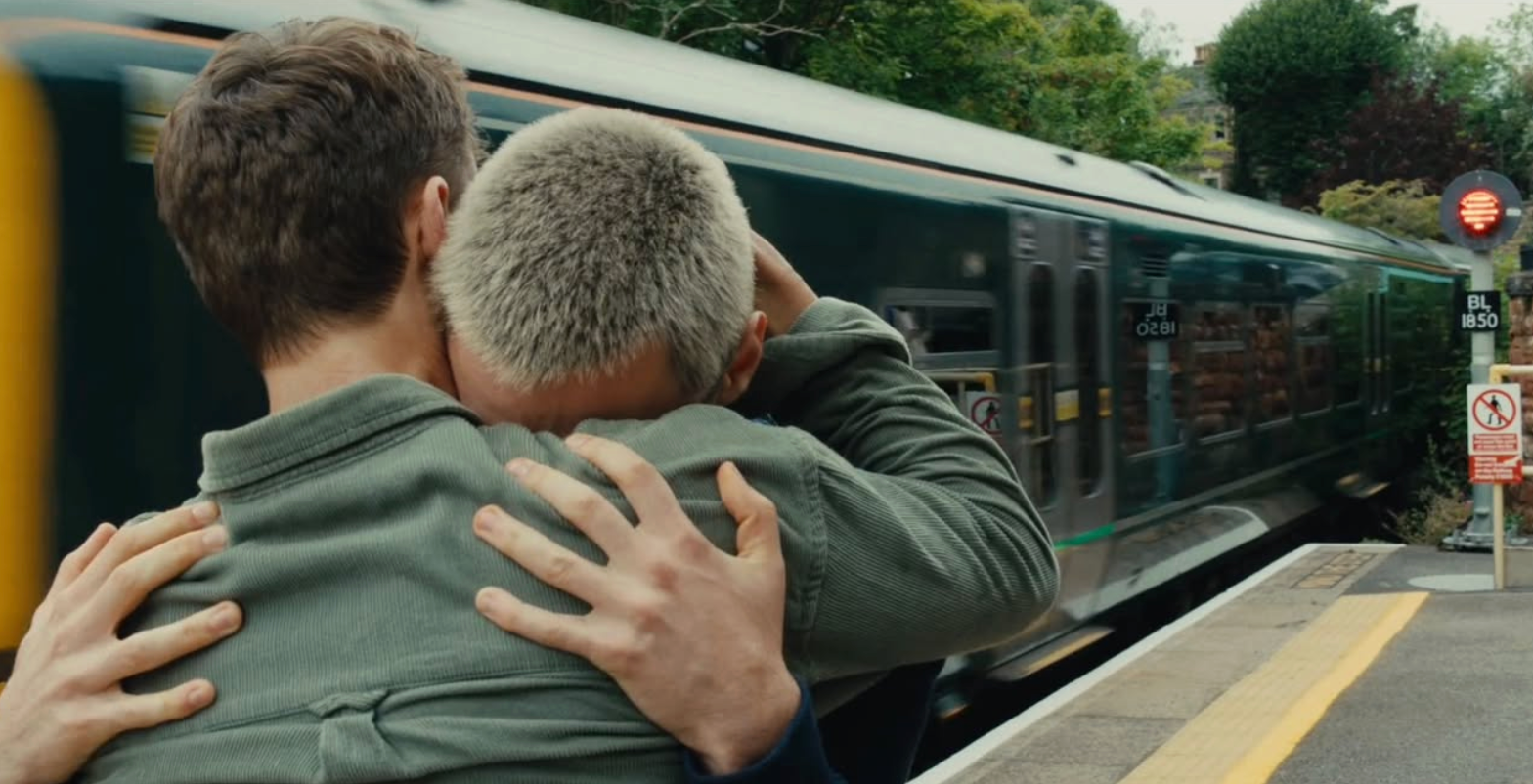
My first introduction to Ryuichi Sakamoto was through Nagisa Ōshima’s Merry Christmas, Mr. Lawrence (1983), which he scored. This film felt, and still feels, quite unique in its own right. It was made in a decade of Japanese cinema where we might first think of animated films such as Hayao Miyazaki’s Nausicaä of the Valley of the Wind (1984) or Katsuhiro Otomo’s visionary Akira (1988). When one first listens to the title track (Merry Christmas, Mr. Lawrence), especially the Opus (2023) version, they might even be reminded of Ghibli Studio mainstay Joe Hisashi’s compositions. Another unique element was the director, Nagisa Ōshima, a key figure of the Japanese New Wave movement. Many of his contemporaries faded into obscurity by the time the 80s hit¹, but by seeking overseas funding he managed to direct this significant late-career work. While not as raw or experimental as his earlier works, I think Merry Christmas, Mr. Lawrence still has a fascinating story that is shot with a cast of the likes we would never see again. This is where I pivot back to Sakamoto because not only did he score the film, he acted in an important role in the film! And so did David Bowie!! Two legends of the music world formed both poles of the complex homoerotic relationship at the core of this film.
Fig. 1 Ryuichi Sakamoto as Captain Yonoi, the commander of the POW camp, and David Bowie as Group Captain Hicksley, one of the prisoners. (Source:
RogerEbert.com)
After this point, I began to watch more of the films he has scored, even watching two documentaries on him. From one of them, Ryuichi Sakamoto: CODA (2017), I also came to know that he was previously in a band known as the Yellow Magic Orchestra that was one of the pioneers of electronic music. However, upon visiting his private library Sakamoto Tosho (Tosho meaning book) in Tokyo, I realised that I was only scratching the surface of understanding him in his totality as an artistic figure.
Other than a basic guide on how to visit the library, in English there is practically no other information on it.² I think this creates a gap in understanding for English-speaking fans of Ryuichi Sakamoto that I hope can be filled with this article.
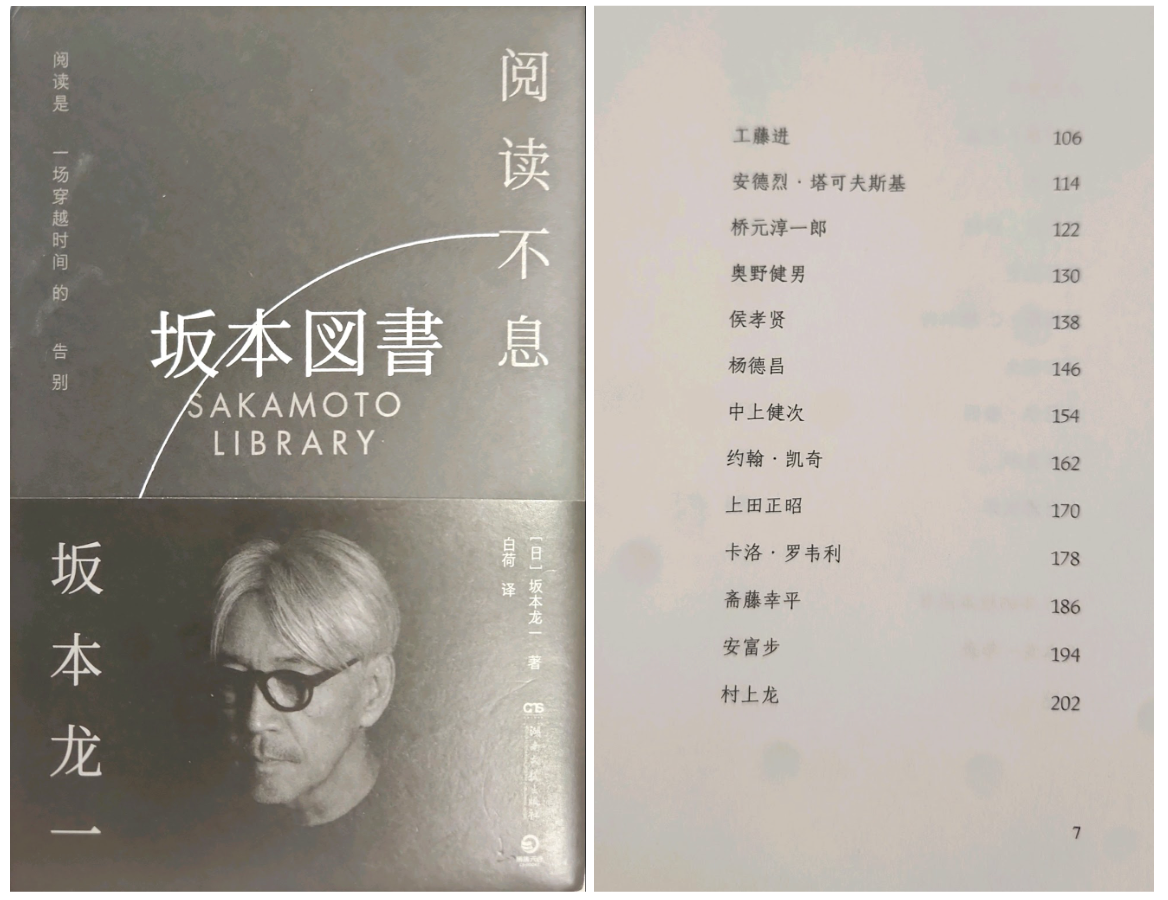
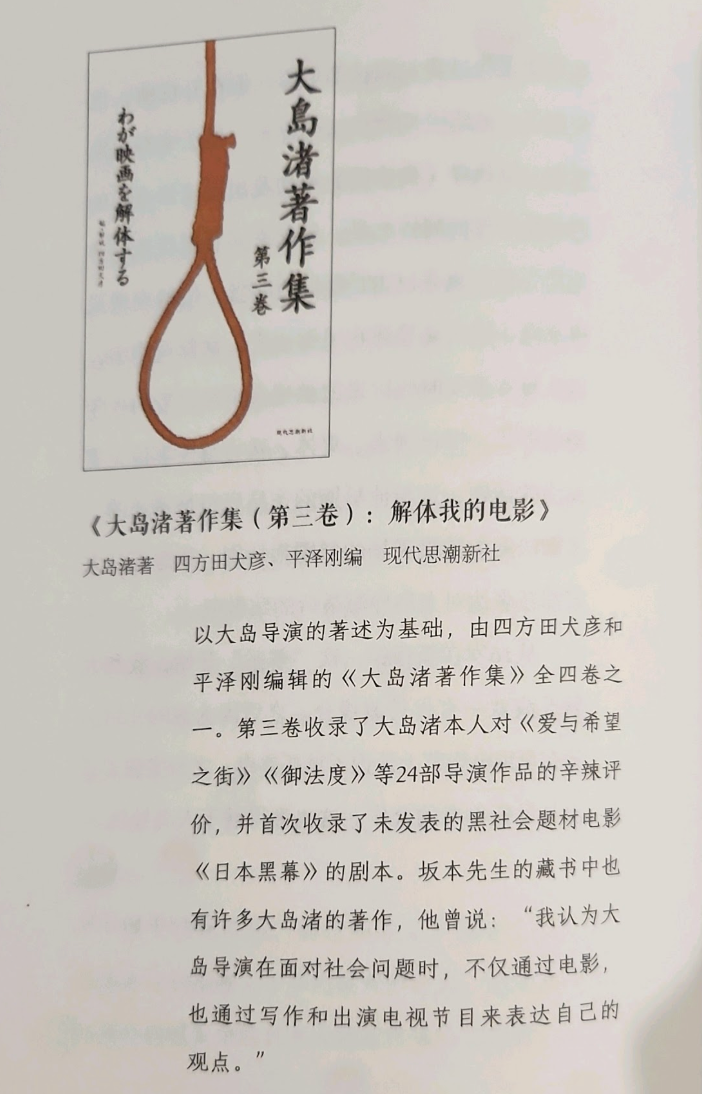
Fig. 2 and 3 The Simplified Chinese translation of Sakamoto Library and its contents page. Some of the names listed are director Andrei Tarkovsky, writer Kenji Nakagami, composer John Cage, and the politician Carlo Rosselli (Source: Author).
The Sakamoto Tosho holds 30% of Ryuichi Sakamoto’s former personal library, which alarmingly already amounts to several thousand tomes. For those worried a visit might be in vain if you cannot read Japanese and cannot take photographs either, fret not, for Sakamoto was fluent in English and there are plenty of English books there too to browse through. Actually, it is truly an eclectic selection of titles that boggles the mind. Just to name a few, there are Japanese translations of philosopher Merleau-Ponty’s Humanism and Terror (1947) or works from 2008 Nobel Prize in Literature laureate J. M. G. Le Clézio, many magazine issues from the Japanese classical music magazine Ongaku Geijutsu (1936-1998), and large-format art books in English on figures such as Jo Nagasaka, Lee Ufan or Henri Cartier-Bresson.
This is the library fanatic speaking, though, and in all fairness you could argue that you can just browse these same books at any library. Thankfully, if you want to see something more personal, they have a copy of
Opus - objects
(2024), which contains facsimiles of the music sheets for the eponymous concert film with Sakamoto’s own annotations, and also an incense titled
Yoka Sakamoto with ingredients specially chosen and blended by Sakamoto – yet another one of his numerous artistic sidelines. There is also a book listing his synthesizer settings, and if you look through certain English classics, you will see dog-eared pages and underlines, likely where Sakamoto was looking up words in the dictionary.
Even looking closely at the mini-shop would extend your understanding of Sakamoto’s career and work. There are 18 thin volumes of a series known as
schola, which were conversations between Sakamoto and other music experts that occurred weekly on NHK TV sporadically between 2010 and 2014. Here you can really see why he was nicknamed
kyouju or professor locally. Aimed at encouraging young students to pursue a career in music, the conversations cover practically everything under the Sun, from rock ’n’ roll, to Haydn and the sonata, to an exploration of contemporary classical music from Satie to Cage.” While there is no full catalogue of what exactly the Sakamoto Tosho contains, the library sells a book, also titled
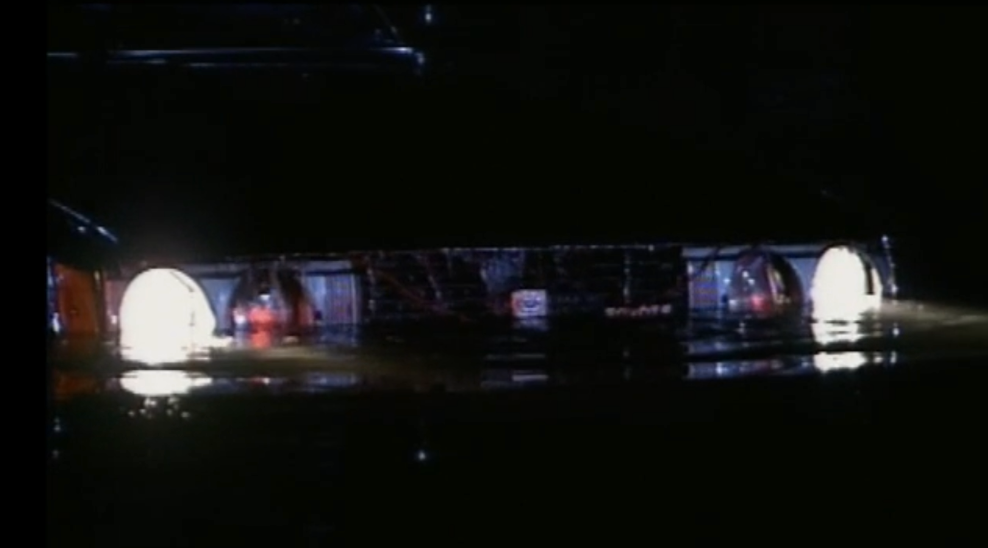
Sakamoto Tosho, that partly fulfils this purpose (see Fig. 2, 3, 4). Sakamoto began writing this book in his final years, collating a list of all the people that he has been most influenced by and writing a short assessment of each of them. Appended to the back of each blurb is a posthumous introduction to one of their books and how it relates to the library.
Ryuichi Sakamoto always wanted to share his books and his reflections on them with a wider audience. With his passing, Sakamoto Tosho (both the physical space and the similarly titled book) fully succeeds in carrying out this mission.


Fig. 4 Posthumous commentary on the third volume of the Collected Works of Nagisa Ōshima (Source: Author)
¹ Other notable late-career works are Shōhei Imamura’s
The Ballad of Narayama (1983) and Shūji Terayama’s
Farewell Ark (1984). The former actually was surprisingly actually more commercially successful than
Merry Christmas, Mr. Lawrence
domestically but I think more people remember Ōshima’s work today.
² There is thankfully a detailed guide on the more technical aspects of how to visit this space here
https://www.tokyoweekender.com/things-to-do-in-tokyo/how-to-visit-ryuichi-sakamotos-secret-tokyo-library/
hence I won’t be going into so much detail on this angle.
About the author: Chengsheng is always looking forward to making new friends and can be found on both Letterboxd and Instagram as @arcyeus.