The heroic bloodshed subgenre of
wuxia
films can be compared to contemporary action films such as
The Raid (2011) or
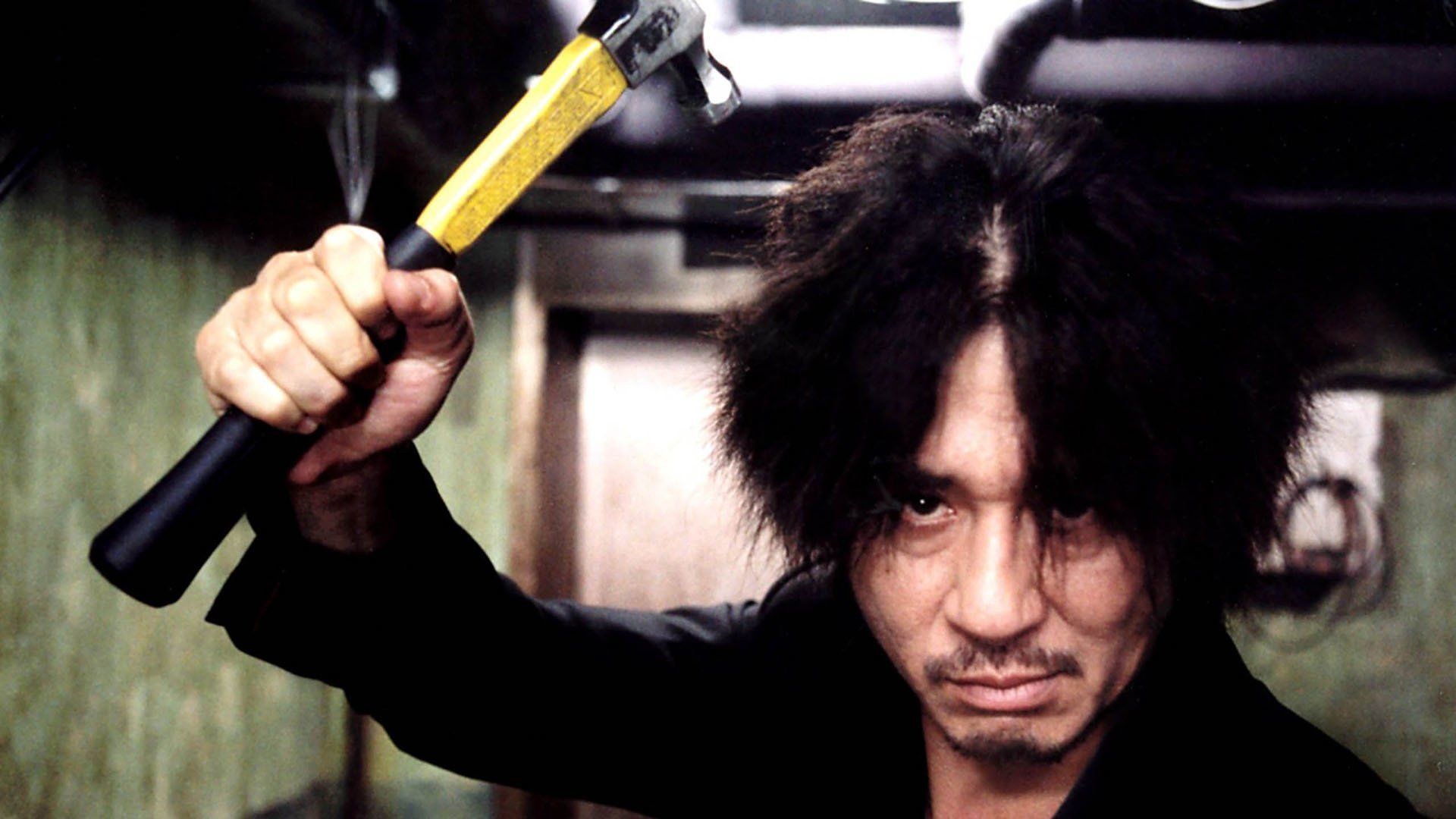
Oldboy (2003), stylized onscreen hyper-violence with atypical heroes serving as the film’s protagonists. Tsui Hark’s
The Blade
takes a leaf out of Chang Cheh’s original
The One-Armed Swordsman
by the Shaw Brothers, but true to his style, fashions the lead into a warrior out for blood, driven by his desire for revenge, thus pushing himself to surpass his own physical limits.
The film is partially narrated from Siu Ling’s perspective, the daughter of the foundry’s master, where both Ding On and Tit Tau (literally Iron Head) work. She pines for both Ding On and Tit Tau, played by Vincent Zhao and Moses Chan respectively, and in her naivete view them both as chivalrous. Ding On is more calm-and-collected, while Tit Tau is a hothead. When Ding On learns of the truth behind his father’s death, it sparks an inner rage within him, and he goes in search of revenge.
Ding On is presented as the hero archetype. Steadfast in his values, sacrificial in nature, and possessing humility. His desire for revenge, however, seems to grant him this devilish aura. Tsui Hark and his flair for theatrics bathe Ding On in a reddish glow as lightning strikes. We see the person who was a mere blacksmith consumed by rage.
Tit Tau, on the other hand, appears to be a gallant saviour at first, but his ego gets the better of him, and he begins to turn on his own ideals. When Ding On is chosen as the successor over him, he begins to breed a resentment. Later, after he rescues a prostitute from the clutches of bandits, he ends up trying to take advantage of her. I think that Tsui Hark’s cynicism shows through his treatment of Tit Tau’s character - that men are innately savages.
At Ding On’s lowest, almost meaningless point in his life, he is ready to lay down his blade. As a blacksmith, his ability to work is gone. As a son on a quest for revenge, his ability to fulfil it is lost. Any ideas of justice are torn apart. It is in this destruction of his once heroic character that a new form is able to appear. Out of the literal ashes of a fire, half of a swordfighting manual is discovered. It’s a nod to
The One-Armed Swordsman, also the essential turning point in many a
wuxia
story, where a
deus ex machina appears.
His efforts to learn how to wield the blade single-handedly prove futile initially through conventional methods - it is only when he spins around in a frenzy out of exasperation that he comes to harness his new nature. Like a controlled tempest, Ding On is seen somersaulting and spinning around his enemies, while his blade is the last thing they see. Even with skilled action choreographers, Tsui Hark has his particular way of capturing action, opting for a flurry of close-ups instead of wide shots. The action turns into a speedy blur, but you can still see and feel the madness it is trying to channel.
At the beginning of the film, there’s a scene of a dog being lured into a trap. It’s trying to find food to survive, but so are the bandits who are looking for a meal. In Tsui Hark’s eyes, it’s a dog-eat-dog world, and everyone is guarding their own interests. Doing good deeds might not necessarily reap you good karma; in fact, just the opposite might happen. While monks are beaten to death and women are enslaved by savages, Ding On appears as one of the few people who refuses to let his morals be corrupted. In the end, though, his appearance as the hero is also motivated by his desire for revenge. One is left to wonder if Tsui Hark really believes in this heroic ideal at all, or if blood just begets more blood.