Film Review #199: Resurrection
Film Review #199 Film Critics Lab
Resurrection
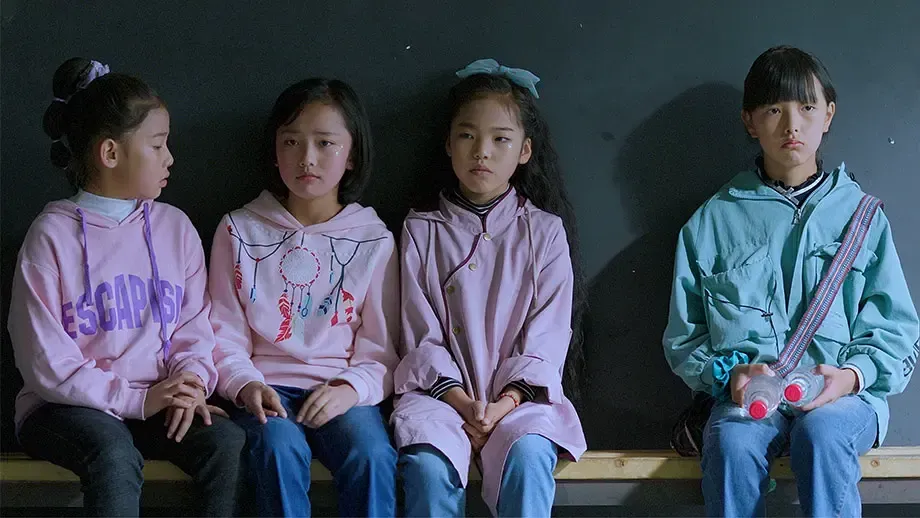
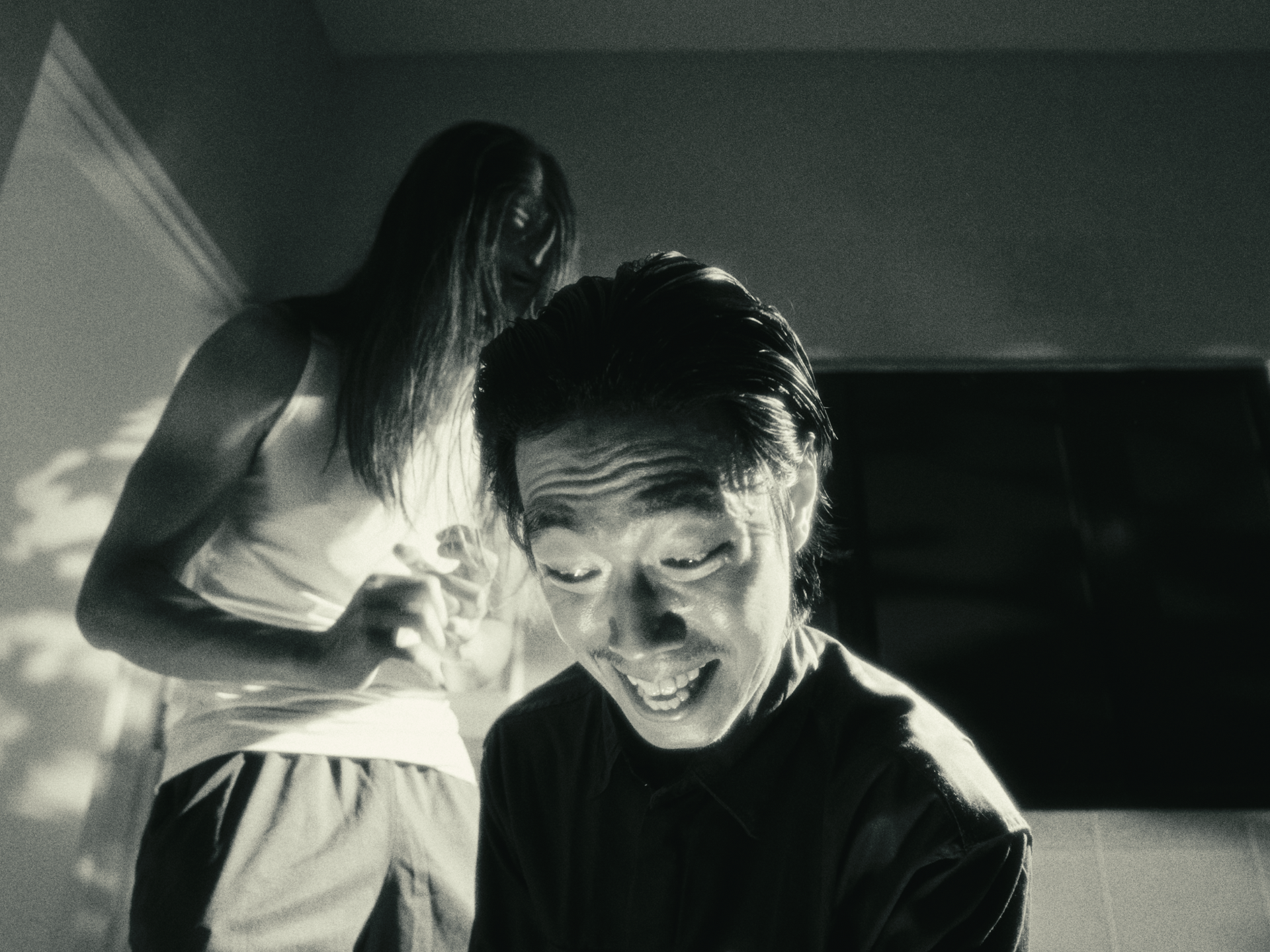
The act of watching Resurrection feels like drifting through a century of cinema while half- awake. From the very first frame, Director Bi Gan makes it clear that narrative clarity is not the point. Instead, the film invites the viewer into a space where images, textures, and movement take precedence over conventional storytelling.
The film imagines a world where humanity has traded away the ability to dream in exchange for longevity, leaving a rare few “Deliriants” to carry the burden of imagination. But Resurrection has little interest in explaining this mythology in concrete terms. Instead, the premise acts as a framework, giving Bi Gan the freedom to move across eras, genres, and visual styles. The film becomes a meditation on cinema itself; how it remembers, reinvents, and resurrects fragments of the past.
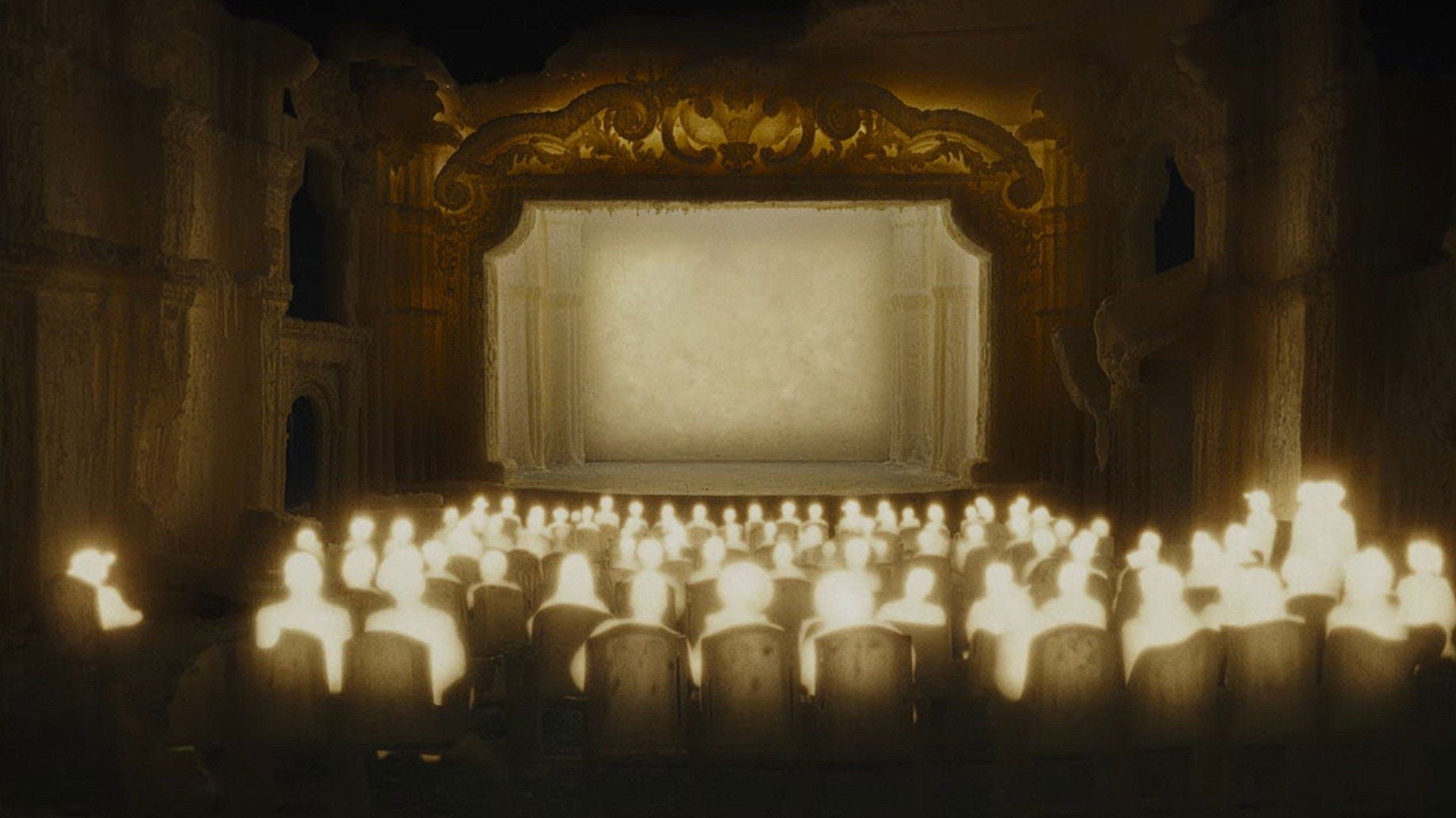
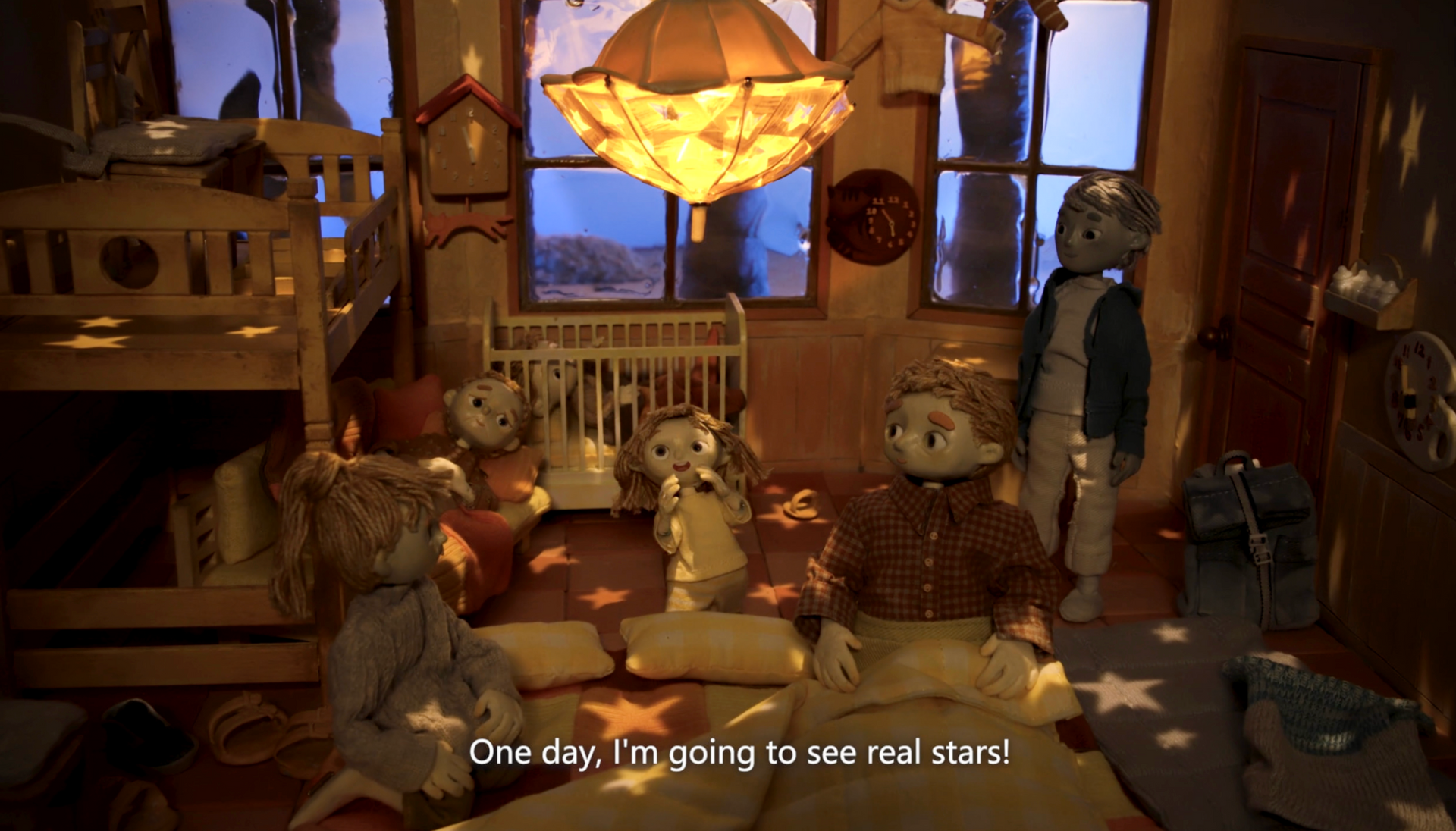
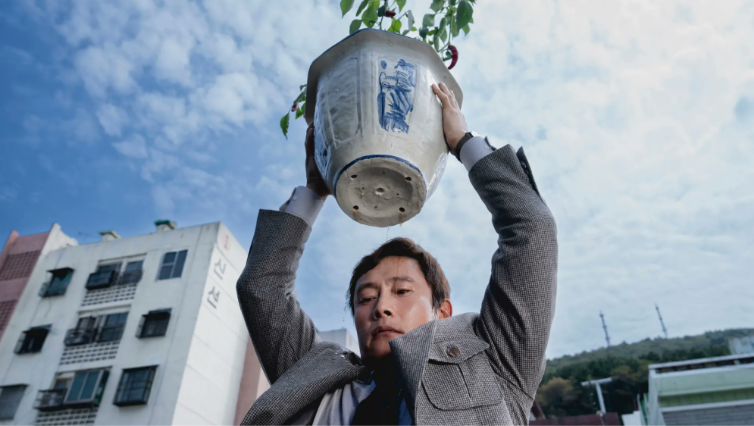
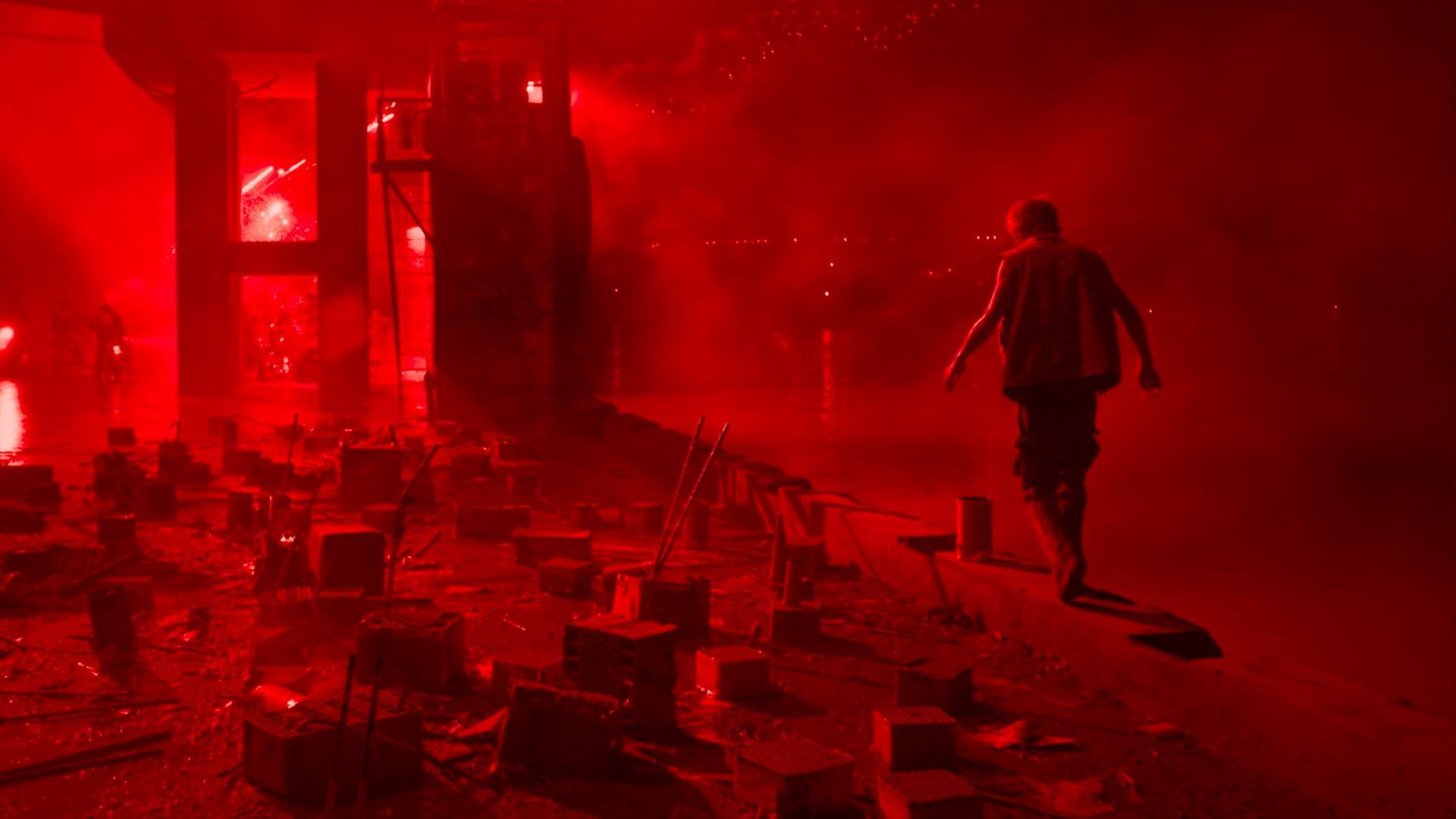
Form is where Resurrection truly comes alive. Bi Gan transitions confidently between contrasting cinematic textures, from silent-era aesthetics to noir-inflected shadows, from expressionistic fantasy to warm romanticism. Each segment feels governed by a different cinematic grammar, yet the progression between them is fluid. These shifts frame cinema as a living thing, constantly changing, borrowing, and reshaping what came before. The result is a film that feels both deeply nostalgic yet strangely forward-looking, aware of its past but unwilling to be confined by it.
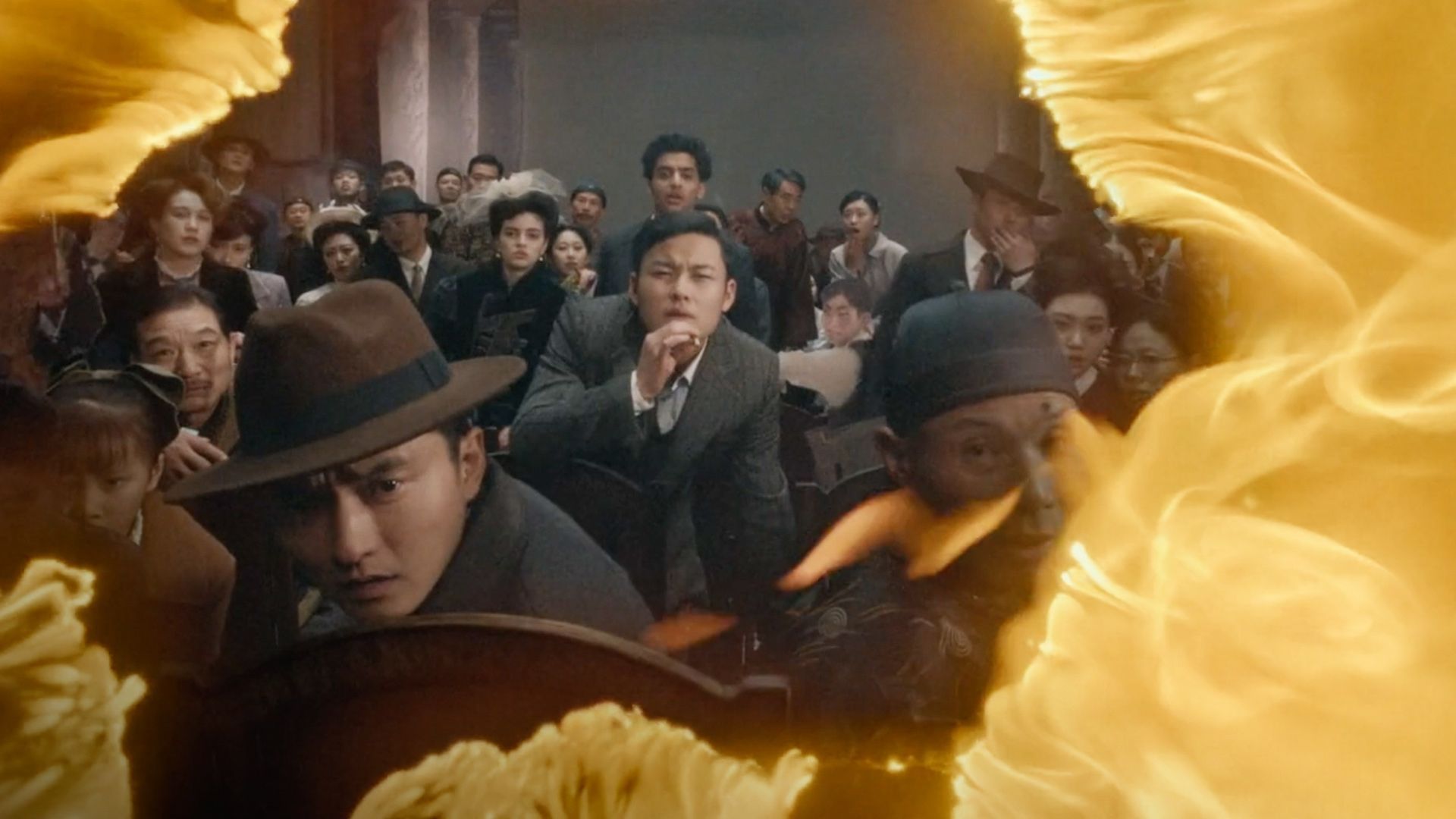
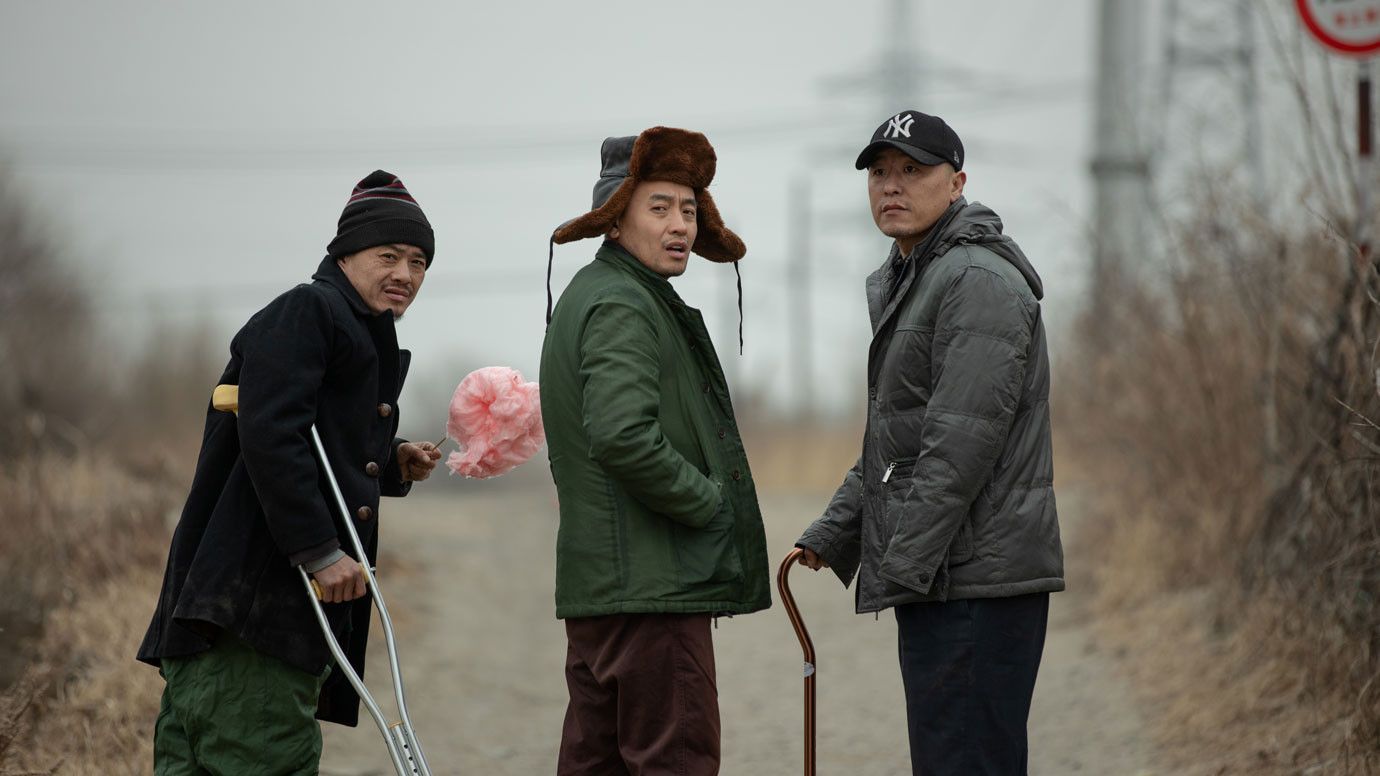
This devotion to form reaches its apex in the now much-discussed long take towards the film’s denouement, forming a sequence that feels like a culmination of Resurrection’s ideas about immersion and movement. The camera glides effortlessly between perspectives, collapsing boundaries between observer and participant, third-person and first-person, performance and presence. It is playful, daring, and quietly euphoric. The sequence’s shift from the characters breaking into a karaoke performance to violence, shows its absurdity and joy in equal measure and only reinforces the film’s belief that spectacle and sincerity need not be opposites.
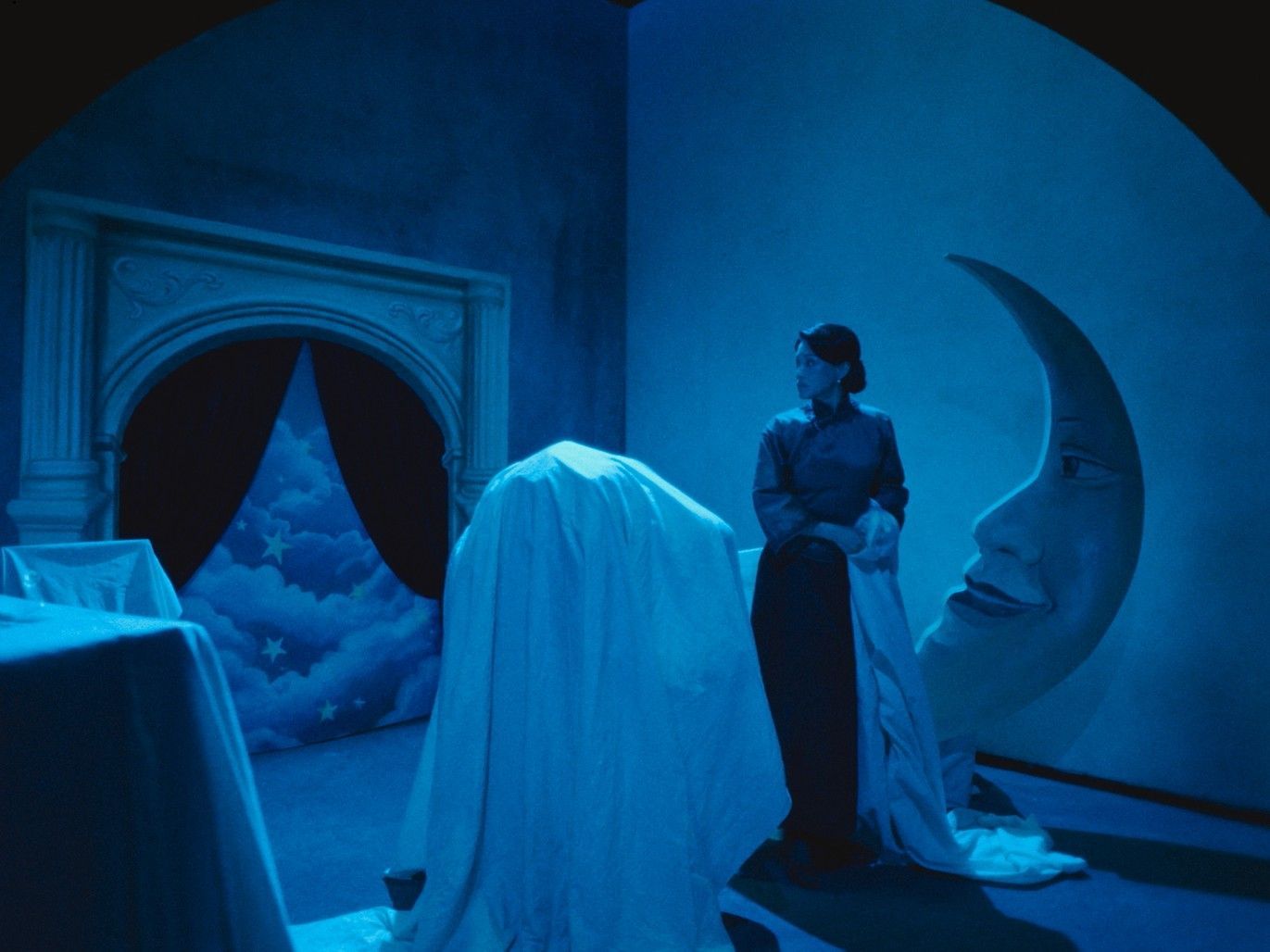
That said, Resurrection can be a demanding watch. Its opacity is deliberate, and this can be alienating to mainstream audiences. Scenes often do not contain a satisfying resolution, and emotional through-lines dissolve just as they begin to cohere. For some viewers, this dream logic will feel liberating, yet for many, it may be exhausting. The film moves slowly, luxuriating in atmosphere and texture, demanding patience and active engagement. It’s easy to see why some critics have taken issue with its refusal to offer clear narrative payoff. Yet this resistance to easy comprehension feels central to Bi Gan’s project. Resurrection is not interested in guiding the viewer; it asks them to drift, to feel, to surrender. In an era where films are increasingly shaped around so-called “TikTok attention spans,” its commitment to ambiguity feels almost radical. Personally, I would rather watch a film that risks confusion than one that settles for familiarity.
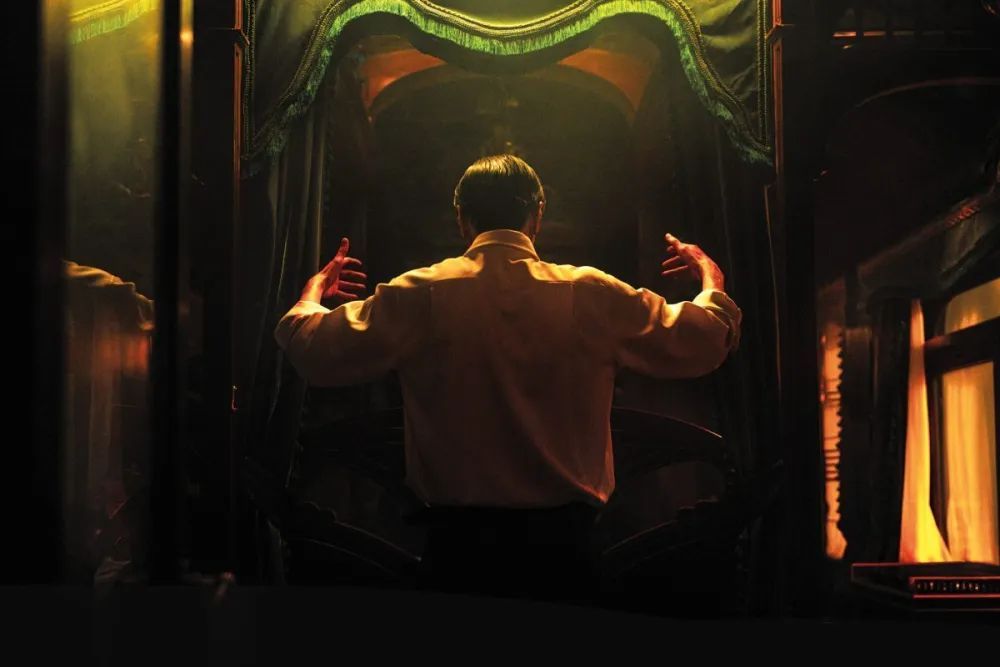
Resurrection will not be for everyone, but for those willing to meet it on its own terms, it offers something rare: a reminder that cinema can still surprise, still disorient, still feel entirely new. Whatever else it may be, I can confidently claim that I have never seen a film like it in my life.
---------------------
About the author: Chinmaya’s personality runs on cinema, from bingeing films to dissecting every frame. Posting reviews on Letterboxd and Instagram as TheFilmBoi, he’s happiest talking movies all day long. Engineer by trade, filmmaker by passion, he believes life’s better with a little Nolan mind-bend, and a story that keeps you guessing.
This review is published as part of *SCAPE’s Film Critics Lab: A Writing Mentorship Programme, with support from Singapore Film Society.
BLOG