Film Review: Beyond Reconciliation: Living On in Life of Luosang 藏地的生命诗篇:《洛桑的家事》

当矛盾已经生成,且看似无从化解,生活还要继续吗?伤痛并未消散,那些我们习惯依赖的判断方式,对与错、利与弊,在那样的处境之中,逐渐失去稳固。无论选择仇恨,还是选择原谅,都无法真正将伤口弥合。
由张国栋执导、芦苇编剧的电影《洛桑的家事》,让我陷入一个没有答案的问题之中。
影片的故事并不复杂,却始终没有将观众引向一个清晰的出口。它更像是将一段已经发生的现实轻轻摊开,让人看见它的重量与余波。事情已经发生,而人只能在这样的现实之中继续活着。高原的环境冷峻而直接,人也因此被放置在一种更接近本能的状态里。人与人之间的矛盾,没有被迅速裁断,也没有被情绪覆盖,而是在时间与日常之中,被慢慢带走,却从未真正消失。
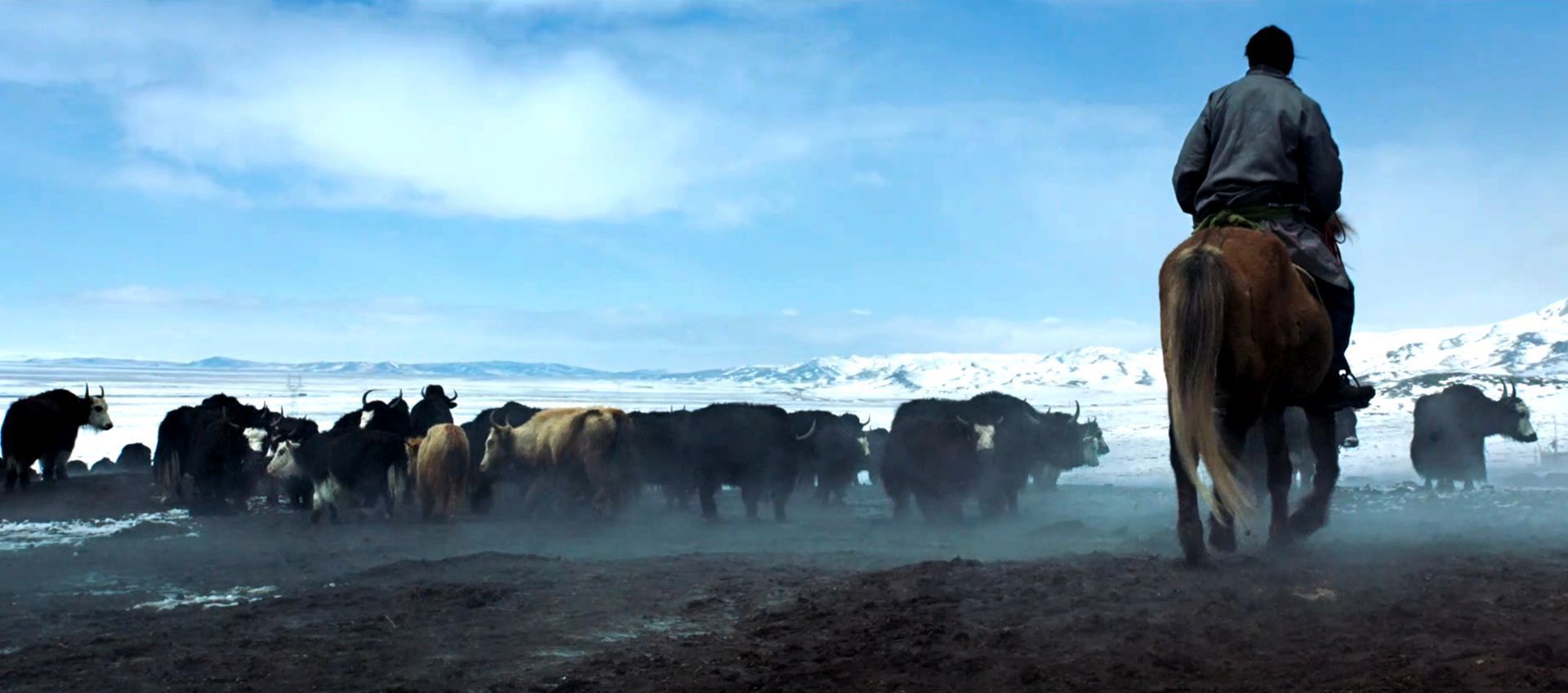
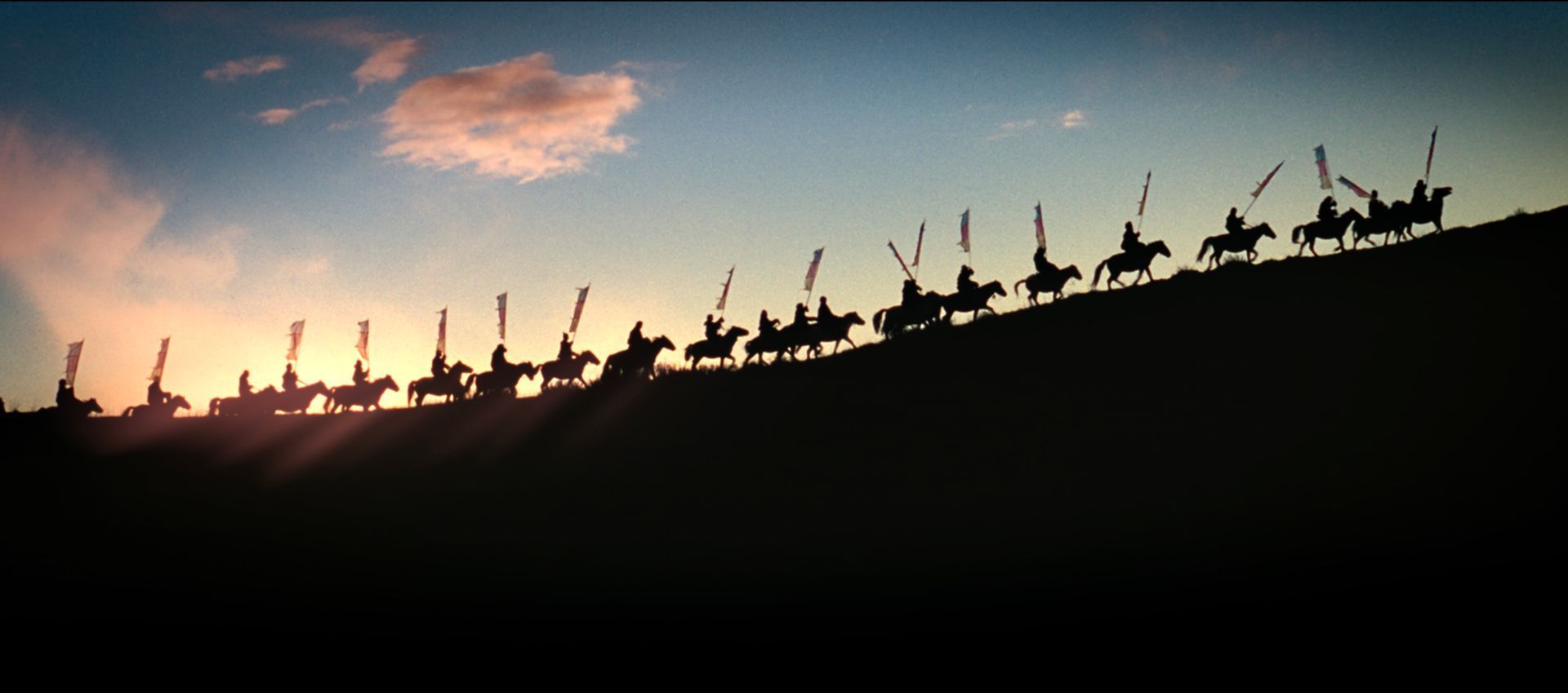
这种表达,与影片所依托的环境密不可分。镜头之中,是海拔五千米以上的高原,是近乎触手可及的天空,是辽阔而寂静的自然景观;而在这片广袤之中,又有随处可见的,极为朴素的日常——劳作、迁徙,生活本身。这种并置,使影像既有视觉上的震撼,也保留了贴近土地的温度。让人顿生向往之情。
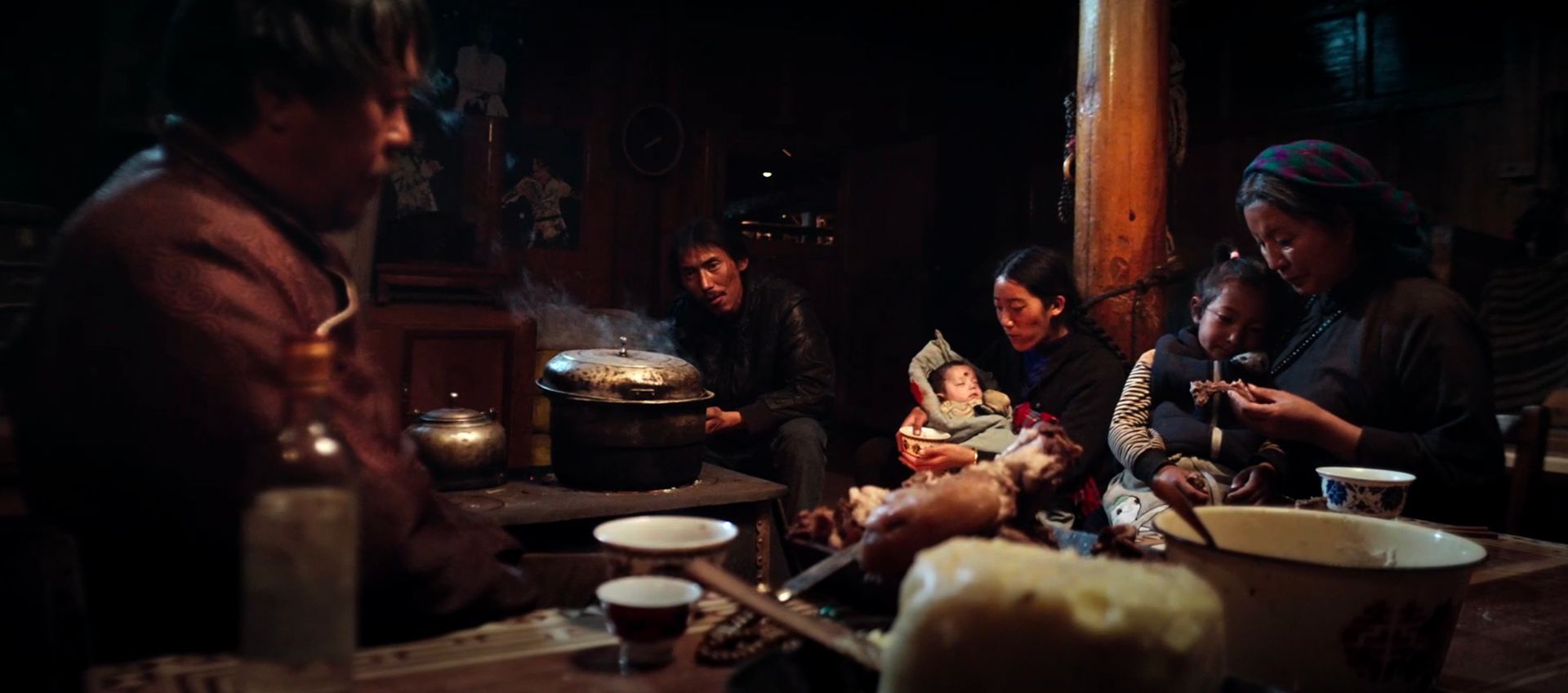
从创作的脉络来看,这样的表达也延续着编剧芦苇一贯的风格。从《霸王别姬》、《活着》到《图雅的婚事》,他始终在书写人如何在环境与命运之中被推动、被塑形。而在《洛桑的家事》中,这种书写被进一步收拢。宏大的时代背景被淡化,取而代之的,是更贴近身体与经验的部分:寒冷、劳作、怀孕、疼痛,是人如何在具体处境中做出回应。
这些经验无需解释,也难以被概括,它们直接构成了人物的选择方式。人在其中,并不是以“思考者”的姿态存在,而是以“承受者”与“行动者”的状态不断向前。
而在这些行动之中,是女性“坚强”的存在。她们不仅承受着生活的压力,在关键时刻,也主动做出决定,凭着果敢与坚韧,改变了局面的走向。
如果将这一点放在更大的语境之中来看,会显得尤为耐人寻味。在许多城市中,女性意识往往通过表达与讨论被不断强调,而在影片所呈现的少数民族地区,这种主体性并不依赖被说出。它生长于日常之中,体现在一次次具体的行动里。没有宣告,却清晰可见;没有标签,却真实有力。这种自然生成的力量,反而更加坚定。
从叙事层面看,影片中“野外生产、对抗狼群”的段落,无疑构成了情节上的高潮。那一刻所呈现出的野性与勇猛,让人直面人与自然之间最原始的关系。
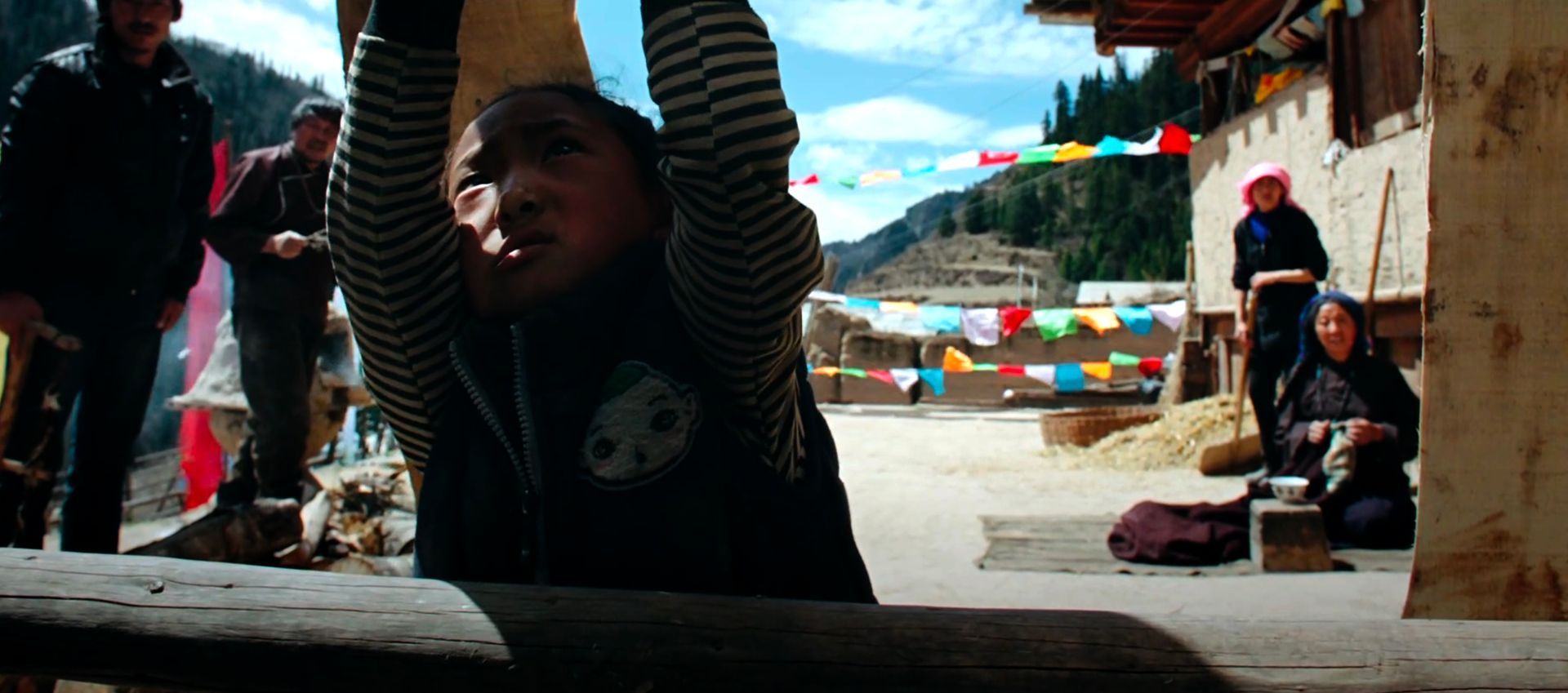
然而,影片真正的情感落点,却被悄然安放在结尾——小女孩向上攀爬的那一组镜头之中。那不是一个用来解释一切的结局,而是一种开放的停留。在缓慢而艰难的动作之中,观众看见的,不只是一个个体的努力,更是一种仍然向上的意志。这种处理,使影片从具体的事件中抽离出来,转向关于生命、责任与希望的更深层思考。它没有给出答案,却留下了一种持续回响的重量。
或许,这正是《洛桑的家事》最动人的地方。它不试图修复现实,也不急于抚平情绪,而是让人看见,在那些无法被解决的时刻,生活依然在继续。
When conflict arises and seems impossible to resolve, does life simply go on? The pain remains, while the frameworks we rely on—right and wrong, gain and loss—begin to lose their clarity. Whether one chooses hatred or forgiveness, neither feels sufficient to repair what has already been broken.
Director’s Zhang Guodong’s Life of Luosang, written by Lu Wei, lingers in exactly this unresolved space.
The narrative is simple, yet the film resists offering any clear conclusion. Instead, it places us within a reality that cannot be undone. What has happened cannot be reversed, and people must go on living within its consequences. On the Tibetan plateau, where the environment is unforgiving, life is stripped to something more immediate. Conflicts are neither settled nor resolved; they are carried forward, gradually absorbed into time and the routines of daily life.
This sensibility is inseparable from the film’s setting. At over 5,000 meters, the landscape is vast and austere, yet life within it remains grounded in ordinary rhythms—labor, movement, survival. The film does not frame this as spectacle, but as a lived condition. What draws us in is not just the scale of the landscape, but the sense of encountering a different way of being, one shaped by necessity rather than abstraction.
In this respect, the film feels consistent with Lu Wei’s earlier work. From Farewell My Concubine to To Live and Tuya’s Marriage, his writing has long explored how individuals are shaped by forces beyond their control. Here, however, the scope narrows. The larger historical backdrop recedes, giving way to something more immediate and physical—cold, labor, pregnancy, pain. These are not symbols, but lived realities. The characters are not reflecting on their fate; they are responding to it.

Within this framework, the presence of women becomes especially striking. To describe them as “strong” feels insufficient. What defines them is not endurance alone, but action. They work, care, and sustain life; at crucial moments, they make decisions that matter. They do not engage in debates over right and wrong, yet they carry what is most necessary. Without asserting a position, they quietly shape the course of events.
Seen more broadly, this carries a particular resonance. In many urban contexts, female consciousness is often articulated through language and visibility. Here, it takes a different form. It is not declared, but lived—embedded in action rather than expression. It does not need to be named to be fully present.
The film contains moments of intense physical tension, yet its emotional center arrives quietly, in its closing image: a young girl climbing upward, step by step.
It is not a resolution, but an opening. In that slow, deliberate movement, what emerges is not closure, but persistence. The film shifts from a specific story to something more reflective—about life, responsibility, and the quiet insistence of moving forward.
There are no answers here, only a lingering weight. And perhaps that is where the film finds its strength. It does not attempt to repair what cannot be repaired, nor soften what has already happened. It simply shows that even without resolution, life goes on.