Poor Taxi (辽河的士) , directed by independent filmmaker Zhuo Kailuo and executive produced by Geng Jun (Bel Ami) , is a Chinese tragicomedy that premiered at the Taipei Golden Horse Film Festival and later earned nominations for Best Original Screenplay and Best Original Film Song at the Golden Horse Awards.
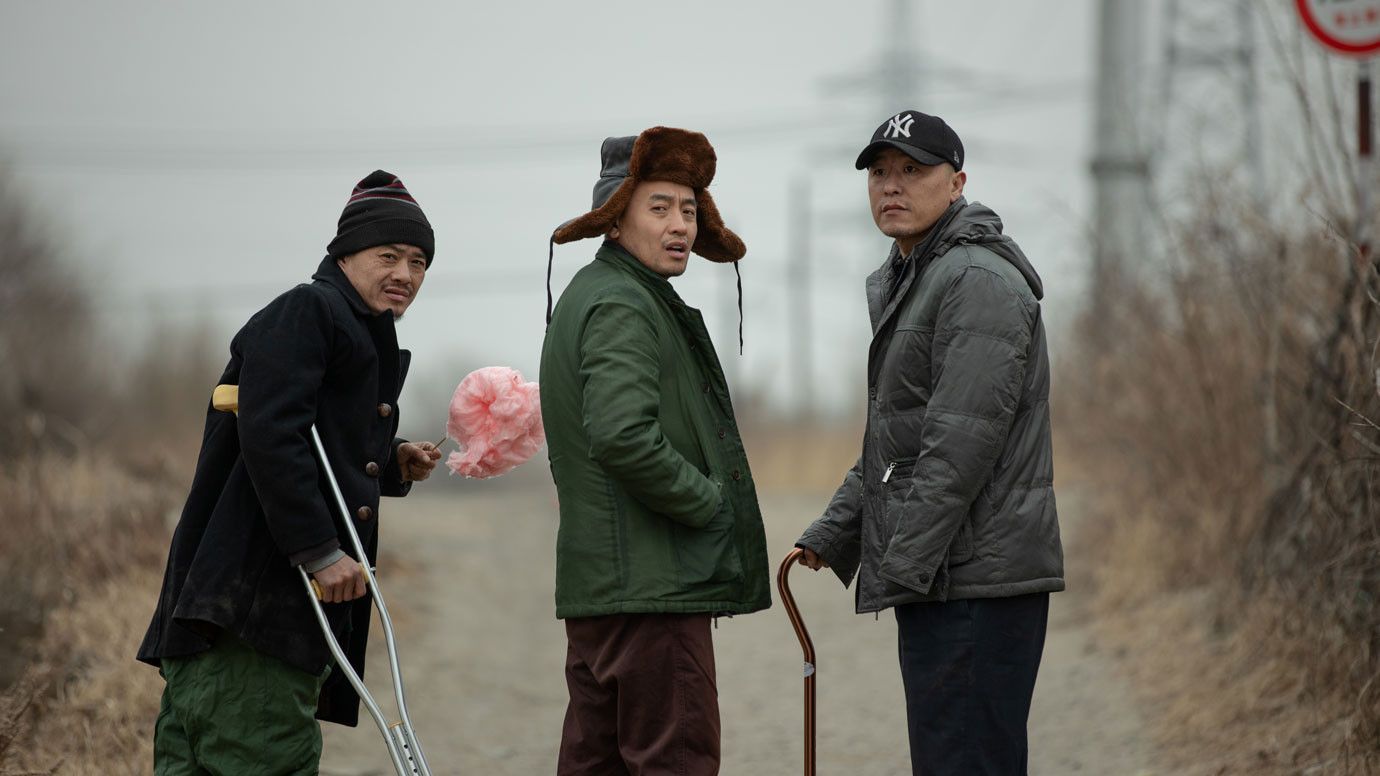
The film centres on Tie Jun, an unlicensed tricycle driver scraping by on the margins. When he injures a pedestrian, Hai Cheng, in a road accident, he is drawn into an escalating compensation dispute. Tie Jun enlists the reluctant assistance of his neighbour, Qianjin, and together the three idiosyncratic, middle-aged men attempt to navigate their uneasy predicament.
Plot takes a backseat in Poor Taxi; rather, it unfolds as a loose yet incisive social commentary. It paints a bleak portrait of a modern world governed by transactional relationships, where survival often outweighs morality. Several striking moments underscore this theme: rival tricycle drivers fiercely wrestling over a passenger for profit; characters exchanging sexual services purely for money; and a recurring gag involving a dubious “miracle” drug dominating the market. Together, these vignettes form a pessimistic yet uncomfortably familiar depiction of a dog-eat-dog society, where exploitation becomes a necessary strategy for survival.
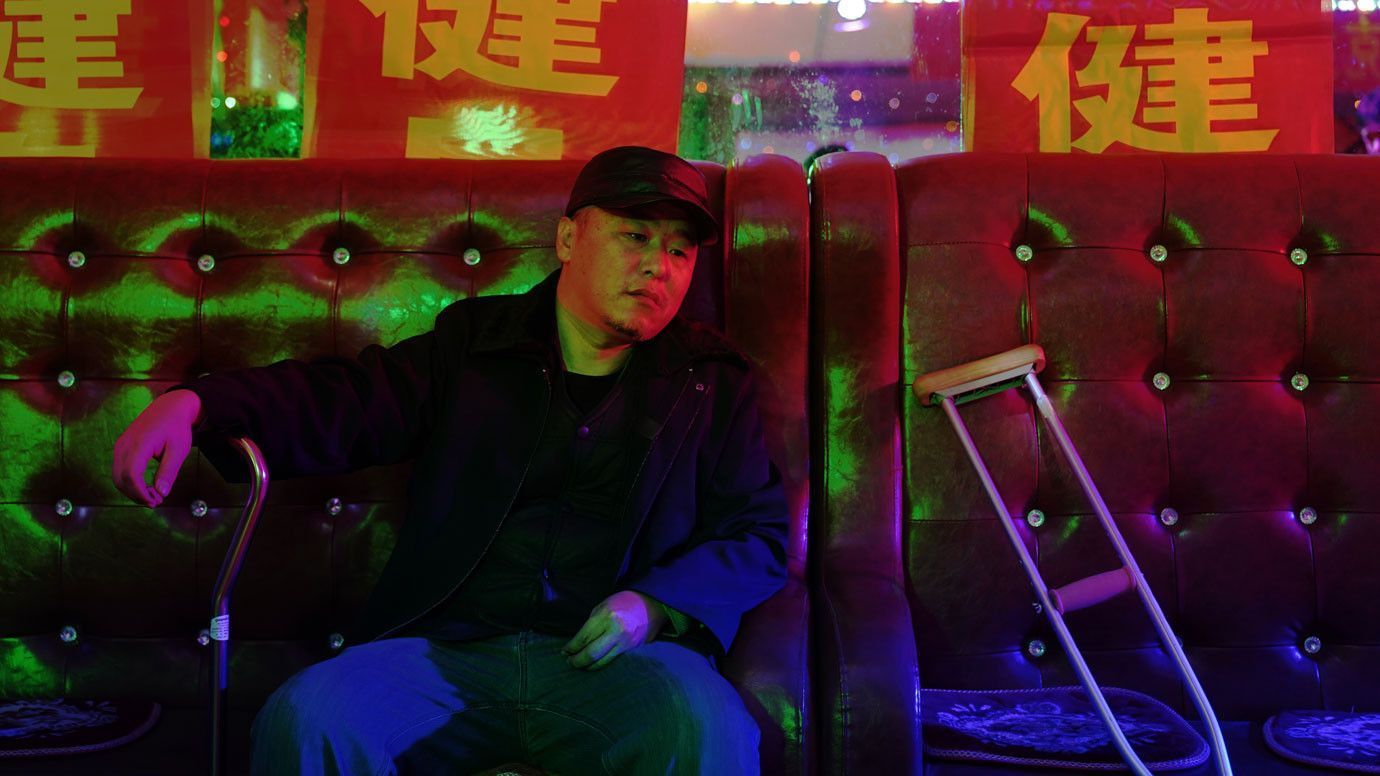
As the narrative progresses, the trio’s relationships unravel, and hidden truths begin to emerge. While the film only lightly leans into its more “twisty” elements, these moments elevate the otherwise meandering structure. Interactions with supporting characters further reinforce the film’s central idea: that every relationship is, at its core, transactional. Beneath this harsh reality, however, lies a quieter, more poignant undercurrent of emotional emptiness. Whether shaped by financial hardship, physical limitations, or social isolation, the characters are ultimately portrayed as lonely individuals striving for something better.