Film Review #135: THARLO

October 9, 2024

Share this article

My Review on Tharlo


(On the evening of August 31st, I attended a screening of
Tharlo , a film that once again drew me into the unique personal expression of Pema Tseden.)
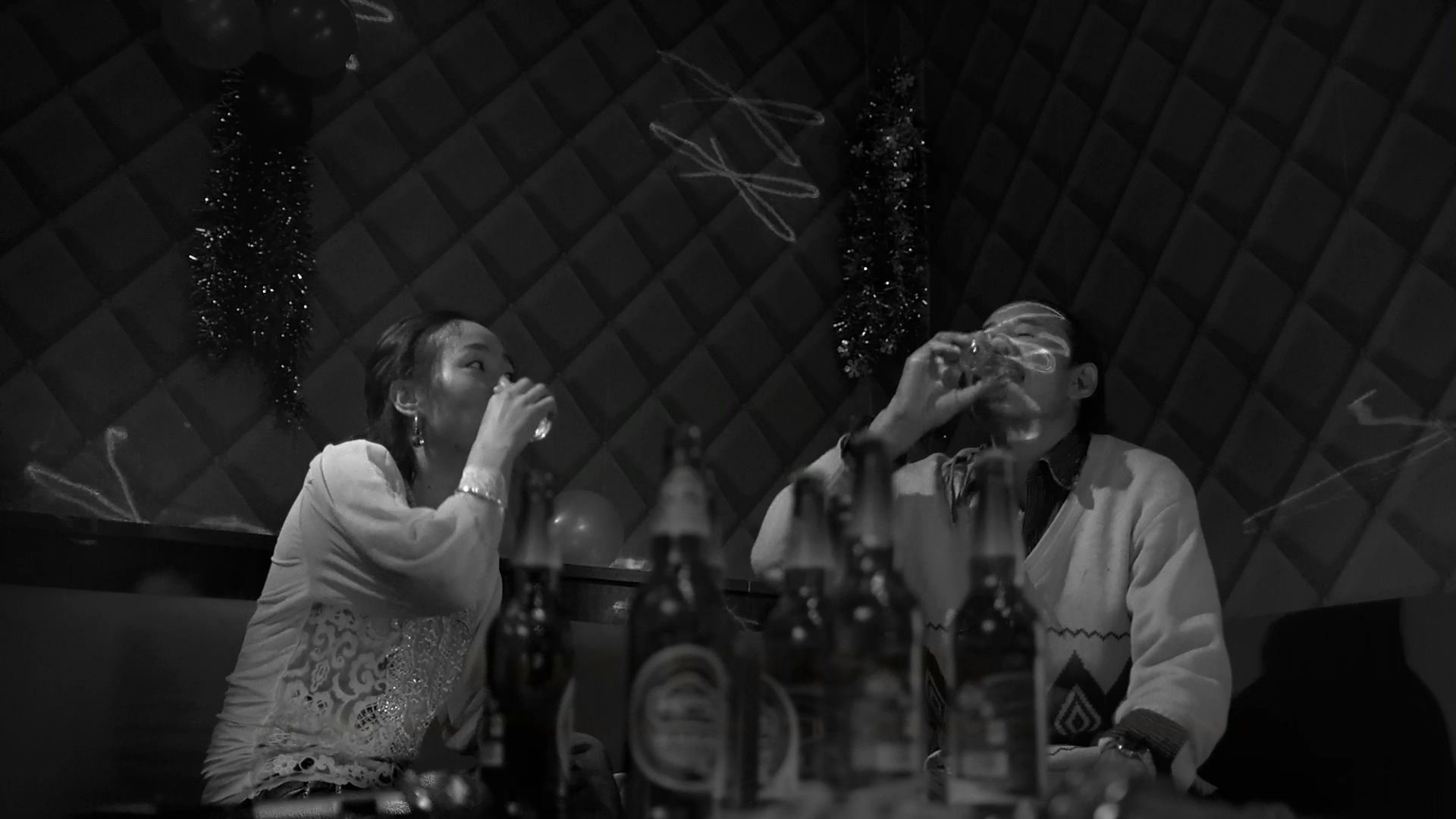
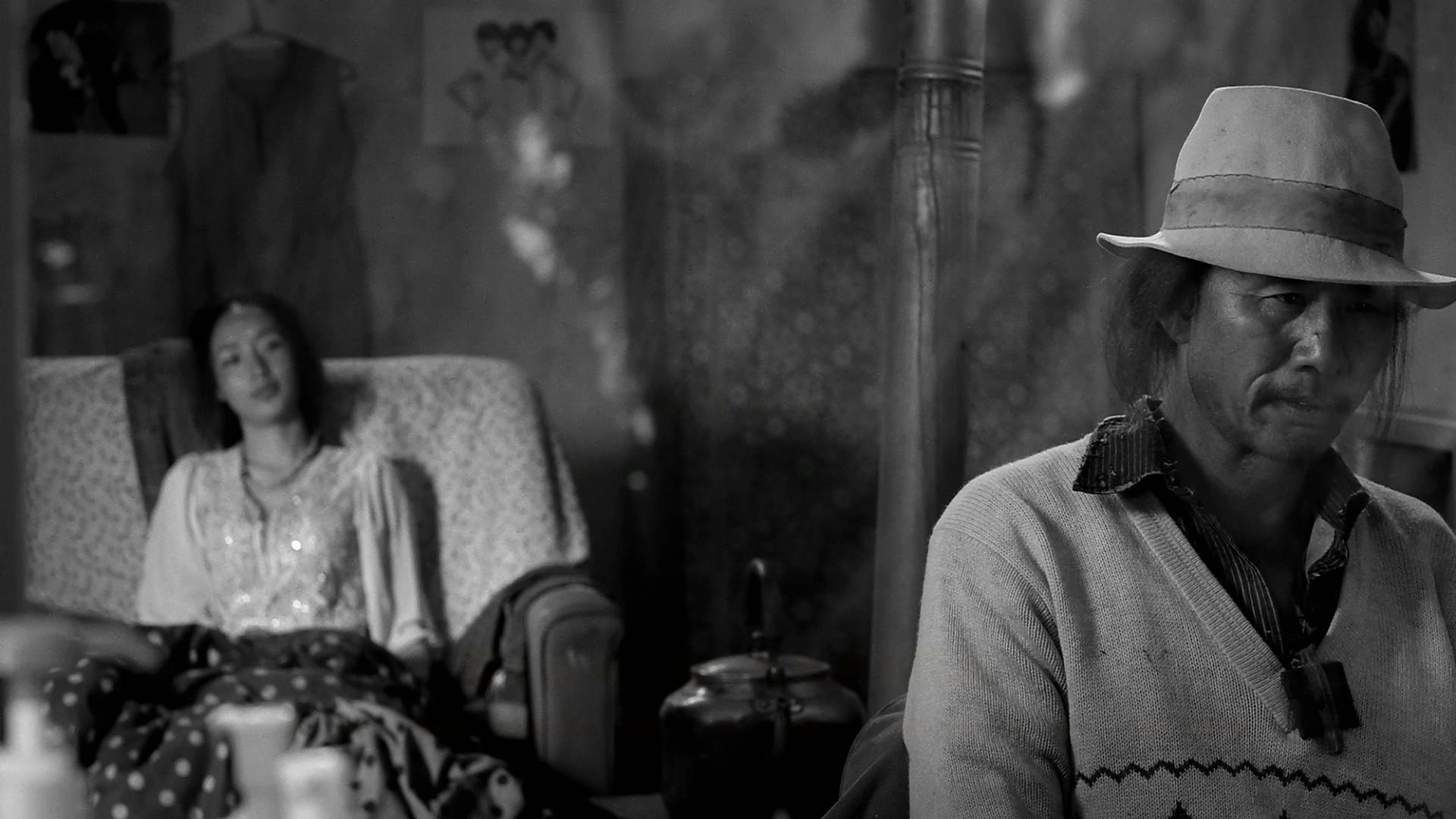
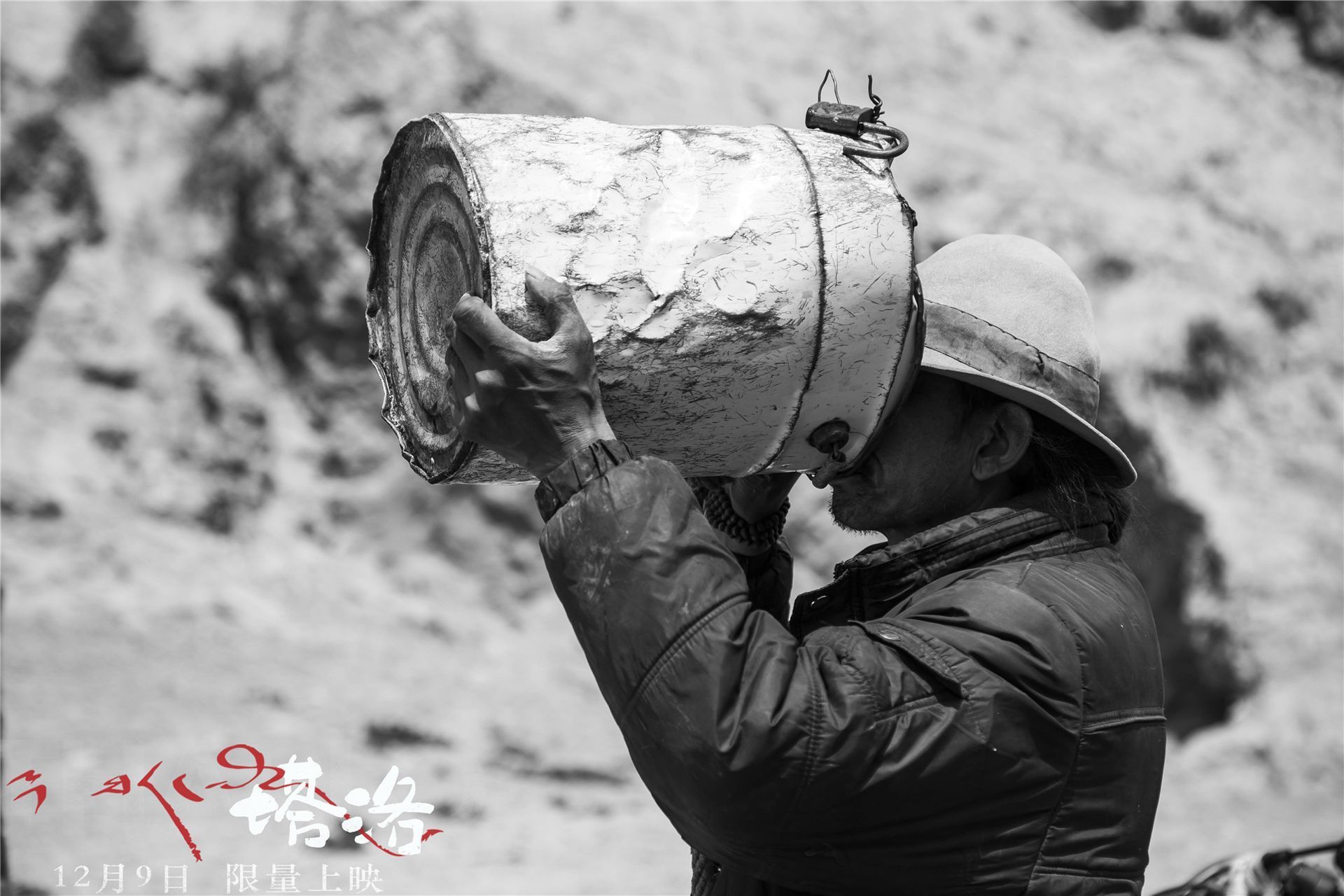
The film tells the story of Tharlo, a simple and humble Tibetan herdsman. His life is straightforward, rooted in the traditions of his rural home. However, when he needs to obtain an ID card and have his photo taken, Tharlo leaves his village and travels to the county town. There, he meets a hairdresser, and finds himself experiencing emotions he has never felt before. This encounter leads him to question his identity and the meaning of his existence. The vibrant and alluring life in the town captivates Tharlo, and he gradually loses himself in his longing for a modern lifestyle. Driven by his fantasies, he even sells all his sheep and gives the money to the hairdresser, dreaming of a future with her—a life he has never known. But this fantasy soon crumbles when the hairdresser disappears with all his money, leaving Tharlo in a state of deep despair.


The film opens and nearly closes with Tharlo reciting quotations from Chairman Mao in a manner reminiscent of chanting sutras. The shifting attitude of the police chief toward him also creates a deeply ironic tone.

Cinematographer Lü Songye has given the film a unique character. The black-and-white cinematography, combined with aesthetically rich compositions and long takes from fixed camera positions inevitably reminds me of Yasujirō Ozu, another director I hold in high regard. Although the film primarily uses fixed-camera long takes, the simplicity of the actors' performances, the plain dialogue, and the director's careful crafting of the atmosphere all contribute to a narrative style that feels as natural as breathing—quiet yet powerful, and deeply thought-provoking.

I can’t help but wonder why the film was shot in black-and-white. Perhaps it can be interpreted as follows: "Black" represents the secular, complex, and conflict-ridden modern society, while "White" symbolises Tharlo’s pure, traditional image as a Tibetan herdsman. As the white is enveloped by the black, Tharlo experiences temptation and desire, but in doing so, he loses himself and is ultimately harmed—harm that leads to his tragic demise.

Tharlo is, once again, a profound exploration of the conflict between tradition and modernity in the process of modernisation. Tharlo’s story reveals how individuals struggle and become lost in the face of invisible forces within this conflict, ultimately descending into tragedy. The film’s unique visual style and deep themes moved me deeply, leading me to a deeper reflection on self-identity in modern society.

_______________________

About the author: My name is Xia Zhongjing, and I'm from Suzhou, Jiangsu, China. Now, I live in SG. I am a professional in the film and television industry with a Master of Arts degree, and I studied film in New York. My primary work focuses on documentaries, and I have a deep passion for all forms of beautiful artistic expression.

Recent Posts

By Elena Goh June 12, 2026
Commentary: Fiction and Vulnerability in Drive My Car (2021) [SPOILER ALERT] This review contains spoilers for the film Drive My Car (2021). 
By Yong Xiang June 9, 2026
City of Small Blessings (2024) “A Certain Degree of Impermanence”: An Interview with Filmmaker Wong Chen-Hsi
By Lixin Foo June 9, 2026
Primavera (2025) dir. Damiano Michieletto Operatic stage director Damiano Michieletto’s staunchly feminist portrait of a violinist and her mentor is a virtuosic feature film debut.
By Yiheng May 29, 2026
The Riskless Joyride of Marty Supreme
By Jun Sen May 22, 2026
Ikiru - To Live Or Not To Live? A narrative analysis by Jun Sen of Akira Kurosawa’s Ikiru (1952) – what it means to truly live.
By Pan Wenbo April 20, 2026
SCFF 2026 LINKA LINKA Review
By Amadeus Yeo April 17, 2026
Review: Palimpsest: the Story of a Name (dir. Mary Stephen)
By Victoria Khine April 17, 2026
SCFF 2026 Animated Shorts 动画短片集
By Rachel Xia 夏仲静 April 15, 2026
Film Review: Beyond Reconciliation: Living On in Life of Luosang 藏地的生命诗篇:《洛桑的家事》
Show More