Film Review #134: BALLOON

Xia Zhongjing • October 9, 2024

My View on Balloon: Surrealism and the Female Perspective

Balloon explores the tension between Tibetan culture and modern society, the conflict between faith and reality, and the personal struggles of individuals against fate, all through a seemingly simple family narrative. The film's unique visual beauty and female-centric perspective reveal deeper human dilemmas.


Symbolism of the Red Balloon

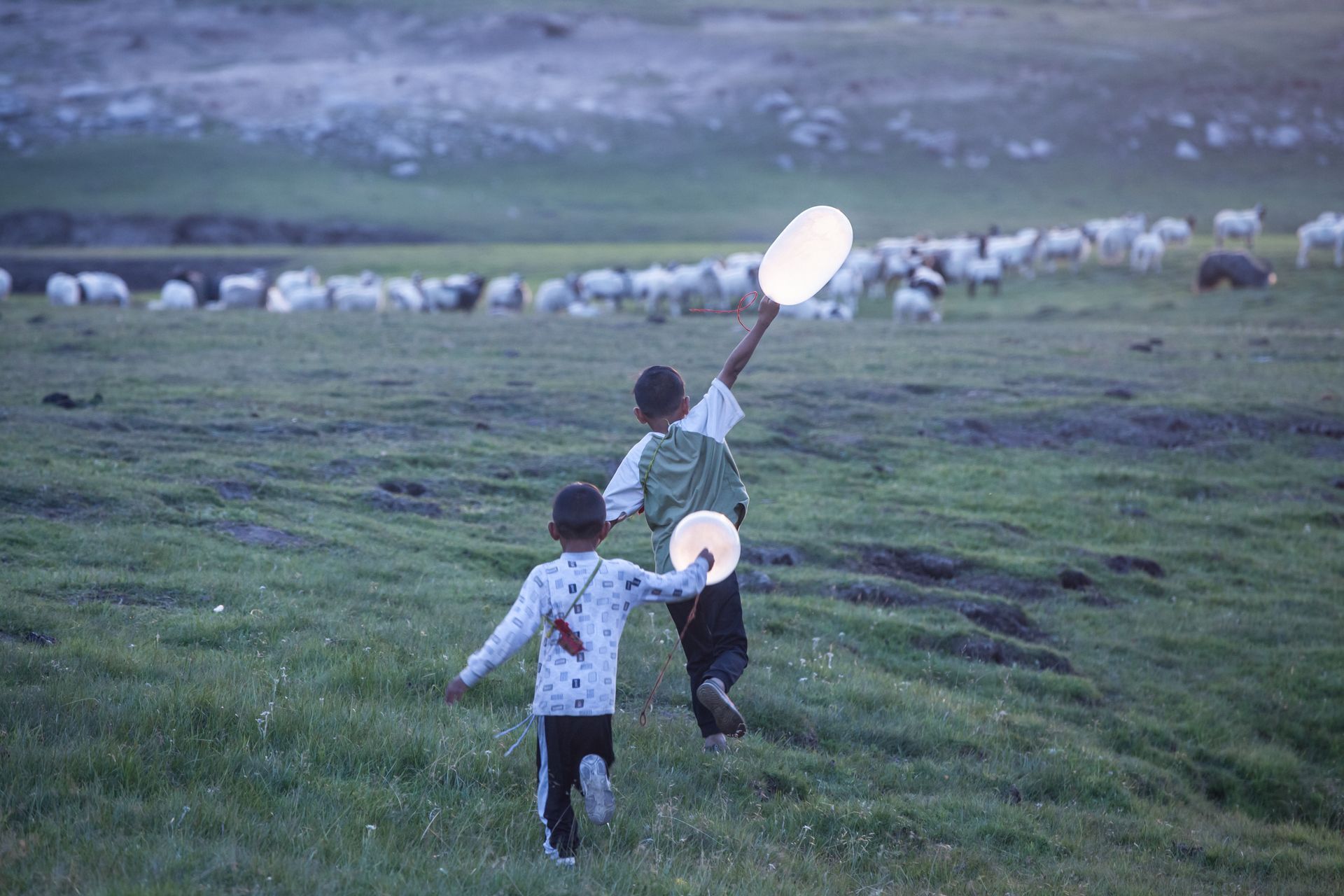
The red balloon is a central image, symbolising hope, freedom, and helplessness. It appears throughout the film, blending realistic and surreal scenes to become an expression of inner emotions and a layered metaphor rather than a mere prop.


Surreal and Poetic Scenes

The surreal scenes are striking, such as the boys removing a mole from their brother’s body—believed to be a mark of their grandmother’s reincarnation—and running into the desert; or the brother searching for his grandfather in a swamp, with reflections shifting from illusion to reality. These moments are filled with poetic absurdity and reflect the film’s deeper exploration of Tibetan beliefs on reincarnation and destiny.


Female Perspective and Complex Emotions

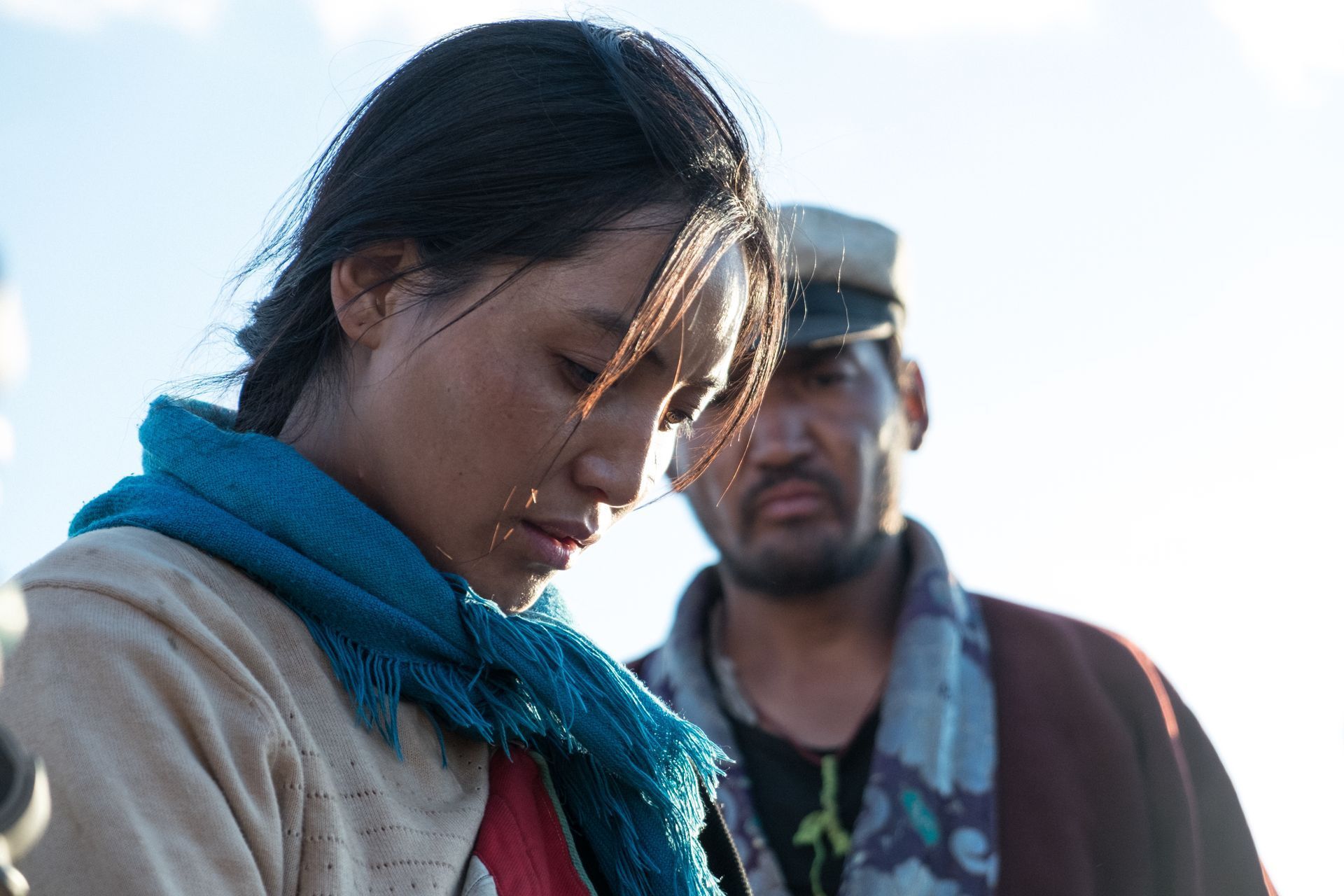
Balloon is unique in Tseden’s work because of its focus on a female perspective. Drolkar, the protagonist, faces the dilemmas of unplanned pregnancy and religious belief, grappling with a desire for autonomy while being bound by tradition. Her struggle reflects the fractures caused by the clash of Tibetan culture and modernity.


Contrasting Female Characters

The contrast between Drolkar and her sister, Shangchu Drolma, highlights different choices of women confronting tradition and modernity. Drolma’s silence as a nun stems from a past failed relationship, subtly depicted as a metaphor for regret. The portrayal of these women, along with a modern female doctor, adds layers to the narrative, depicting the complex emotional landscape of contemporary Tibetan women.


Visual and Musical Expression

Visually, Balloon is memorable for its handheld shots and long takes, capturing the vastness of Tibetan landscapes and intimate emotional moments. The cool tones enhance the story’s emotional undercurrent, amplifying the characters’ anxieties. The restrained use of traditional Tibetan instruments adds a mystical quality to the film’s surreal elements.


Open-Ended Conclusion

The film’s conclusion, with a popped balloon and another floating skyward, leaves characters gazing upward, searching for answers that never come. This open-ended finale invites broader reflection, elevating the film’s social and artistic impact.


Balloon
weaves together surrealism, cultural critique, and personal storytelling, offering a profound exploration of faith, identity, and the human spirit that resonates beyond its cultural context.


After the screening on August 28th, there was a live Q&A session with Professor Xu Feng from the Central Academy of Drama. The professor engaged in a deeper discussion with the audience, focusing on the cultural background of the Tibetan region, particularly the representation of Tibetan Buddhism in the film. This discussion allowed me to gain insights into aspects that I hadn’t previously understood, making it a very enlightening experience.


_______________________


About the author: My name is Xia Zhongjing, and I'm from Suzhou, Jiangsu, China. Now, I live in SG. I am a professional in the film and television industry with a Master of Arts degree, and I studied film in New York. My primary work focuses on documentaries, and I have a deep passion for all forms of beautiful artistic expression.

BLOG

By Chinmaya January 28, 2026
Film Review #188: Bugonia
By Kaela Teh January 28, 2026
The Lost Youth and Digital Loneliness of All About Lily Chou-Chou
By Jing January 17, 2026
Seeing from a Distance: Modern Life through Edward Yang’s Lens in Yi Yi
By Rachel Xia January 17, 2026
Is the Person You Once Loved Still by Your Side? 那个曾经深爱的人还在你身边吗? A reflection on Once We Were Us 观《Once We Were Us》有感
By Han Yiheng January 16, 2026
Commentary: Agnès Varda’s Lessons in Humility
By Jun Sen January 15, 2026
Covert Operations, the Liberation of Truth and the Need to Remember – The Universal Rebellion  Seen in The Secret Agent
By Stephanie December 31, 2025
Feeling Death: Review of Kiarostami’s Taste of Cherry (1997)
By Ivan Chin December 31, 2025
Film Review #182: YI YI
By Jing December 16, 2025
The Music of Memory: Form, Intimacy, and Musicality in Joachim Trier’s Sentimental Value
By Jarrett Yang December 16, 2025
SGIFF Film Review - Amoeba (2025) 
More Posts