Film Review #14: DECISION TO LEAVE

Jia Hui • March 9, 2023


Film Review #14: DECISION TO LEAVE

*This film review may contain plot spoilers, reader discretion is advised.*


Can love feel so right yet so wrong? Never more clearly exemplified than in the relationship between our main leads Hae-Joon (Park Hae-il) and Seo Rae (Tang Wei) in Decision to Leave, this question becomes front, right and centre of the whole movie. Park Chan-wook is not just the film’s director but also a master of mystery, and most recently, the new Cannes Best Director. Even amongst the thundering success of recent Korean cinema, Park carves out his own path with his own special touch for storytelling. 


One of this year’s most anticipated movies from Cannes, and also Park’s first film in six years, Decision to Leave is a noir-thriller with heavy hints of romance but also morally complex, riddled with dark humour and action-packed. If the film isn’t described as convoluted, I don’t know what else is. The confusion that comes with convolution is often problematic but it is effortlessly mitigated through Park’s mastery of his craft.


Every film by Park seems to paint a clever picture of the unfathomable, and this is no exception. A Korean man dies an unusual death off the top of a mountain, leaving behind his Chinese wife, Seo Rae. Her oddly unbothered reaction quickly makes her the prime suspect. The cool-headed detective in charge, Hae-Joon, sweeps up the case, only to become enamoured by her reserved yet beguiling beauty. Through twists and turns, Hae-Joon becomes plagued by the internal conflict between desire and morality. As they both attempt to conquer the question of the impossibility of their love, this love begins to leave the picture as their Decision to Leave begins.

Bruce lee

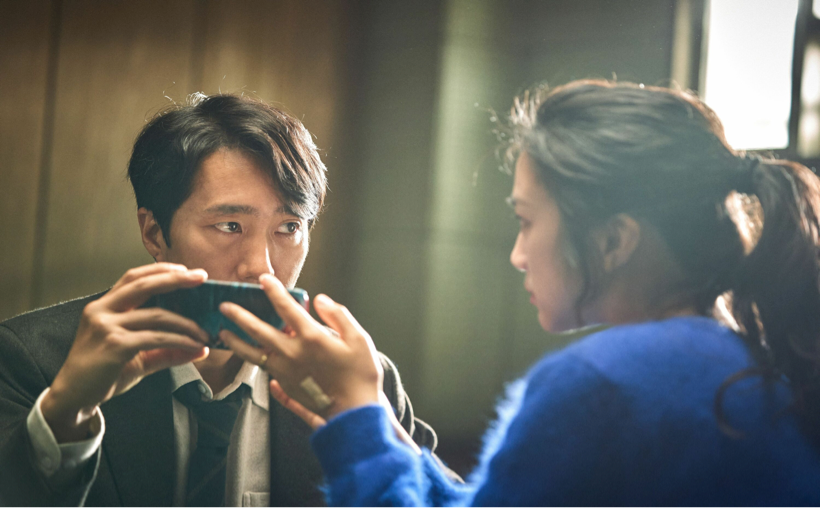
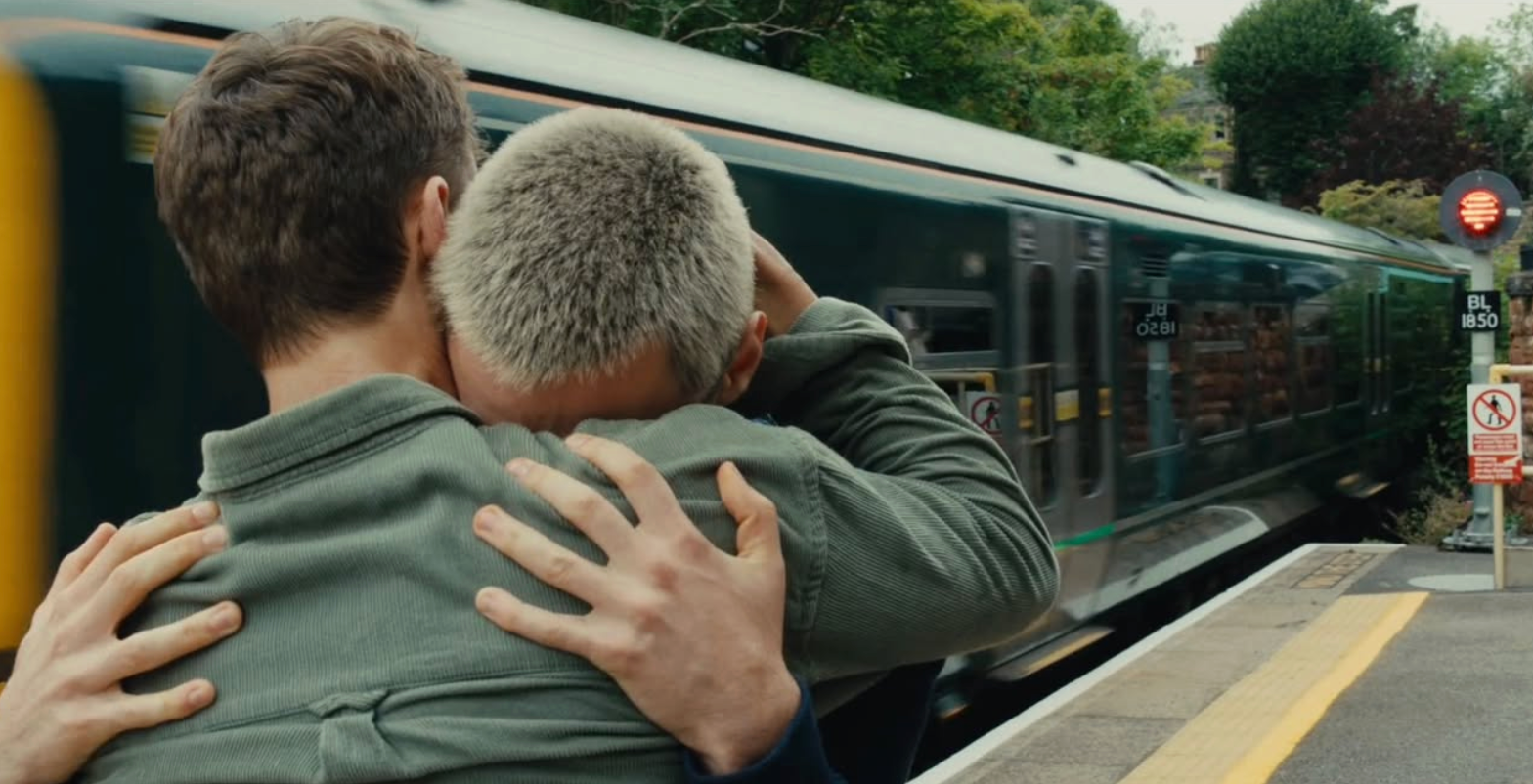
Film still from Decision To Leave

One cannot go without giving attention to how beautifully stylised the film is. Every frame attacked me with its arresting visuals. If Hae-Joon was mesmerised by Seo Rae, I was captivated by Park’s top-notch direction. Not to mention, the sublime musical score deserves its own special award, elevating the tone at timely junctures. 

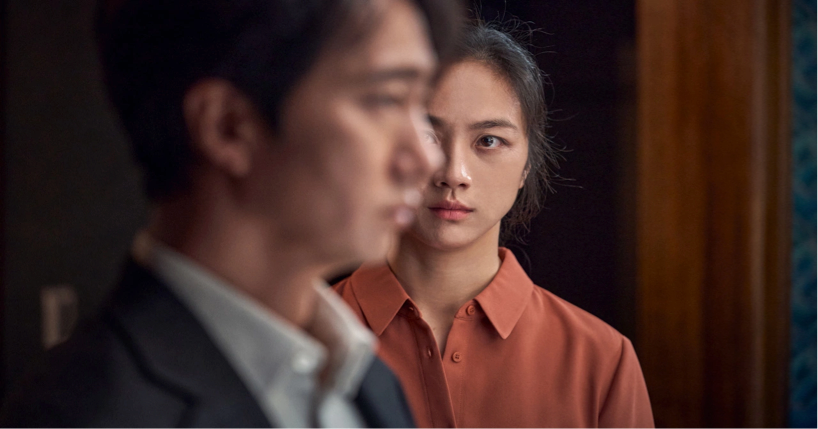
Film still from Decision To Leave


The superb acting of the cast also ought to be given due attention. Tang Wei’s chemistry with Park Hae-il is a constant marvel. Our detective Hae-Joon is an intelligent insomniac but also irrevocably in love with Seo Rae. Why so? It is not difficult to see, especially when she is played by the magnetic and alluring Tang Wei. Hae-Joon is a classic cop, obsessed with unresolved cases. Perhaps this is exactly why he becomes obsessed with Seo Rae. He and the audience are introduced to her many polarities, where she confuses as much as she charms. Combined, she becomes a cornucopia of enigmas and drama and riddles. 


Amidst their growing fascination with each other, what becomes more fascinating is the backdrop to their relationship. Our darling detective is none other than a married man. If not for our knowledge of his marital status, how he behaves in response to Seo Rae simply does not mirror it. Is this how a married man ought to act? Adding on, we see peculiar shots of the detective spying voyeuristically outside of the suspect’s home, as he notes down observations to a tee, even her choice of ice cream for dinner. Pause. How is her eating ice cream for dinner relevant to the investigation in any way? 


Previously, Hae-Joon had also imagined himself physically beside Seo Rae as she went through her daily motions. Different scenes in different spaces were introduced, yet the pair still somehow ended up being in each other’s line of sight. This stylistic motif employed pulls the audience into the internal mechanics of the characters’ minds, seemingly like an extension of Hae-Joon’s maniacal fantasies. Slowly but inevitably, the film morphs from a formal police procedural into something far more like a perverse Korean melodrama.


Indeed, Park keeps the audience on their toes with questions, each more complex than the next. We watch on as Hae-Joon makes remarkable progress in his investigation. Yet, an unsettling voice at the back of our heads undoubtedly wonders: has the professional become too personal? Clouded by romance, his achievement is dragged into murky waters. Fundamentally, the question changes to become, what does it mean to love someone? Is it pure romance or curiosity that causes us to inch closer? It seems as though sometimes romance is simply an excuse for one’s innermost desire for the unknown and unattainable. 

Film still from Decision to Leave


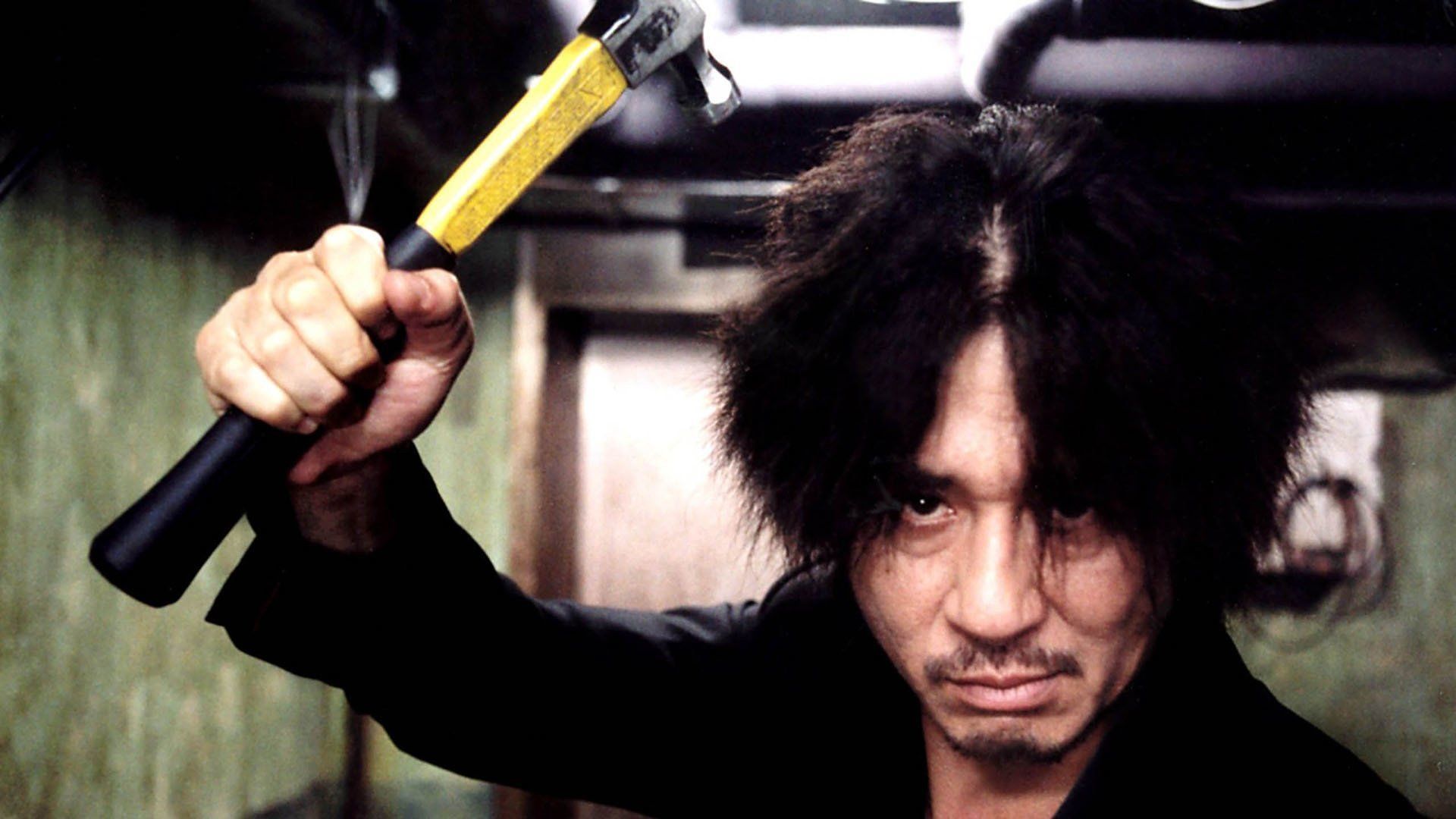
Even amidst Park’s other impressive filmography like Oldboy (2003) and The Handmaiden (2016), Decision to Leaveis indeed markedly different. Exploring uncharted territories, he departs from his usual style of physical violence and moves to a more psychological one. Delving into more elegiac waters, this marks a new phase for him. 


Convoluted might not be your cup of tea, but maybe this is that cup of tea that will change your mind. Thankfully, Park’s film was not a Decision to Leave for me but a Decision to Stay. 

——————————————————————————-


This review is published as part of *SCAPE’s Film Critics Lab: A Writing Mentorship Programme, organized by The Filmic Eye with support from Singapore Film Society and Sinema.


About the Author: Jia Hui has a love-hate relationship with potatoes but thankfully, this is not the case for films. When not daydreaming about films, she can be found dreaming about her other loves, food & design. And yes, all while taking her gap year. 

BLOG

By Jing January 31, 2026
Film Review #189: Withered Blossoms
By Chinmaya January 28, 2026
Film Review #188: Bugonia
By Kaela Teh January 28, 2026
The Lost Youth and Digital Loneliness of All About Lily Chou-Chou
By Jing January 17, 2026
Seeing from a Distance: Modern Life through Edward Yang’s Lens in Yi Yi
By Rachel Xia January 17, 2026
Is the Person You Once Loved Still by Your Side? 那个曾经深爱的人还在你身边吗? A reflection on Once We Were Us 观《Once We Were Us》有感
By Han Yiheng January 16, 2026
Commentary: Agnès Varda’s Lessons in Humility
By Jun Sen January 15, 2026
Covert Operations, the Liberation of Truth and the Need to Remember – The Universal Rebellion  Seen in The Secret Agent
By Stephanie December 31, 2025
Feeling Death: Review of Kiarostami’s Taste of Cherry (1997)
By Ivan Chin December 31, 2025
Film Review #182: YI YI
By Jing December 16, 2025
The Music of Memory: Form, Intimacy, and Musicality in Joachim Trier’s Sentimental Value
More Posts