The Art of Interdisciplinarity with Mediha Didem Türemen
The Art of Interdisciplinarity with Mediha Didem Türemen
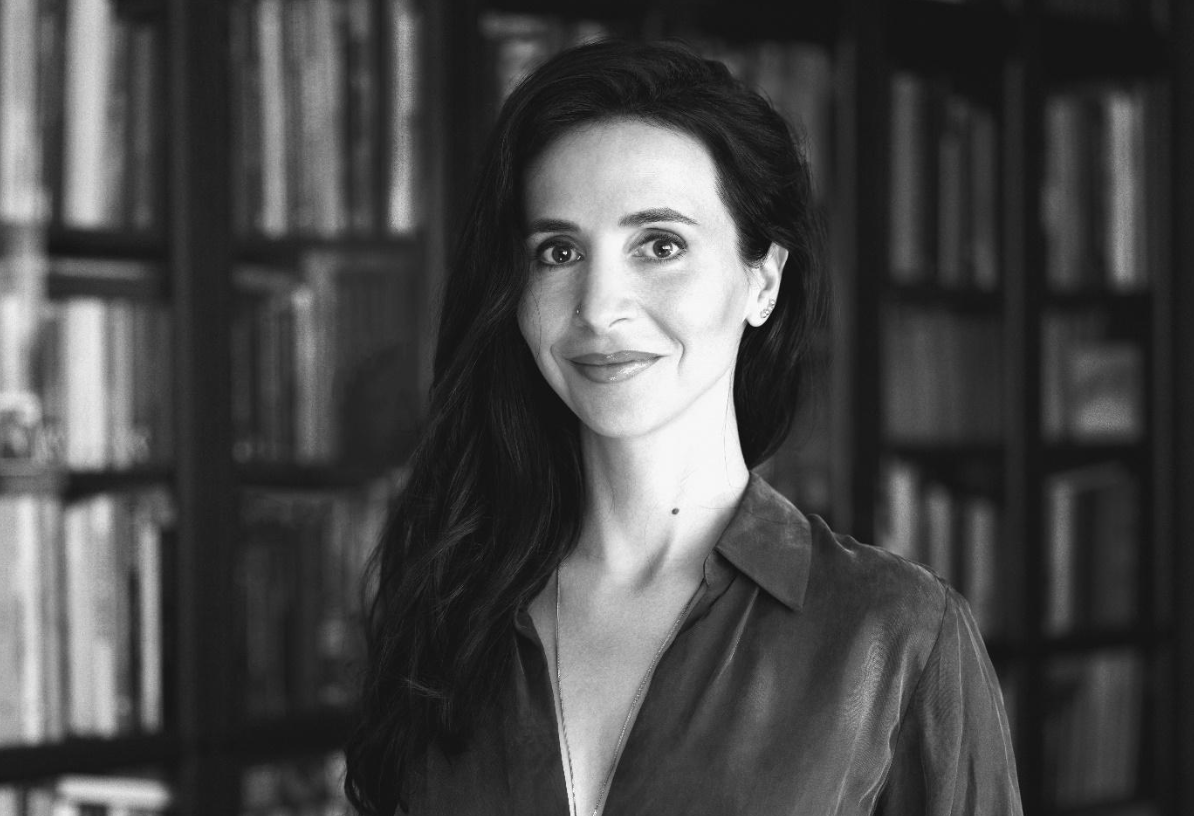
Mediha Didem Türemen’s interdisciplinary career isn’t common in the film industry. Where most filmmakers focus on one specialization, she has an interdisciplinary career filled with impressive experiences in filmmaking, photography and engraving.
She was the executive producer of Kuru Otlar Üstüne – About Dry Grasses (2023, dir. Nuri Bilge Ceylan), which competed for the Palme d’Or at the 76th Cannes Film Festival and premiered at the 34th Singapore International Film Festival. She also shot the 7-hour companion documentary, Otlar Sararırken – While the Grasses are Drying (2025), which is currently streaming on HBO. She is transitioning into directing with Timeless, a completed documentary about the legacies people leave behind in artefacts.
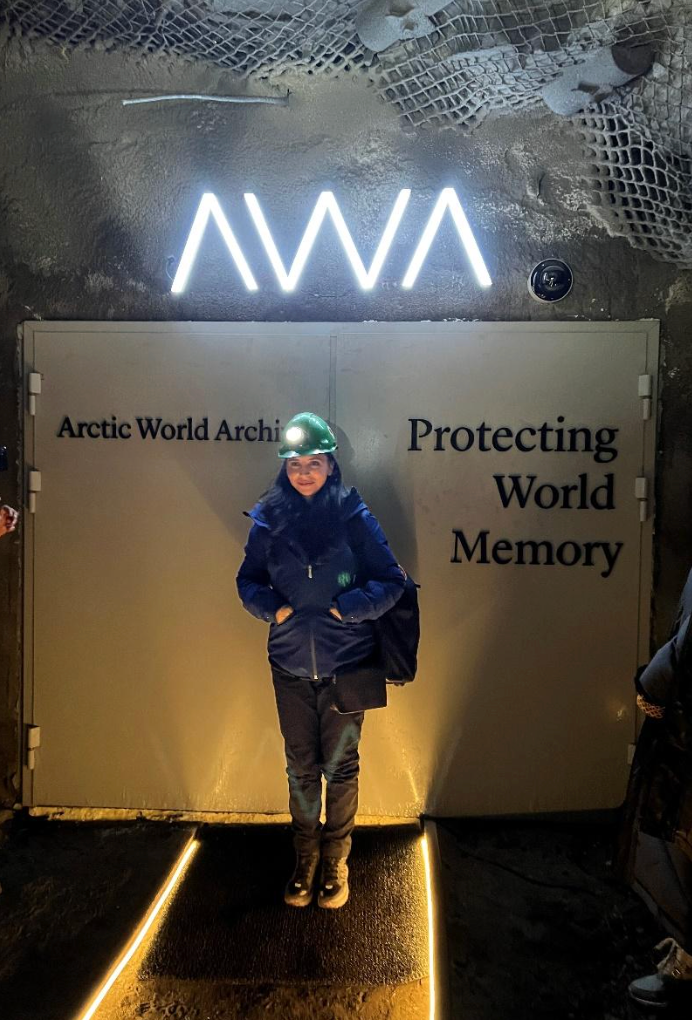
As an artist, her engraving, Homage to Albrecht Dürer (2016), entered the Albertina Museum’s collection in Vienna and was deposited in the Arctic World Archive in Svalbard, Norway. She is the youngest and first Turkish female artist to deposit her work in the Arctic World Archive, and the Albertina Museum in Vienna. Moreover, she had an Ingmar Bergman tribute exhibition, Myths (2018), which was included in the Bergman100 centenary programme and the 37th Istanbul Film Festival.
Mediha (M) participated in the Asian Producers Network at the 37th Singapore International Film Festival, where I had the pleasure of hearing her share more about her interdisciplinary practice in the film industry
JS: Were there any important figures in your life that inspired you to be an interdisciplinary artist?
M: Yes, particularly my father and uncle. I remember them for their curiosity and patience. They didn’t so much tell me things as show me by the way they lived, and I only realised the impact some of them had on me years later. Perhaps we don’t always recognise, in the moment, the people who shape us.
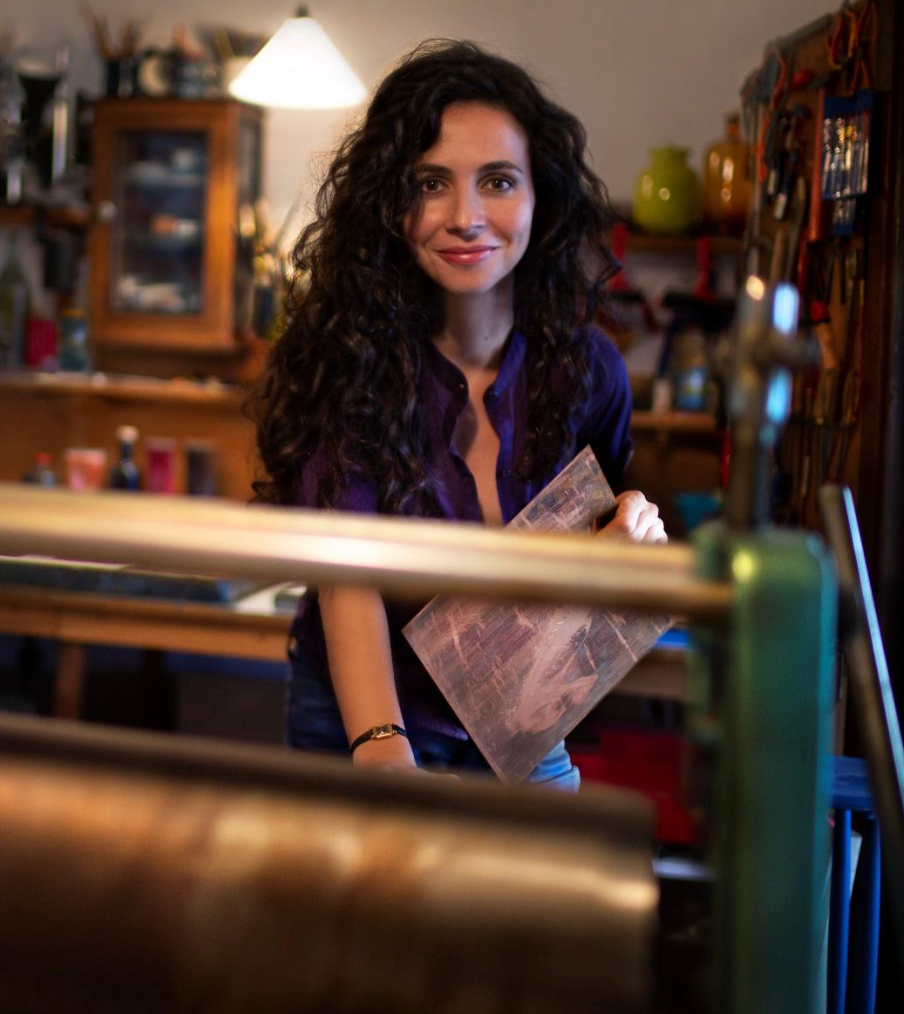
My father wasn’t a painter, but he was great at drawing. He’s a keen collector, and whenever he set his sights on something for his collection, he would research it and keep looking until he found it. My uncle was a painter. One day, out of curiosity, I learned engraving from him as his apprentice. Both of them paid close attention to nature, noticing what others missed.
Looking back now, I can see traces of both of them in my documentary Timeless, which I dedicated to my father. I now understand much better how the things I was curious about back then gradually became part of my own way of expressing myself.
JS: You’ve mentioned in previous interviews that you and your crew had to endure the extremely harsh weather while filming About Dry Grasses in eastern Türkiye. How do you feel about the equatorial climate here, and has your experience making that film helped you adapt to the humid weather?
M:
When you prepare for a shoot, you want to plan everything in advance, but accepting that every location has its own challenges, and that there are always things you cannot predict on set, is actually the most important part of preparing. This is my first time in Singapore, and I tried to come prepared for the equatorial climate. But if we were shooting outdoors here, the heat and humidity would certainly be challenging.
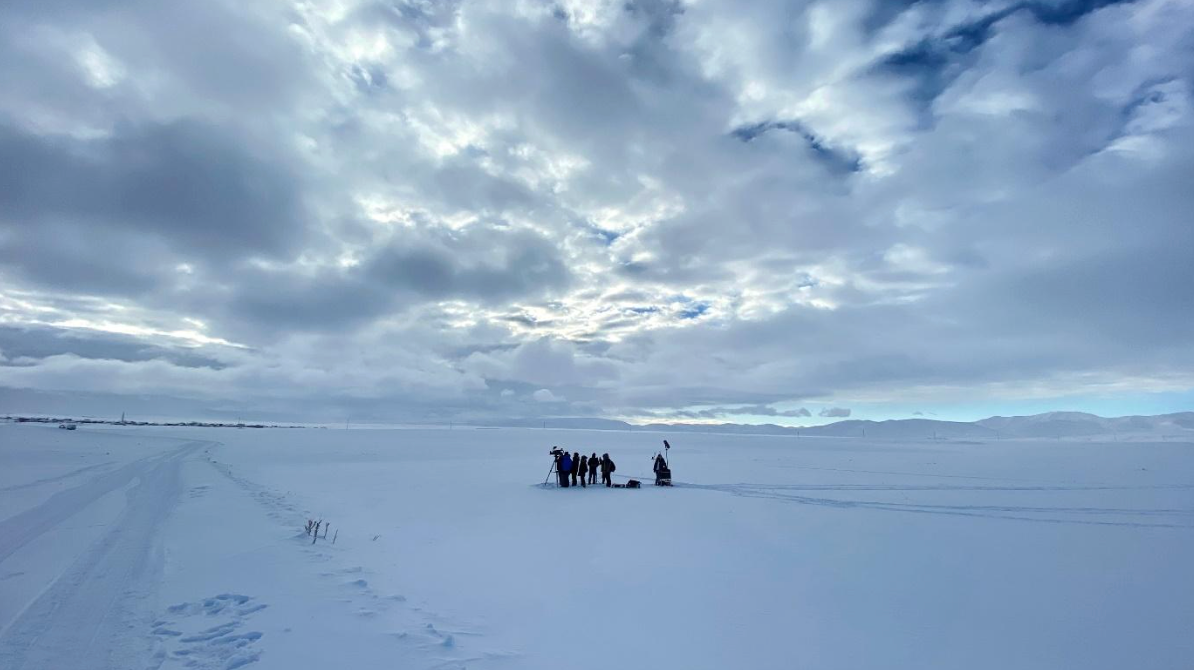
I learned a lot from About Dry Grasses in that respect. In eastern Türkiye, we worked in the snow in winter, at temperatures as low as minus 33 degrees Celsius, and in summer heat reaching 50 degrees, all during the COVID pandemic. As the film’s producer and the person filming the making-of documentary, I experienced these challenges firsthand. Despite all these difficulties, we were strongly motivated to keep pushing as a crew. That’s part of the magic of filmmaking.
Now, in Singapore, I’m meeting people from across the film world during a busy festival programme and exploring the city. Getting used to the climate takes time, but this experience means a lot to me. So, whatever the weather, I’m up for it!
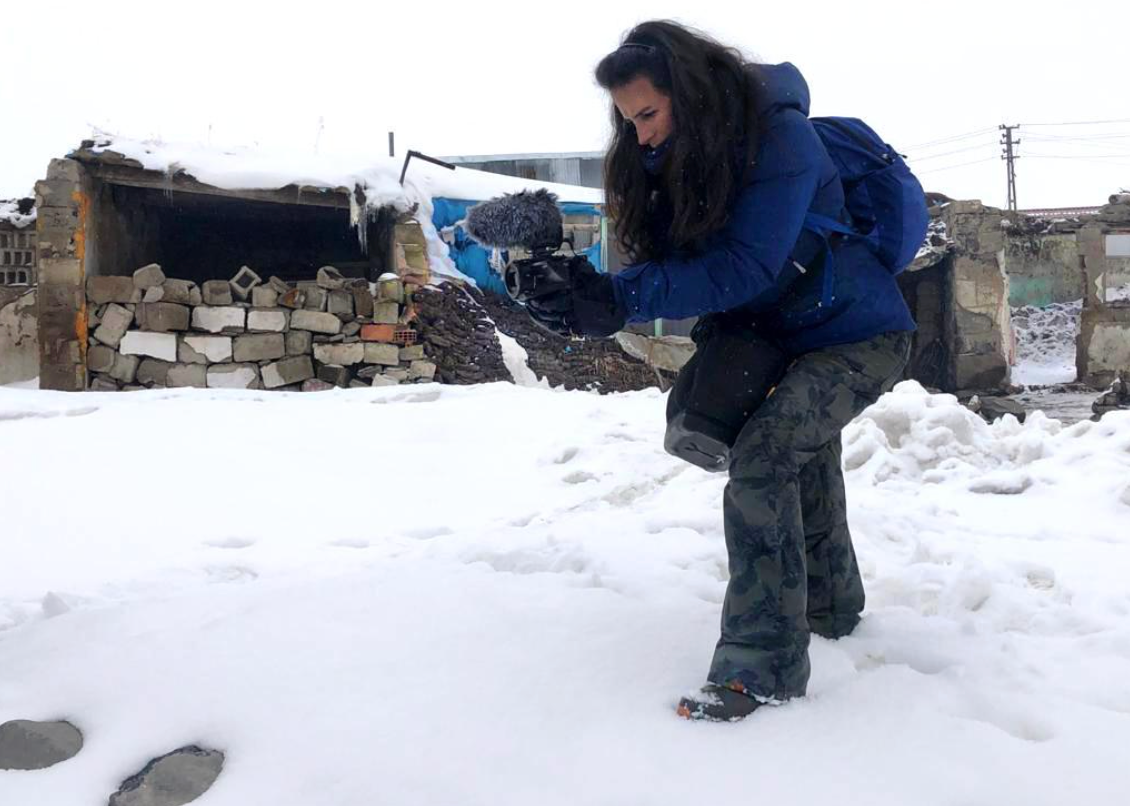
JS: What challenges did you face while making the documentary Otlar Sararırken?
M: Honestly, the biggest challenge was the weather. I had to find a position where I could see the entire set. To get a better angle, I’d often give up the shade of a tree or a spot where I could shelter from the snow.
Beyond that, the real challenge was staying alert at all times. I was constantly paying attention to everything around me, trying not to miss a single detail. I followed the whole process, the cast and crew, from pre-production through post-production. It was physically exhausting, but somehow, the adrenaline kept me going.
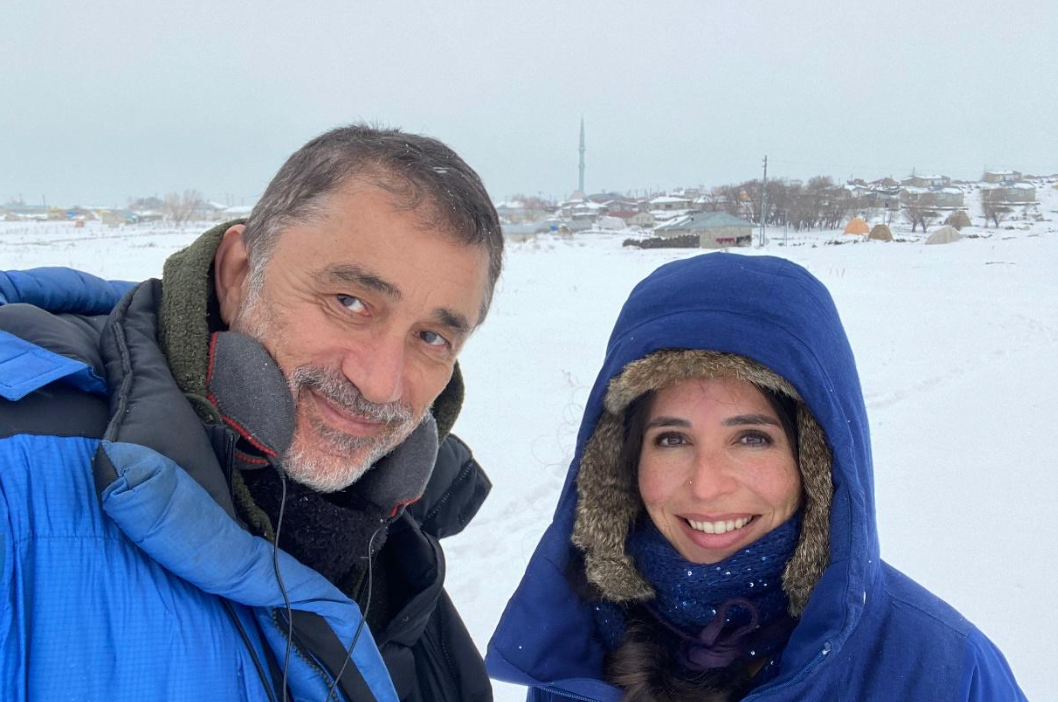
Being with the director throughout the shoot was an advantage for me as a producer. During breaks on set, we could discuss production matters and make decisions together. In short, we never had a moment to spare.
At one point, while shooting the making-of, I realised that I was experiencing the whole film and the process of making it through my camera’s monitor. I was right in the middle of it all, and at the same time, completely focused on the world taking shape on the monitor. I was living in that world and recording it.
JS: Timeless appears to be a culmination of your work in film, photography and engraving. How did your previous work influence this film?
M: I think Timeless grew out of the experiences and questions that came together through different projects over the years.
While working on Myths, I was trying to observe nature amid the crowds of Istanbul and turn what I saw into a photographic narrative. Bergman was also a major influence on me at the time, so I dedicated the exhibition to him. That journey took me to Fårö, where Bergman lived, made films and was buried. Being there helped me see that creative work is about more than the finished pieces; it can also become a way of life.
My connection with Dürer began when my uncle showed me one of Dürer’s drawings of a wing, at a time when I was making engravings based on mythological figures and wings. I had the opportunity to see the original at the Albertina, for research purposes, in the museum’s protected vault. A year later, my own work, Homage to Albrecht Dürer, also entered the same museum’s collection and was stored in secure rooms many metres underground. It was a strange and deeply moving feeling – I had been inspired by an artist who had lived centuries before me and had never known me. Perhaps centuries from now, someone I will never know might come across my work and be affected by it in a completely different way.
As I was reflecting on these ideas, I came across the Arctic World Archive in Svalbard. There, too, the cultural heritage, artworks and knowledge of our time are preserved for a future we will never know. How can a work continue to hold meaning after its maker is no longer alive, and how can it reach a time we will never know? That became one of the starting points for Timeless.
JS: As a participant in the Asian Producers Network, are there any Asian filmmakers that you’re looking forward to collaborating with?
M: When I was studying film, Akira Kurosawa’s Dreams had a profound impact on me. I was especially taken by the sequence in which a young painter steps into Van Gogh’s paintings, and by the idea that a painting could be a world you could live in. The sequence about the foxes’ wedding also stayed with me: events unfolding according to dream logic, and the strangeness of it all, felt completely natural to me.
My interest in the different cinemas and cultural contexts across Asia deepened when I first visited Japan in 2016, as part of an exchange programme between Mimar Sinan Fine Arts University and Tokyo University of the Arts.
I’m particularly drawn to films where local beliefs, myths and the supernatural are woven into everyday life. I’m curious about how these elements shape a film’s visual language and the world it creates.
At the moment, I don’t have one particular filmmaker in mind. I’m more drawn to a certain creative approach. I’d like to meet filmmakers who turn their own cultural background into a distinctive cinematic language and who think about cinema in relation to other art forms. I’m curious how our meetings might bring new perspectives to each other’s work.
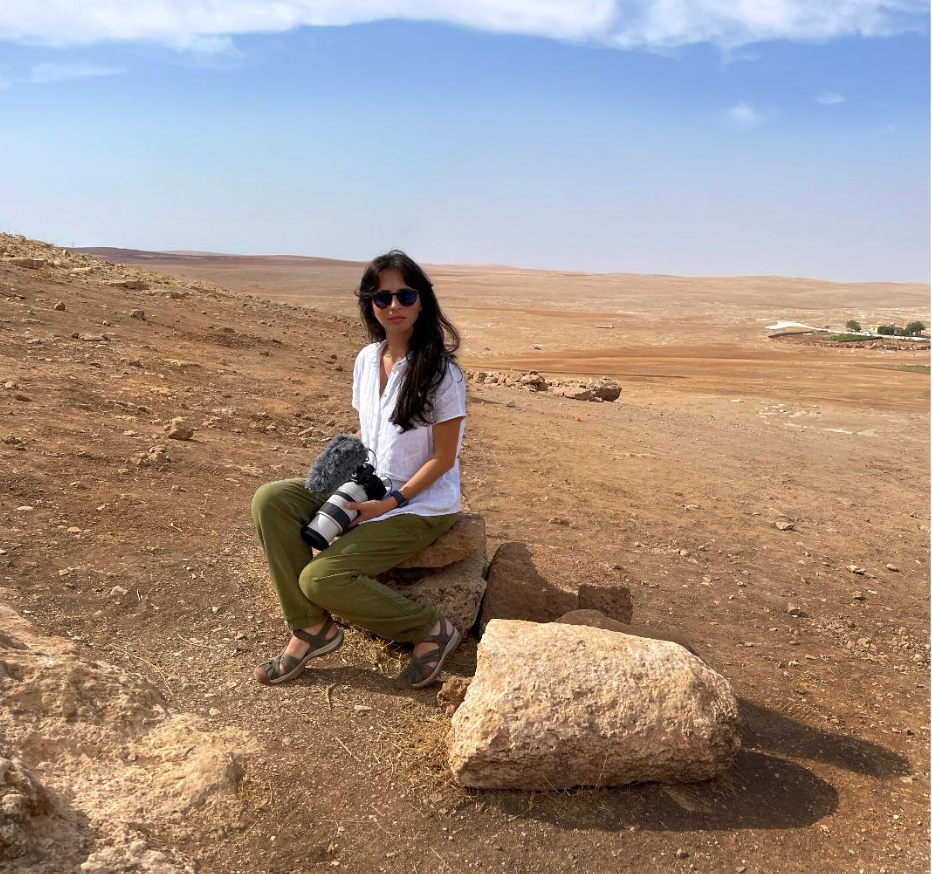
JS: You have ventured to and made art in various parts of the globe. What’s your next project, and which country are you most excited to work with?
M: One of the projects I’m developing is a documentary and photography project in its early stages, which grew out of a research trip to the Himalayas. On that trip, while I was in Nepal, I did the first shoots for it, so I’d like to keep working there and get to know the region better. I’ve also had some first conversations in Thailand, in connection with a separate project.
That said, it’s hard for me to choose one country over the other. Nepal and Thailand are on my radar right now, but I’m also curious where the people, ideas and unexpected encounters I come across elsewhere in Asia might lead. That’s one of the reasons I’m part of the Asian Producers Network.
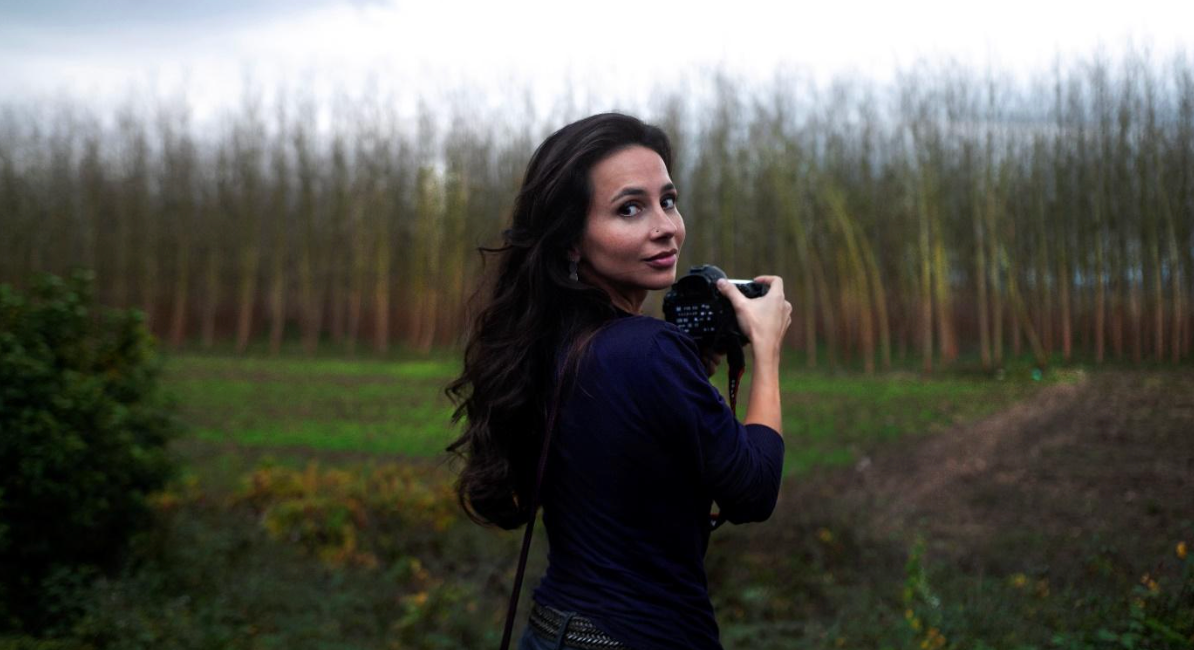
JS: What’s some advice you have for the next generation of filmmakers who aspire to be interdisciplinary like you?
M: Curiosity, first and foremost. Don’t lose it. Working across different disciplines wasn’t a career choice I had planned from the beginning. It developed over time as my curiosity led me into different fields. Having interests in more than one field can sometimes look like indecision. But experience across disciplines can help you look at the same subject from different angles.
Follow what really excites you, and stay open to the ways those interests might connect. I’d also encourage them to get out there as much as possible, experience different places, and meet people from worlds different from their own. The story really begins on the road. You can’t fully define a story from the beginning; as you go, it can take a very different, more original shape. In my own experience, especially with Timeless, the people I met sometimes changed the direction of the project, and even the questions I was asking. That’s what I value most about curiosity: instead of stopping at an answer, it keeps you open to new questions.
About the author: Jun Sen (@itsginsengbutton on Instagram) is an emerging multidisciplinary designer and video editor who loves all forms of meaningful cinema, especially films that depict mortality and the fragility of human life. Outside of work, he can be seen streaming films on the commute, catching films at the cinema, and hanging out with like-minded cinephiles. He is currently pursuing a Bachelor of Arts in Communication at University at Buffalo.
Recent Posts