

Film Review #12: PLAN 75

Elisabeth • March 6, 2023


Film Review #12: PLAN 75

*This film review may contain plot spoilers, reader discretion is advised.*

Death comes for all of us, whether we want it to or not. In a dystopian Japan, it’s the ‘solution’ for an aging society, and it’s even a package you can sign up for - or at least for anyone above 75. Chie Hayakawa’s impressive feature debut is emotional, intimate, and chilling. 


While voluntary euthanasia may seem like a dystopian concept, it is steeped in reality. Hayakawa was motivated to write a film imagining a Japan that accelerated down the path of intolerance after the Sagamihara stabbings in Japan, where a man went on a rampage and killed 19 disabled patients, claiming they were a “burden” on society with no human rights. 


In response, the film centres around an important question - how do we value a life that is no longer productive?


It’s clear how Plan 75’s fictitious Japan answers this question. A life that is no longer productive is only valuable in death. From unnerving promotional videos for voluntary euthanasia to gentrification of park benches and dwindling employment for the elderly, it corners one to reach the same logic - do the right thing by signing up for Plan 75. Die on your own terms (there’ll be a bonus!), and help revive the economy (think of your children!). 


Bruce lee

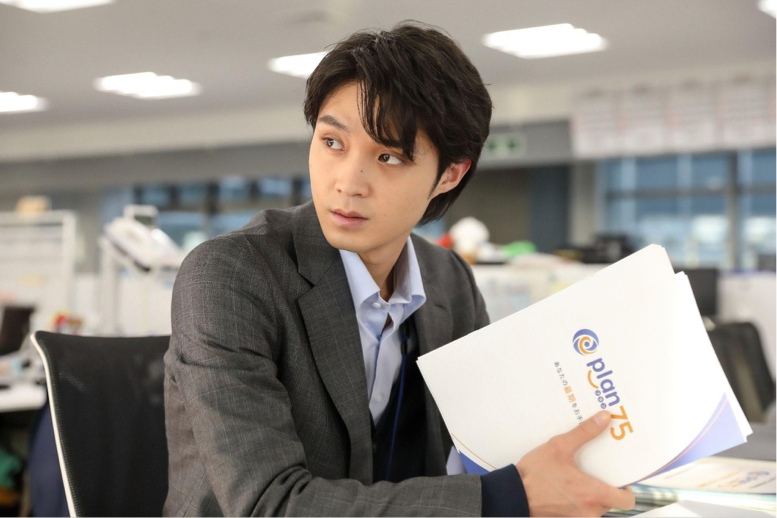
Film still from Plan 75

Plan 75 is presented with a certain brand of benevolence, a “violence with a gentle face”. This makes it palatable and allows others to accept the decisions of the government without questioning. This is exactly what happens to forHiromu (Hayato Isomura), a Plan 75 recruiter, who sees no irony in signing elderly up for Plan 75 while he hands them hot soup on a cold day. The realities of the plan dawn on him through the course of the movie, especially as he starts to feel more grow empathy and compassion for the elderly. 


Hayakawa also contrasts Japanese apathy against the warmth of Filipino culture (one of the biggest groups of caregivers in Japan). Maria (Stefanie Arianne), is a Filipino caregiver in Japan, with monetary pressures and the emotional toil from being away from her growing family growing. Her church community is quick to help, no questions asked. It’s a heartwarming tonal break from the film’s otherwise cold atmosphere of intolerance and , apathy. and lack of empathy. 


Plan 75 hits its emotional core through Michi (Chieko Baishô), an independent 78-year-old who struggles to come to terms with Plan 75 and dwindling opportunities for the elderly.

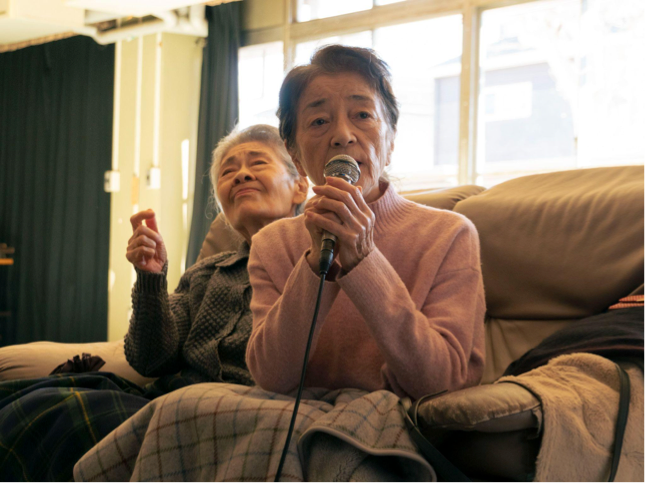
Film still from Plan 75


Michi is a protagonist I found myself rooting heavily for. She clings on to life in small ways, embracing sleepovers, karaoke with friends and or simple meals with friends and a sleepover. She’s determined not to depend on welfare, going on countless job interviews and living independently. She’s warm and open to trying new things, even kindling a companionship with Plan 75 counsellor Yoko (Yuumi Kawai). 


But as the movie progresses, the sense of dread doesn’t go away. The raw emotion of a childhood song, the cacophony of construction trucks, the lonely silence - the sounds in Michi’s life signal her inner thoughts and point towards an impending end. 

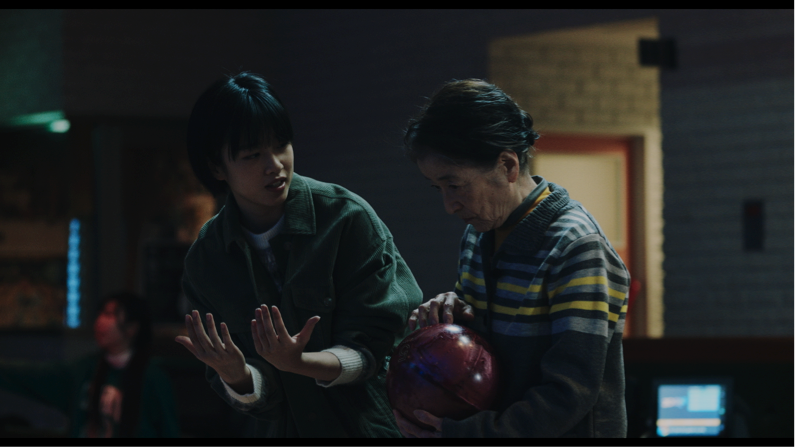
Film still from Plan 75


What makes Plan 75 so compelling is how the film disarms you. It starts by making you identify with and care for the characters, and then breaks your heart in the next scene. I wanted to reach through the screen and embrace Michiwith a hug. 


Plan 75 does not judge an individual between choosing when and how you go, or trying to live but becoming a ‘burden’ to society, it simply demonstrates how precious life is. It doesn’t need the frills of sci-fi, action or melodrama of a typical dystopian film to break your heart. Instead, it leans heavily on realism, inviting you to consider and ponder upon the implications of a society which equates value with usefulness. In Singapore, where tolerance is preached everywhere, will something like Plan 75 be conceivable? I sure hope not. 

——————————————————————————-


This review is published as part of *SCAPE’s Film Critics Lab: A Writing Mentorship Programme, organized by The Filmic Eye with support from Singapore Film Society and Sinema.


About the Author:  When not reading letterboxd’ reviews or watching fan-made videos, Elisabeth talks about movies and tv shows on her podcast Critical Cliches. 


About the Movie:

Directed by: Chie Hayakawa

Country: Japan

Year: 2022

Duration: 112min

Language: English

Synopsis: In a Japan of the near future, government program Plan 75 encourages senior citizens to be voluntarily euthanized to remedy a super-aged society. An elderly woman whose means of survival are vanishing, a pragmatic Plan 75 salesman, and a young Filipino laborer face choices of life and death.


Plan 75 was screened in Cannes’ Un Certain Regard and received the Caméra d'Or Special Distinction 2022.

BLOG

By Jun Sen March 11, 2026
SYFF - In Conversation with Jake Low 
By Phyllis Chan March 11, 2026
Learning to Breathe with Azina: Conversations on Nature and Womanhood
By Shree March 6, 2026
Film Review #195: The Bride! The Demands of Being Alive At least, the simple succinct movie title with an exclamation mark tells us it’s about to be a banger.
By Han Yiheng February 23, 2026
Trust the Process: Giselle Lin on Children’s Day, Shooting on 16 millimeter, and Teaching Film
By Kyle Pillai February 23, 2026
Film Review #194: 100 Metres
By Lixin Foo February 14, 2026
#FilmFest Guide: TIFF 50
By Benjamin Choo February 13, 2026
“Why does she have so many pictures of herself?” – Piecing together Following (1998)
By Ivan Chin February 13, 2026
Film Review #192: RENTAL FAMILY
By Chinmaya February 13, 2026
Film Review #191: Kaantha
By Rachel Xia February 13, 2026
Night King: When the Neon Lights of Old Hong Kong Glow Again 《夜王》:当老港片里的霓虹灯,再次亮起
More Posts