Film Review #99: THREE COLOURS TRILOGY

February 22, 2024

Share this article


Film Review #99: THREE COLOURS TRILOGY

*This film review may contain plot spoilers, reader discretion is advised.* 

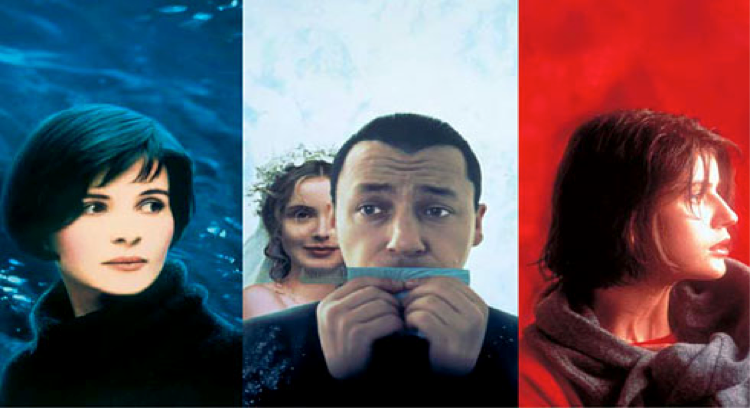
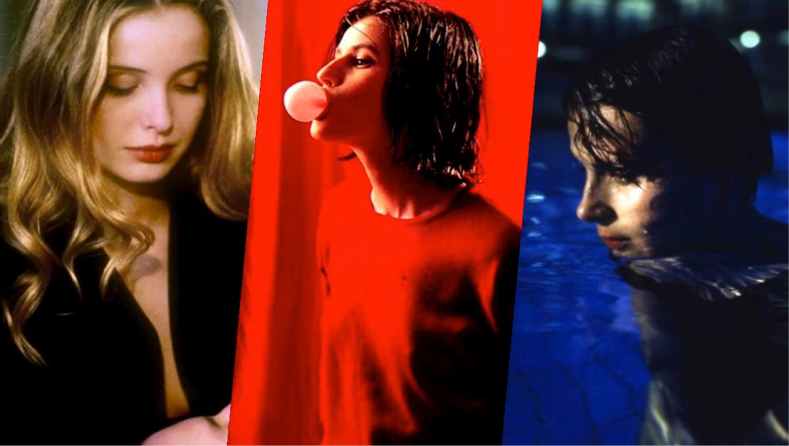
A Tapestry of Ideals: Exploring Liberty, Equality, and Fraternity through Kieślowski's Three Colors Trilogy   The colours blue, white and red flock together to proclaim the bold and perennial values of the French Republic. Liberty, Equality and Fraternity. Having allegorised the Ten Commandments in a series of short films known as Dekalog, Polish filmmaker Krzysztof Kieślowski is no stranger to producing anthological films. His parting gift, however, would cement his legacy as one of Europe’s most influential directors - The Three Colors Trilogy.   Blue (1993), White (1994), and Red (1994) - This trio of psychological dramas mirror the ideals of the French Republic, and are arranged in the flag’s hoist-to-fly order. Each feature’s core is centred around the respective theme they undertake, and when viewed collectively, provoke and answer some of our greatest moral and existential questions. Blue tackles liberty, White explores equality, and Red navigates fraternity.

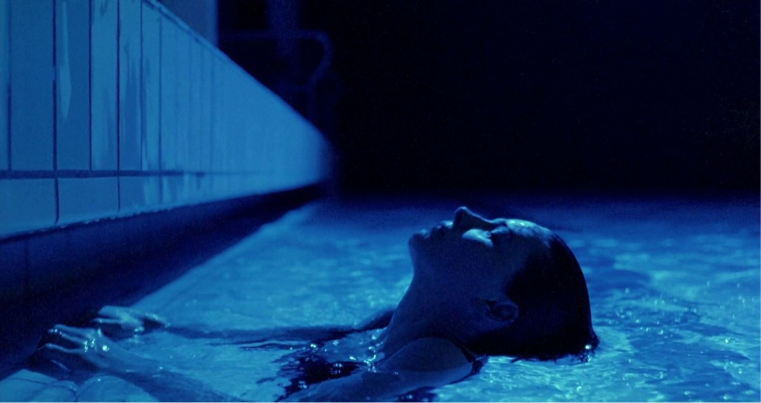
Poster of the Three Colors Trilogy. Image Courtesy of the British Film Institute.   Blue (1993) delves into a universal feeling that anyone who has experienced a profound attachment will experience - Grief. A Parisian woman isolates herself from society after losing her family in a tragic car crash. This narrative poignantly captures the essence of freedom born from loss, portraying the profound emptiness and the "unwanted liberty" that accompanies the death of loved ones.   

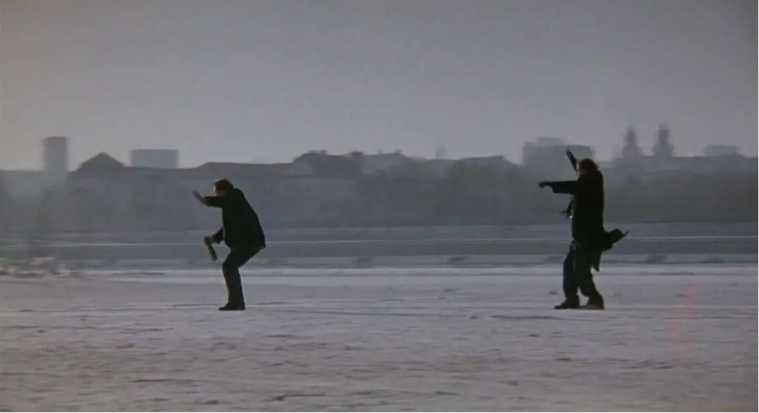
Film still of Juliette Binoche in Three Colors: Blue. Image Courtesy of The Cinephile Fix   White (1994) addresses equality with a clever narrative of vengeance and reconciliation weaved into an ingenious story that levels the playing field between its two protagonists. A Polish man meticulously orchestrates an intricate revenge plan against his French wife who abandoned him and seized all of his financial assets. This black comedy oscillates between wit and satire across scenes, showcasing the man’s ever-increasing determination to get back at his wife - and drag her down to the lower echelons of society where she abandoned him. 

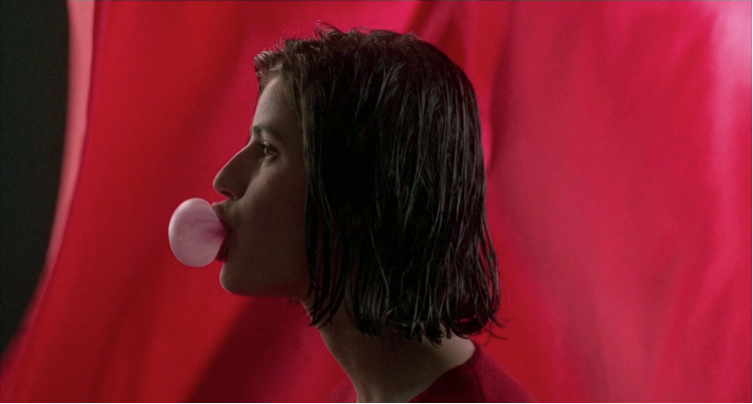
Film still from Three Colors: White. Image Courtesy of the Film Obsessive   Red (1994), the most critically acclaimed of the triad, embodies the ideal of fraternity. The film traces the journey of a model and a retired judge as they form an unlikely friendship, enforcing the notion of humans being social creatures. The film's portrayal of chance encounters and the warmth of companionship highlights this intrinsic social nature of humanity. In addition, the colour red is utilised in a way that no other piece of media has presented it before, illuminating the film with its iconic luscious and lush appearance.

Film still of Irene Jacob in Three Colors: Red. Image Courtesy of FILMGRAB   Despite boasting wholly different stories, the films share a common thread through various motifs. Each protagonist is connected to the past through material objects, a lamp of blue beads in Blue (1993), a plaster bust of Marianne in White (1994), and a fountain pen in Red (1994). These objects reappear at crucial moments to reinforce the ideals of the French Republic, as well as underscore their underlying differences. An old lady attempting to discard a bottle in a bin makes an appearance throughout the trilogy as well. In Blue (1993), the protagonist does not even notice the lady. In White (1994), the protagonist scoffs at her unsuccessful attempts. In Red (1994), the woman is finally assisted by the protagonist, concluding this side story that has explored the characters’ different responses to the lady’s plight. Finally, all of the characters make an appearance together at the end of Red (1994), closing the curtain on the trilogy with a cheeky nod to the previous two films. These elements, along with a cameo that unites the characters in "Red," underscore the trilogy's cohesive exploration of human values.   Watching the trilogy was a huge breath of fresh air for me, and my constant re-visits to this triad of films impresses me each time. Instead of enveloping the films with a collective, over-arching theme, each film explores a different ideal which allows for a refreshing viewing experience when moving on to the next movie in the series.    For Black Mirror fans out there, this trilogy will no doubt entrance you with its anthological stories that are equally captivating and profound. Ultimatewly, the Three Colors Trilogy is a masterful cinematic exploration of liberty, equality, and fraternity. Its stunning visuals, intricate storytelling, and powerful performances make it a must-watch for cinephiles (and the Letterboxd community). Kieślowski's work is a kindred spirit to the viewer: subtle, yet profoundly impactful, leaving a lasting whisper of its themes in the hearts of its audience.

Film collage of the Three Colors Trilogy. Image Courtesy of The Playlist   

——————————————————————————-
This review is published as part of *SCAPE’s Film Critics Lab: A Writing Mentorship Programme, with support from Singapore Film Society.
About the Author: A devoted cinephile since young, Terry’s love for cinema stretches beyond the silver screen. Apart from obsessing over his favourite films and rewatching La La Land for the 50th time, his other interests include martial arts, learning new languages, and reading manga.

Recent Posts

By Han Yiheng August 17, 2026
What Singapore’s film industry can learn from the Oscars
By Ivan Chin August 17, 2026
Oldboy: The Monster Within
By Fengyu Seah August 8, 2026
Spike Lee's Still Got It
By Kaela Teh August 6, 2026
On set with Christal Gallyot: inspirations and authenticity
By Elena Goh August 1, 2026
Interview with Lara Czernecki on Your Choice To Leave
By Kaela Teh July 27, 2026
Ghost in the Shell: adapting Japan for Hollywood
By Fengyu Seah July 27, 2026
Memory is All We Have in Sophy Romvari’s Blue Heron
By Yong Xiang July 27, 2026
What does Hoppers actually say about the environment? 
By Fengyu Seah July 27, 2026
Film Critics Lab: Interview with Ben Tan Kai Xiang
Show More