Tinā (2024): How Music, Culture, and Community Help People Rebuild After Tragedy
Tinā (2024): How Music, Culture, and Community Help People Rebuild After Tragedy
Written by: Shree
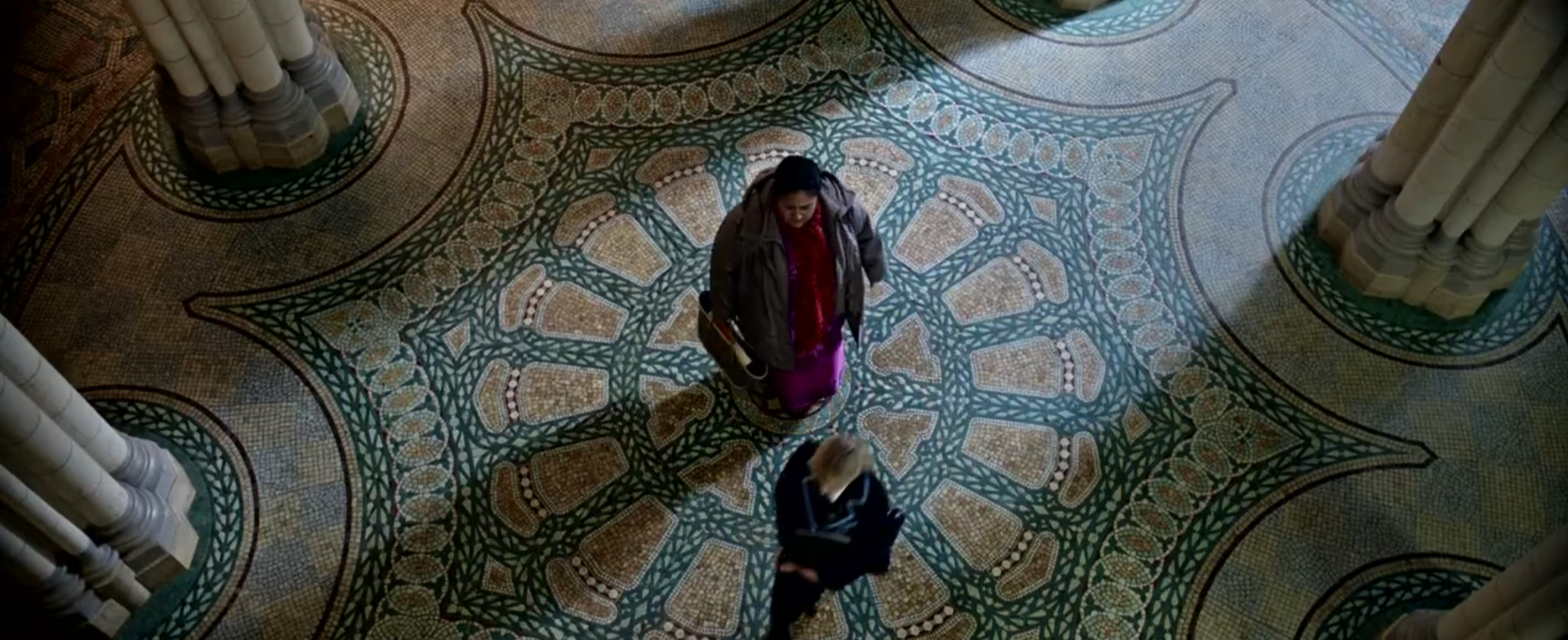
An overhead medium shot of Anapela Polataivao at Christchurch’s Art Centre. (PHOTO:
Madman Studios)
This commentary contains spoilers.
We follow an inspirational Pacific Island teacher in this indie feature film, led by a female lead, Ms Mareta Percival (Anapela Polataivao), affectionately known as
Tinā
(Mother). She is navigating the devastating loss of her daughter in the 2011 Christchurch earthquake, right after a phone call preparing her daughter for a prestigious singing audition. This detail is metaphorical to Tinā’s journey ahead.
She returns to work as a relief teacher at an elite school. She doesn’t quite fit in, and she doesn't try to. Instead, she brings her own empowering change against social norms.
What makes
Tinā
so special, however, is how it challenges what we expect the five stages of grief to look like. It shows small, painfully humane moments: pulling away from church and familiar faces when we’re so deeply engulfed with grief, holding tightly onto her late daughter’s belongings, and struggling to return to the lifestyle she once had.
Before the film properly begins, you hear a soft, beautiful hum fill the room. It’s Tinā’s humming, of course, music sets the language for everything that follows in the film.
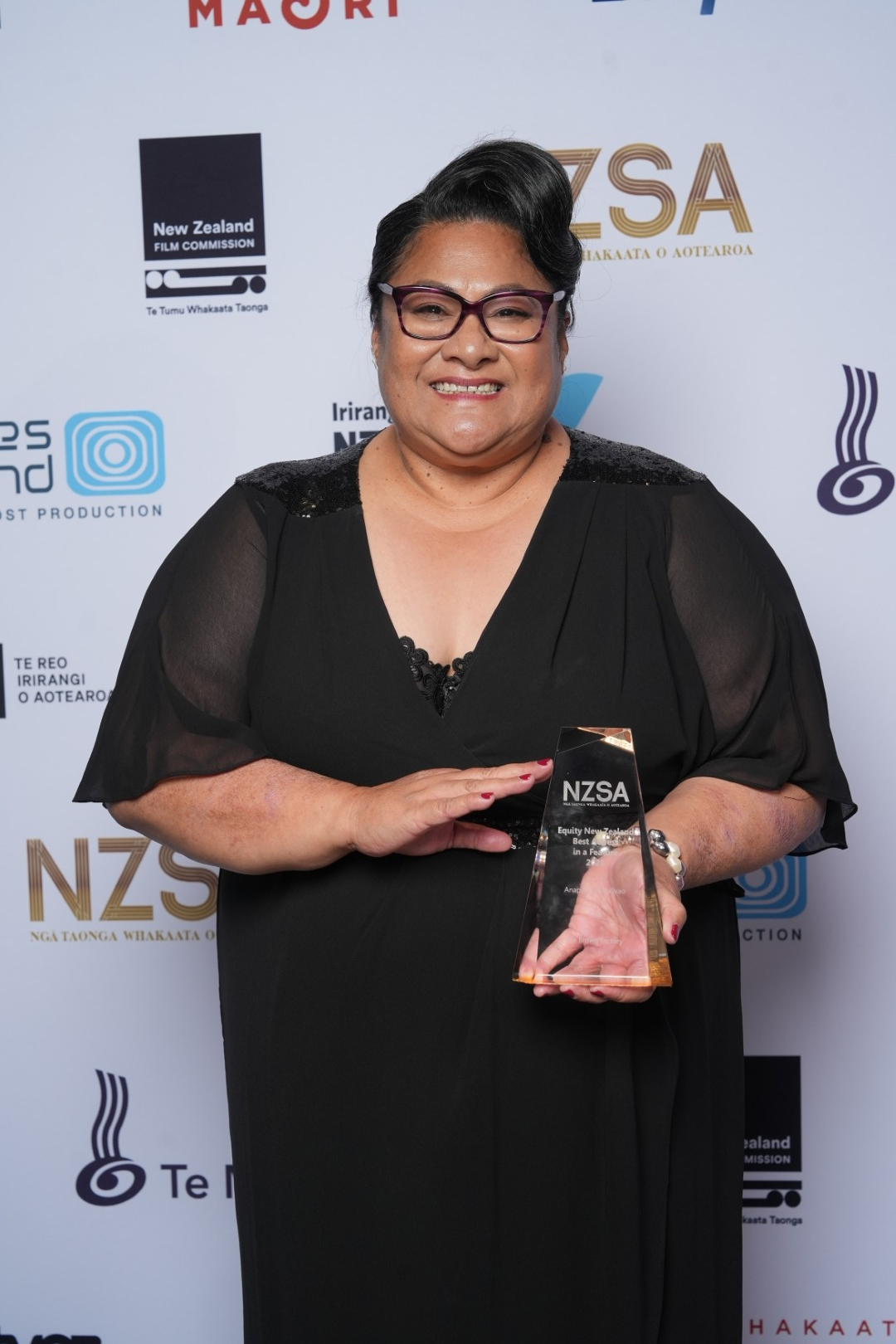
Glam shot of Anapela Polataivao, former high-school choir member and church choir conductor, celebrated as the award-winning Best Actress at the 2025 New Zealand Screen Awards. (PHOTO:
Kiwitv)
Tinā opened me to Samoan culture and the ways music heals us. I was especially moved by the raw wisdom found in the sweetly comedic teacher-student relationships.
It was Tinā protecting her student and asserting her ground in a white-dominated (palagi) space in the principal’s office that felt incredibly powerful, a sentiment I think everyone in the cinema shared. From my best research, and with a sincere apology to any Samoan readers if I haven’t caught the nuance, it translates to: “If you ever laid hands, or harm me or my boy. I would slit your throats open and break your head.” I loved how confrontingly motherly this feels to viewers.
WHAT IS SAMOAN CULTURE?
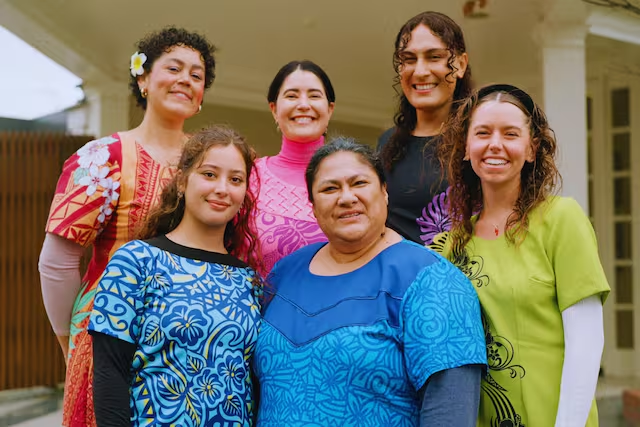
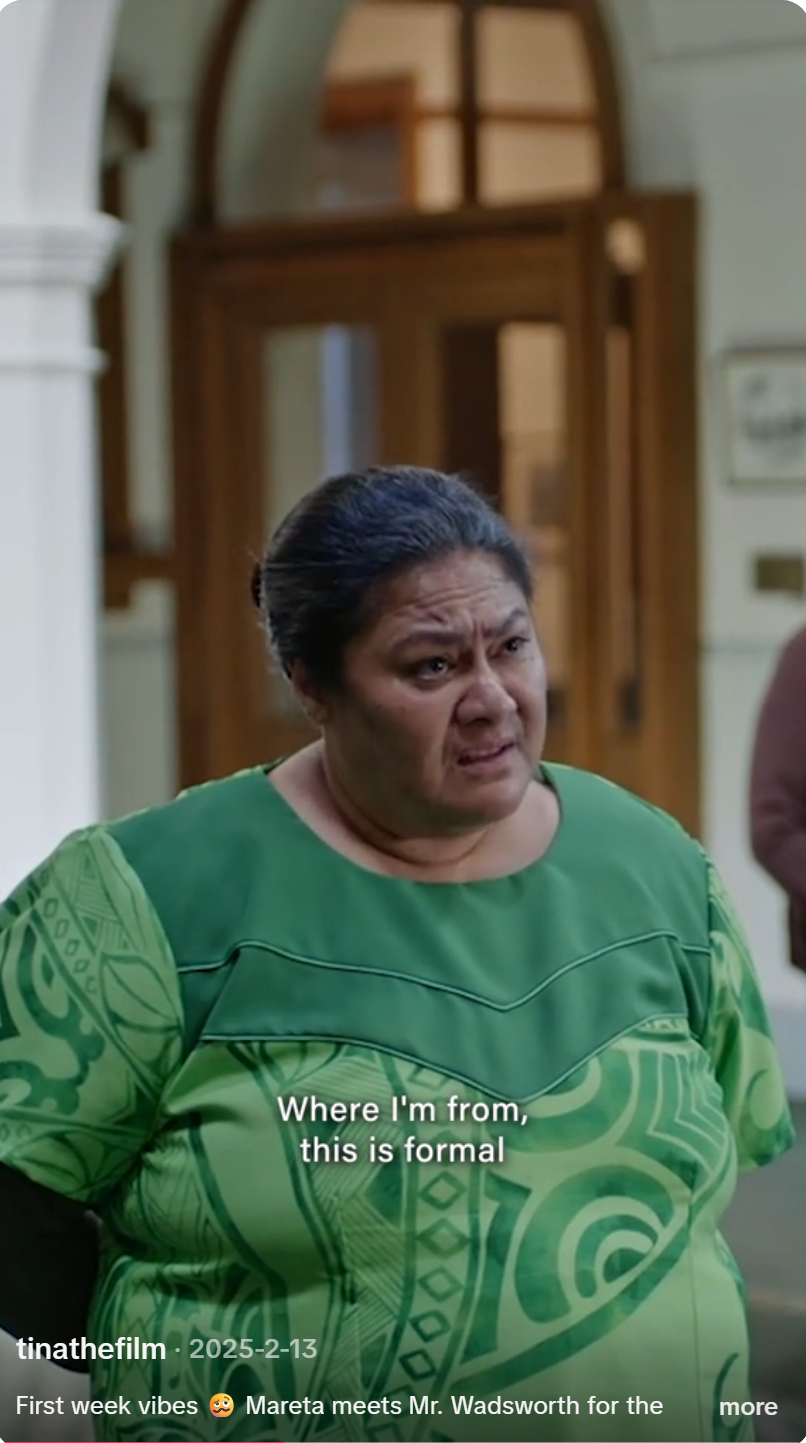
To better understand the film, it helps to appreciate that "Samoan" refers to the people and culture of the Samoan Islands. This is key to understanding Tinā herself, and because Fa’a Samoa (The Samoan Way) is about community, which mirrors what the choir becomes.
The Samoan Way is a code of behaviour that places family (aiga), respect for elders (matai), and the community at the centre of all things. They believe that people descended from the gods and heavens to inhabit these tropical islands, where their ancient stories continue to be whispered through song and dance. A Samoan upbringing trait that might be familiar to all, is
being able to read your mom’s eye, notably when they're unhappy, Polataivao says.
While all Samoans are Polynesian, not all Polynesians are Samoan. For example, Māori people of New Zealand are a distinct Polynesian group, as are the people of Hawaii, Tonga, and Tahiti. These cultures sit within the "Polynesian Triangle," which exists within the wider term, Pacific Islands (Oceania), where islands are divided into Melanesia, Micronesia, and Polynesia. Though distinct, it still connects them culturally to this region.
The Samoan language, Gagana Sāmoa, is a melodic Austronesian language held in high regard alongside English. In Aotearoa New Zealand, there is also Te Reo Māori and New Zealand Sign Language.
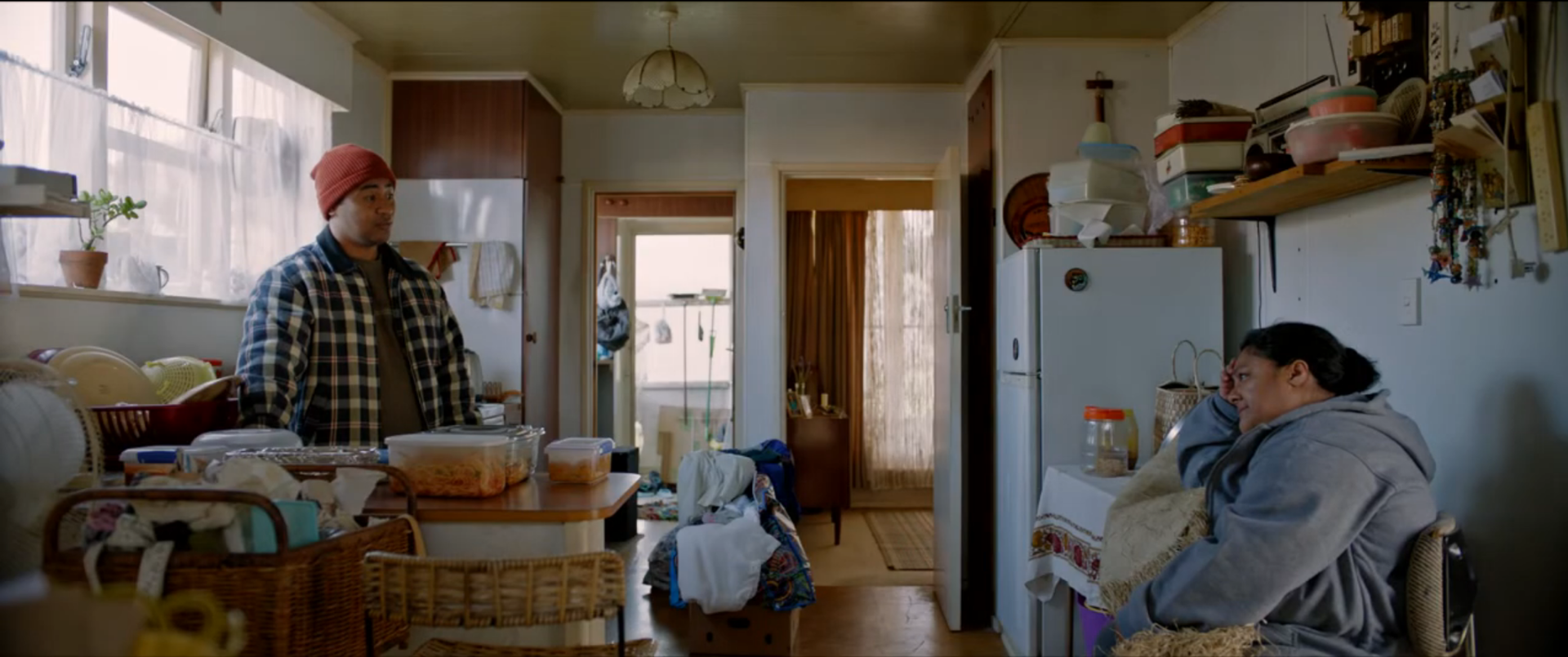
We see Ms Mareta Perceival holding the ‘ie toga in her arms while speaking with her nephew. (PHOTO:
Madman Studios,
Tina The Film)
More history is captured perfectly when Tinā opens her wooden chest and carefully sets aside the ‘ie toga. These fine mats are the result of a long, delicate weaving process using pandanus leaves; they are worn as ceremonial garments and carry immense cultural value.
I must admit, I wasn’t aware of many of these traditions before, and I feel truly grateful to this film for opening my eyes to such soulful rich heritage.
ON MUSIC
We see Ms Mareta Perceival holding the ‘ie toga in her arms while speaking with her nephew. (PHOTO:
Madman Studios,
Tina The Film)
As a music student, the experience was utterly visceral.
The film unifies people of different backgrounds through singing. From soaring classics like Indodana and O Le Taualuga, to the traditional songs, Lota Nu’u Ua Ou Fanau Ai, the soundtrack features
old-school European and New Zealand church songs carefully chosen with his parents, director Miki Magasiva says.
It is fascinating how Magasiva also found his inspiration from a viral clip of an
actual
Big Sing competition. This is New Zealand’s largest choral event, a nationwide secondary schools festival involving more than 8,000 students from over 250 schools across 10 centres. Knowing this made it feel all the more real.
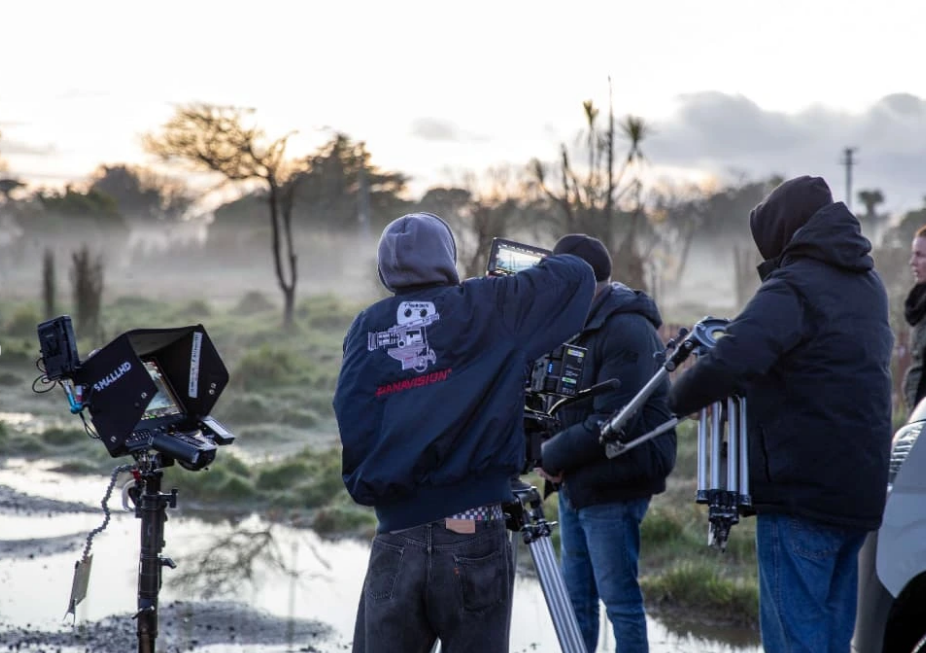
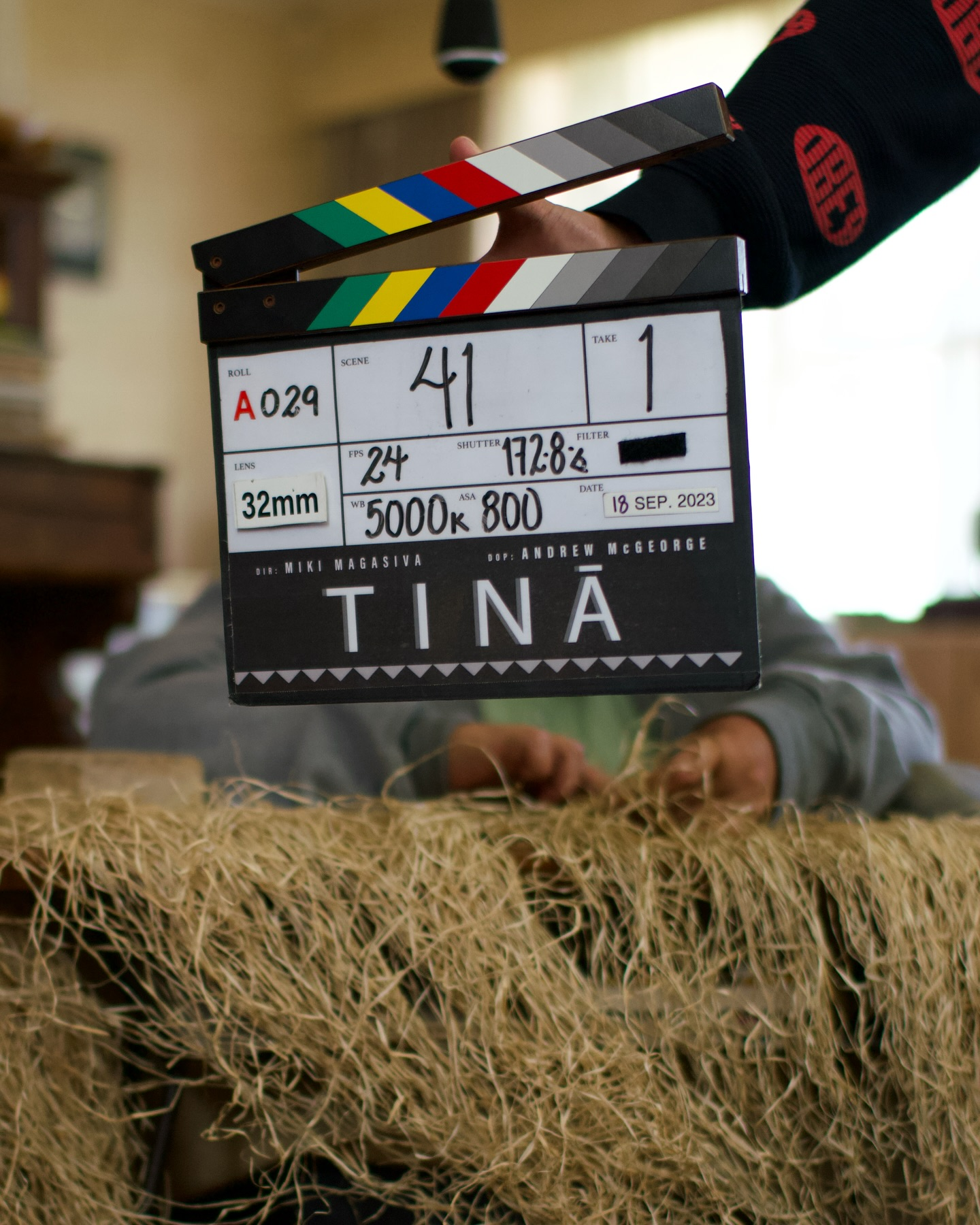
Behind-the-scenes filming of Tinā (PHOTO: Frank Dowle)
I had goosebumps from start to finish, and I still can’t fully comprehend the impact it had on me. My ears constantly picked up the subtle layers of sound — from the terrifying distant rumble of the earthquake set against the mundane hum of school and office life, to the rhythmic claps, footsteps, and intricate choral harmonies. The sound design was simply astounding.
Credit is certainly due to Taufaiula Ropati (Cultural Advisor), Mark Williams (Sound Recordist), Amine Ramer (Music Supervisor), Dr Igelese Ete (Choir Master), and the rest of the team for the authenticity and richness.
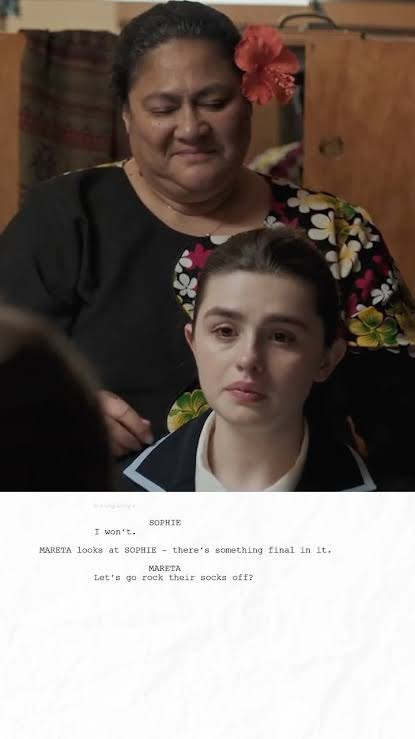
Tinā gives Sophie her late daughter’s, Lanita, Pacific claw clip, asking her to promise to never stop singing. (PHOTO: Tina The Film)
I’m not usually drawn to musicals. Yet I have never watched a film that left me with a strong sense of pride for music as Tinā did.
Music truly shapes the collective experience of the audience. Throughout the screening, I could feel the audience focusing together, with the entire theatre laughing from their bellies, agreeing distinctly and heavily tearing silently in unison.
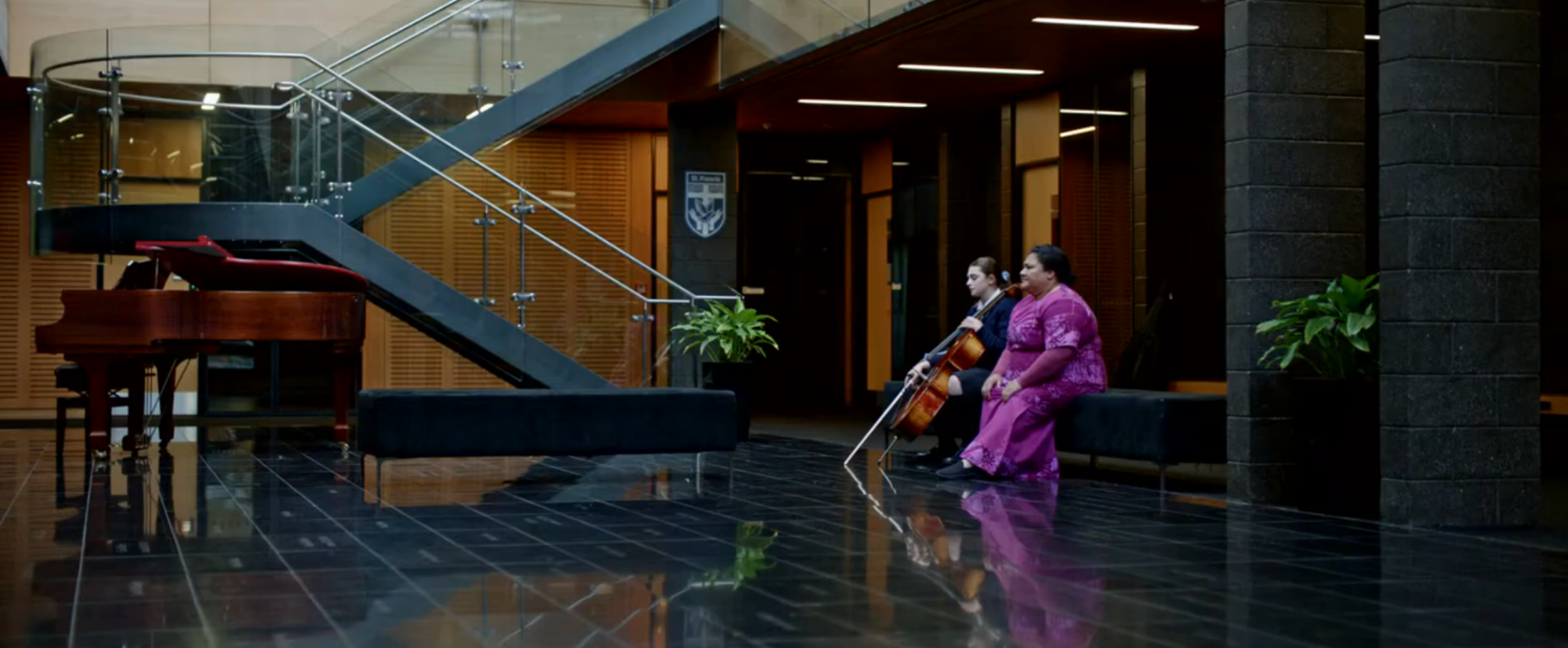
Ms Mareta Perceival and Sophie taking a moment together in the piano room. (PHOTO: Madman Studios)
On the other hand, we must remember that life, much like music, requires moments of quiet to simply pause and understand where we are. In a musical score, the symbol “𝄻”, rest marks silence, and though it can feel uncomfortable, it is necessary. We see this in Tinā’s journey; it took her three years before she felt capable to take those first brave steps toward regaining her strength and seeking help.
This is such an important conversation within the realm of mental health. There is immense bravery in stepping outside your comfort zone, especially when it feels as though the world has hurried on without you while you were standing still.
The film beautifully weaves this struggle together using various literary devices. We see symbolism in the slipper, foreshadowing through the looming threat of the earthquake, and heart-wrenching flashbacks, such as the moment she sees her late daughter on the bus. These motifs, alongside themes of passion, chosen family, and internal conflict, create a deeply layered story.
ON RELATIONSHIPS
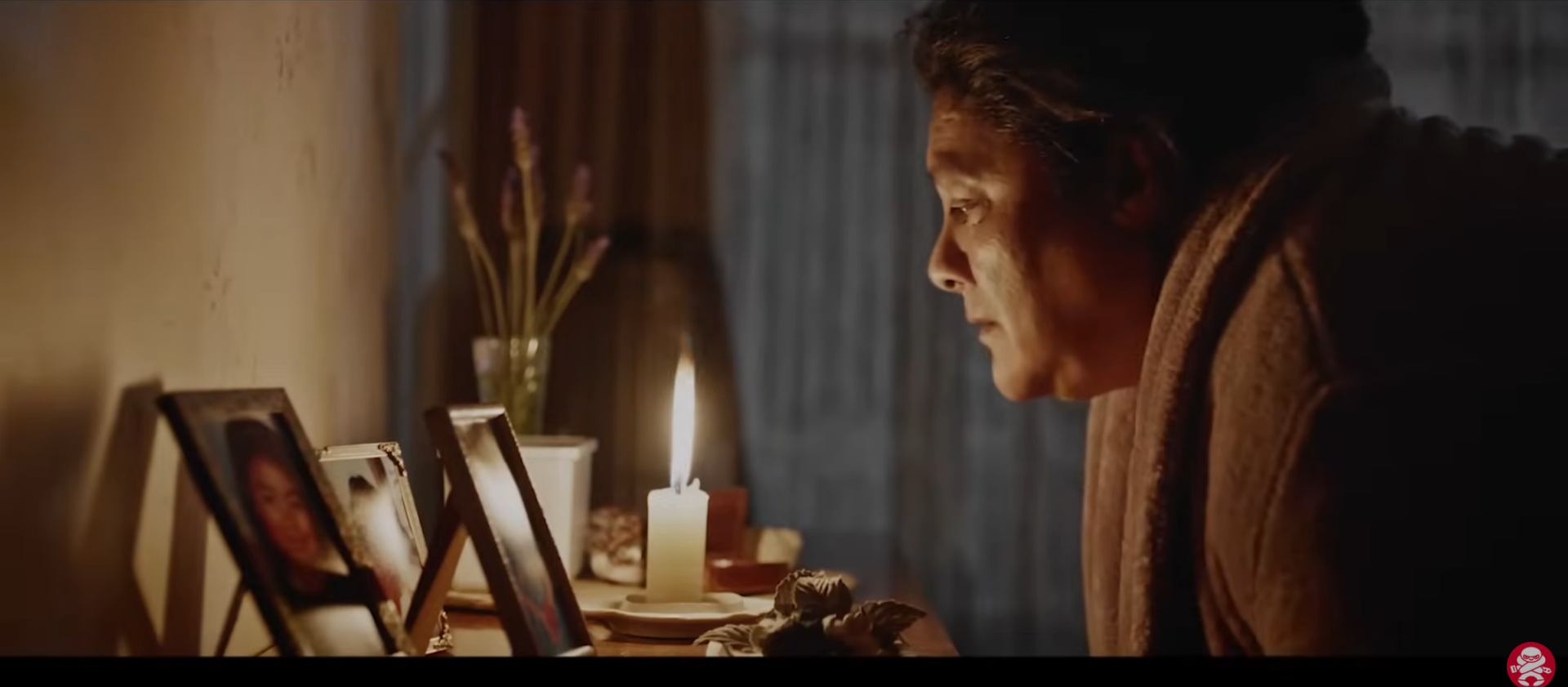
“You never know when you may not have your mum or your daughter anymore and so it’s very important to speak to each other with love,” Robinson, playing Sophie, says. (PHOTO: Madman Studios)
Whether set within a traditional school environment or elsewhere, it is the people around us who truly shape our lives. I liked how the film showed a support system blooming among the characters.
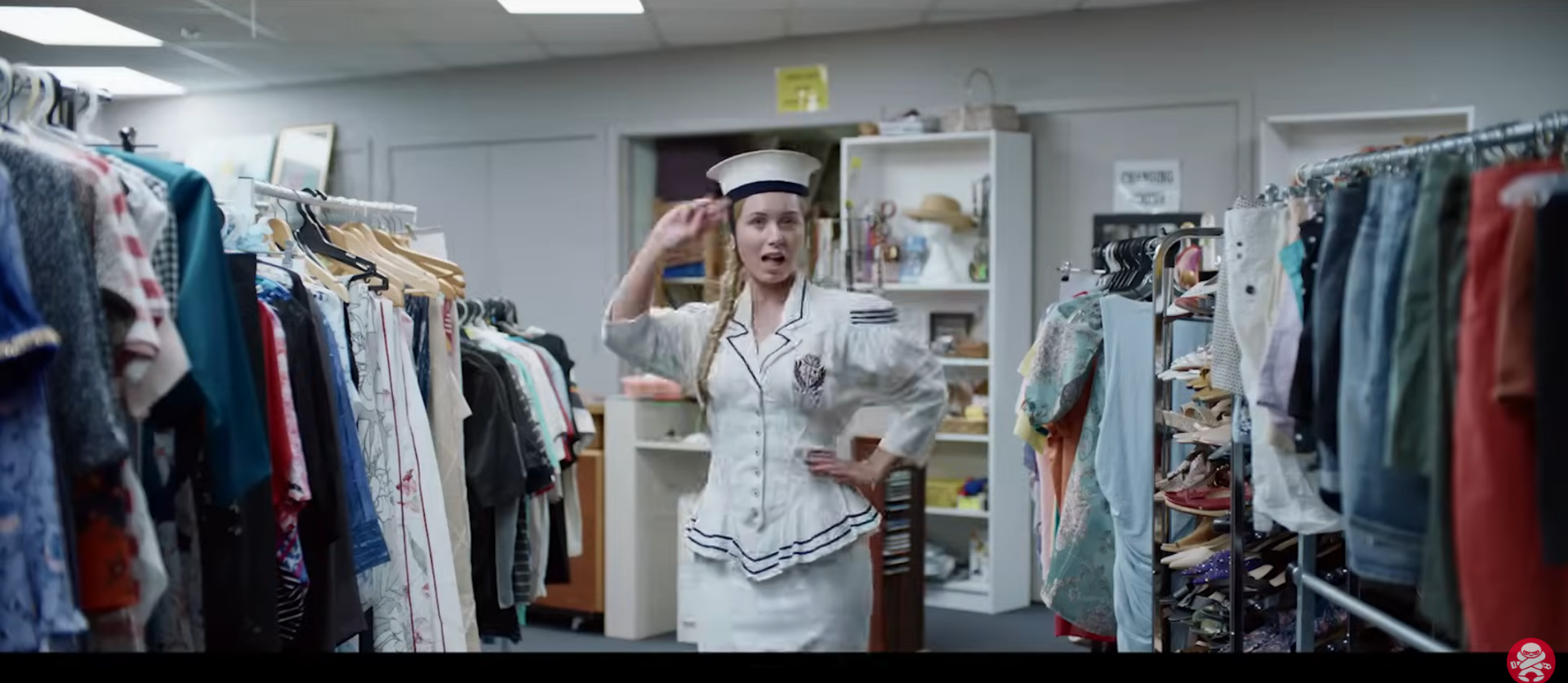
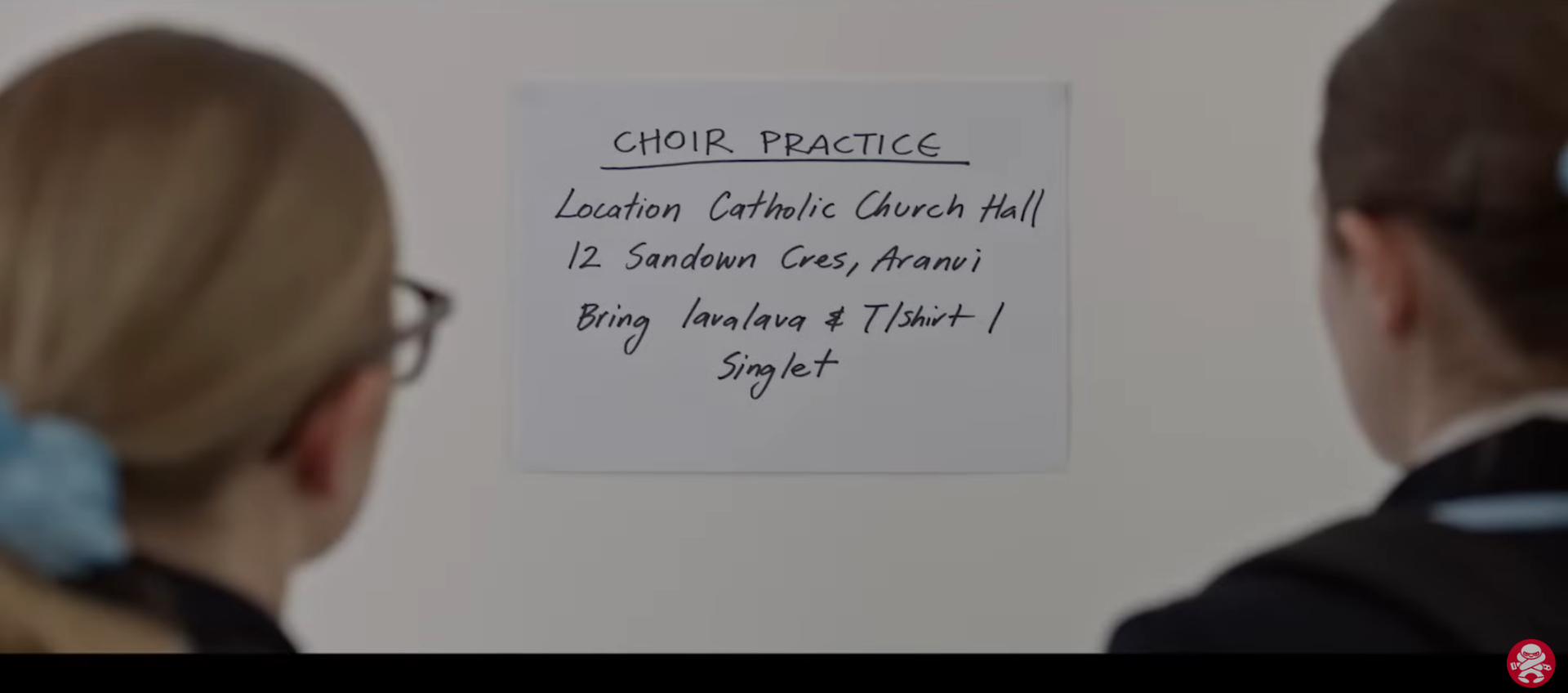
The choir, going to the thrift store to find clothing for White Sunday. (PHOTO: Madman Studios)
In an elite private school, where one might easily assume, as Anthony, a character in the film suggests, that the students are merely "rich and spoiled". Instead, the film reveals that everyone carries their own hidden burdens. Anthony’s journey reflects this: he grapples with the heavy expectation of the school’s head and his father, who chairs the school's board, as he navigates the conflict between gender expectations and his blossoming love for music.
Similarly, we meet Sophie, whose deep desire to study music at university mirrors the dreams of Ms Percival’s own late daughter. Yet, Sophie’s path is clouded by her own struggles with self-image, trauma, and the complex relationship she shares with her mother.
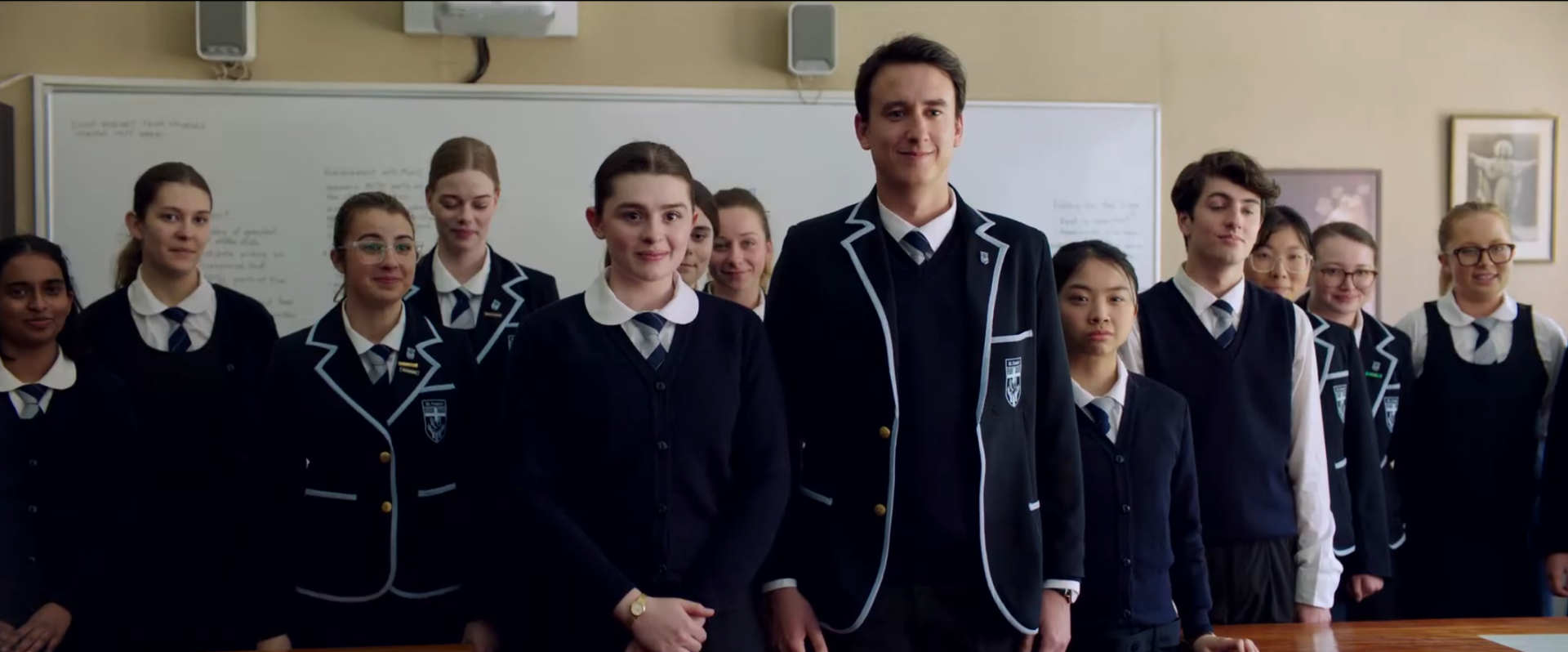
We see our four main characters side by side, Sophie and Anthony, June and Mei Ling. (PHOTO: Madman Studios)
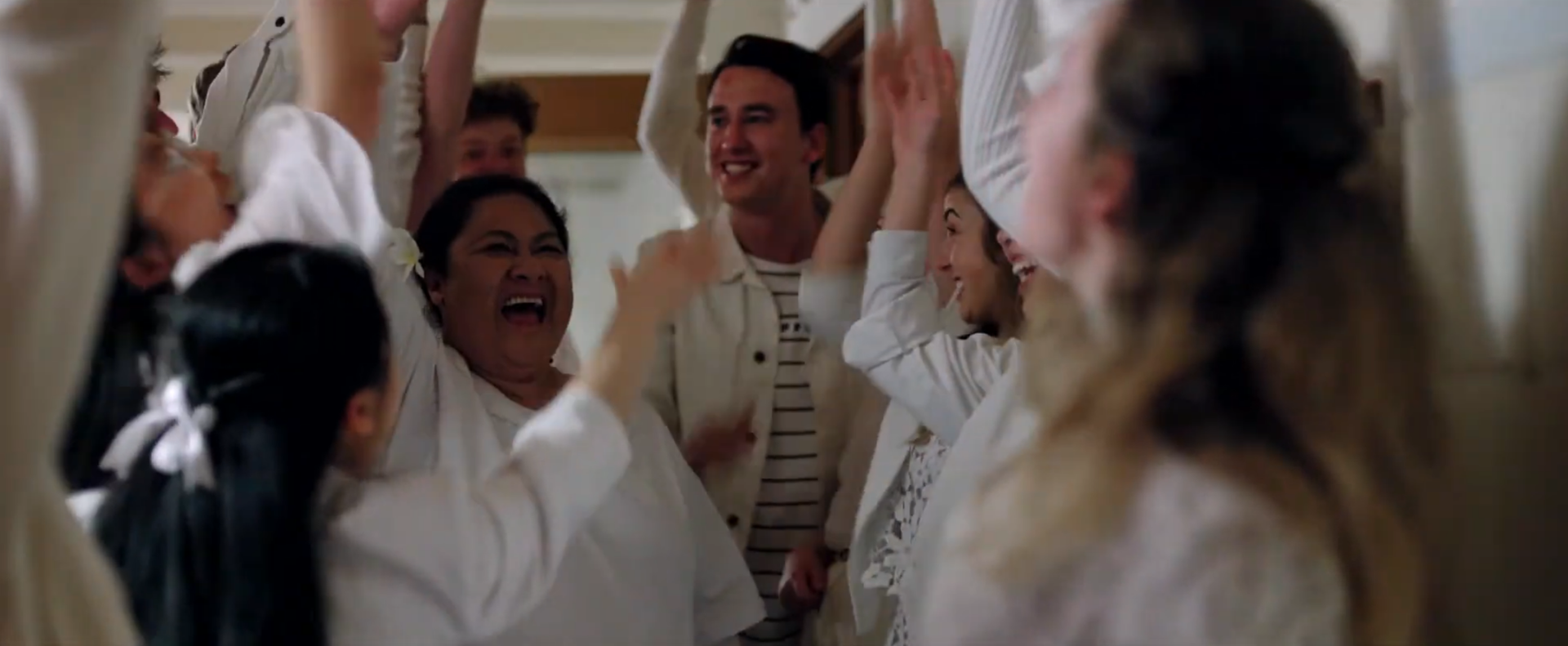
The choir cheering after their first performance at Ms Mareta Perceival’s Church. (PHOTO: Madman Studios)
In contrast, characters like June and Mei Ling bring a lighter energy to the group, reminding us of the simple joy found in a shared purpose. Through choir, all of the students find a sense of belonging that allows them to escape the pressure of their "picture-perfect" lives. In Tinā, they find a motherly figure who offers them the freedom to be themselves. I think most of us are lucky enough to have a role model like her in our own lives.
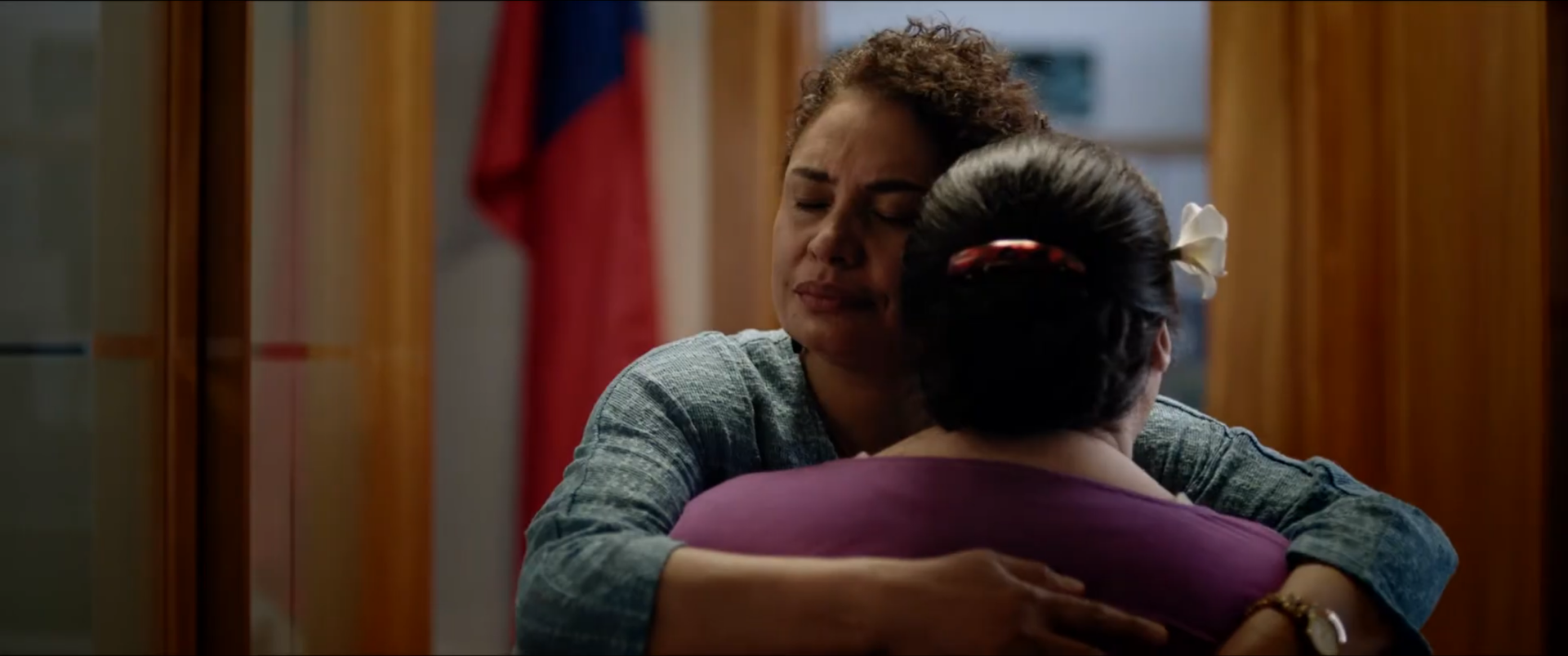
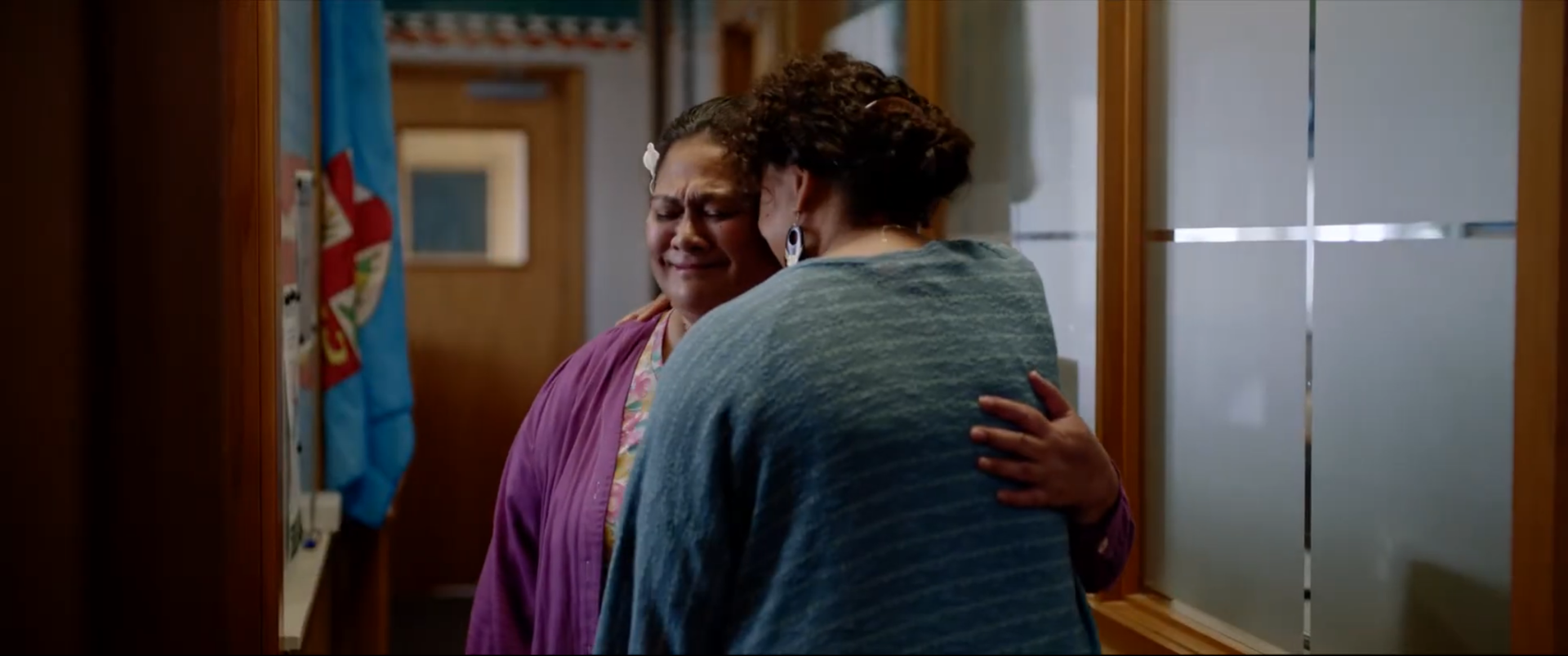
Ms Rona, in teal blue, comforting her best friend and former colleague, Ms Mareta Perceival. (PHOTO: Madman Studios)
It was also incredibly heartening to see Ms Percival eventually seek the support she deserved. Seeing her attend counselling sessions, encouraged by her nephew, who is also bravely attending his own, is a beautiful testament to the strength found in family.
In the wake of tragedies, films like
Tinā
bring us closer together. They remind us of the importance of walking beside one another every step of the way and uplifting our communal spirit. Such stories help us become more patient, more kind, and better equipped to care for one another. They encourage us to honour the past and prepare for the future, all while staying deeply rooted in the present moment.
I truly hope these reflections provide some comfort to anyone who has lived through a tragedy, knows someone who has, or has lost someone dear to them.
Kia Kaha everyone :)
---------------------
References
Kūmara, T. S. as. (2025, May 3).
The annoying maternal glare - can it be that all mothers (Tinā) have it?. The Annoying Maternal Glare - Can it Be that All Mothers (Tinā) Have it?
https://tui24.substack.com/p/the-annoying-maternal-glare-can-it
---------------------
About the author: Shree is a multifaceted, bubbly gal living her daydream of being a writer. She is drawn to films that address universal issues and traces how society is built, layer by layer. She hopes that by conducting this analysis, she can learn more about the world and encourage conversations about humanitarian rights. Mostly off social media, Shree believes in traditional ways of preserving memories through a junk journal. She cares deeply about the environment, and if you have spent enough time with her, there is a good chance the receipt from that day is tucked inside one of her pages.
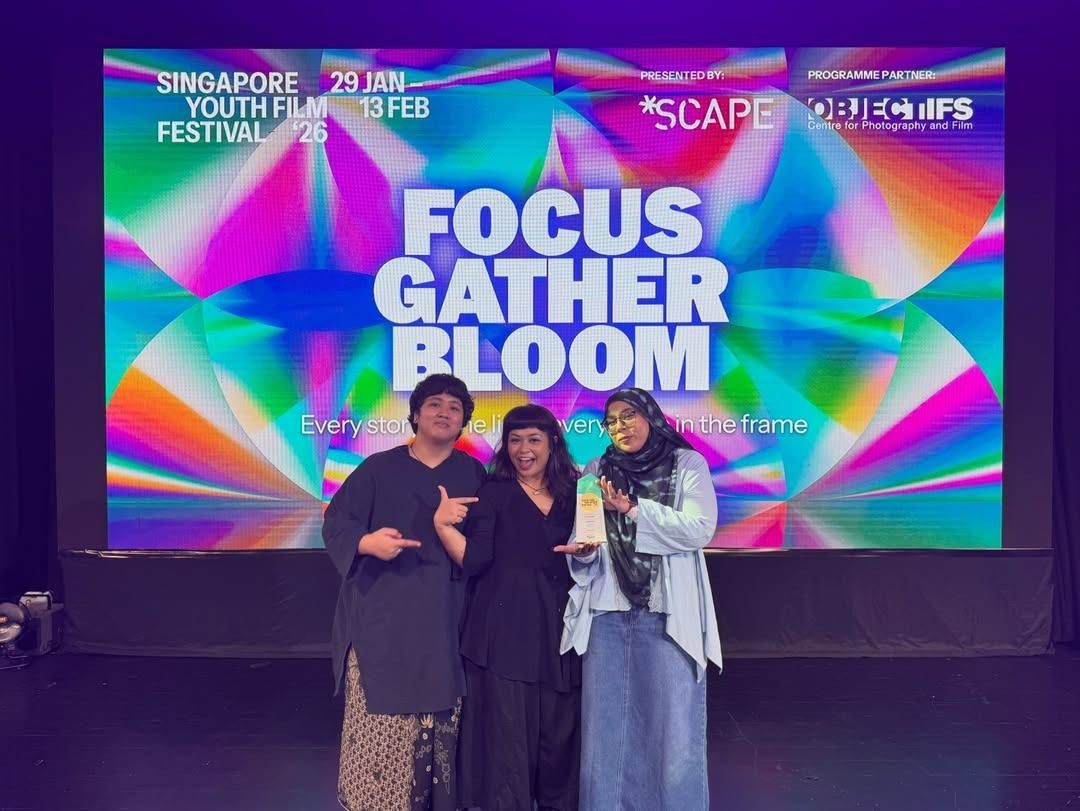
This review is published as part of *SCAPE’s Film Critics Lab: A Writing Mentorship Programme, with support from Singapore Film Society.
Recent Posts