The martial arts genre has seen an evolution in how it’s made, primarily in how action sequences are choreographed and then shot. Popularity-wise, martial arts cinema, in the wider scope of the action genre, has had its more niche but dedicated fanbase. With favourites like
The Raid in 2011, and more recently,
Everything Everywhere All At Once in 2022, action choreographers and cinematographers have created new expectations and found ways to entice audiences with the fights they see on screen.
The Furious, directed by Kenji Tanigaki, challenges the limits of what audiences have come to expect, asking if martial arts films can continue to push boundaries.
Fans of
The Raid would be familiar with Joe Taslim and Yayan Ruhian, the latter having impressed audiences with his role as Mad Dog. Brian Le, who started off as a stunt actor, was introduced to the global audience in
Everything Everywhere All at Once. Joining the fray are Xie Miao and Joey Iwanaga. Miao plays a mute father looking for his abducted daughter, while Iwanaga is the ruthless triad boss. Miao might not be as familiar to international audiences, but back in China, he found fame as a child actor playing Jet Li’s son in
My Father Is a Hero (1995). Taslim plays Navin, who is searching for traces of his wife, who went missing while investigating a child trafficking ring.
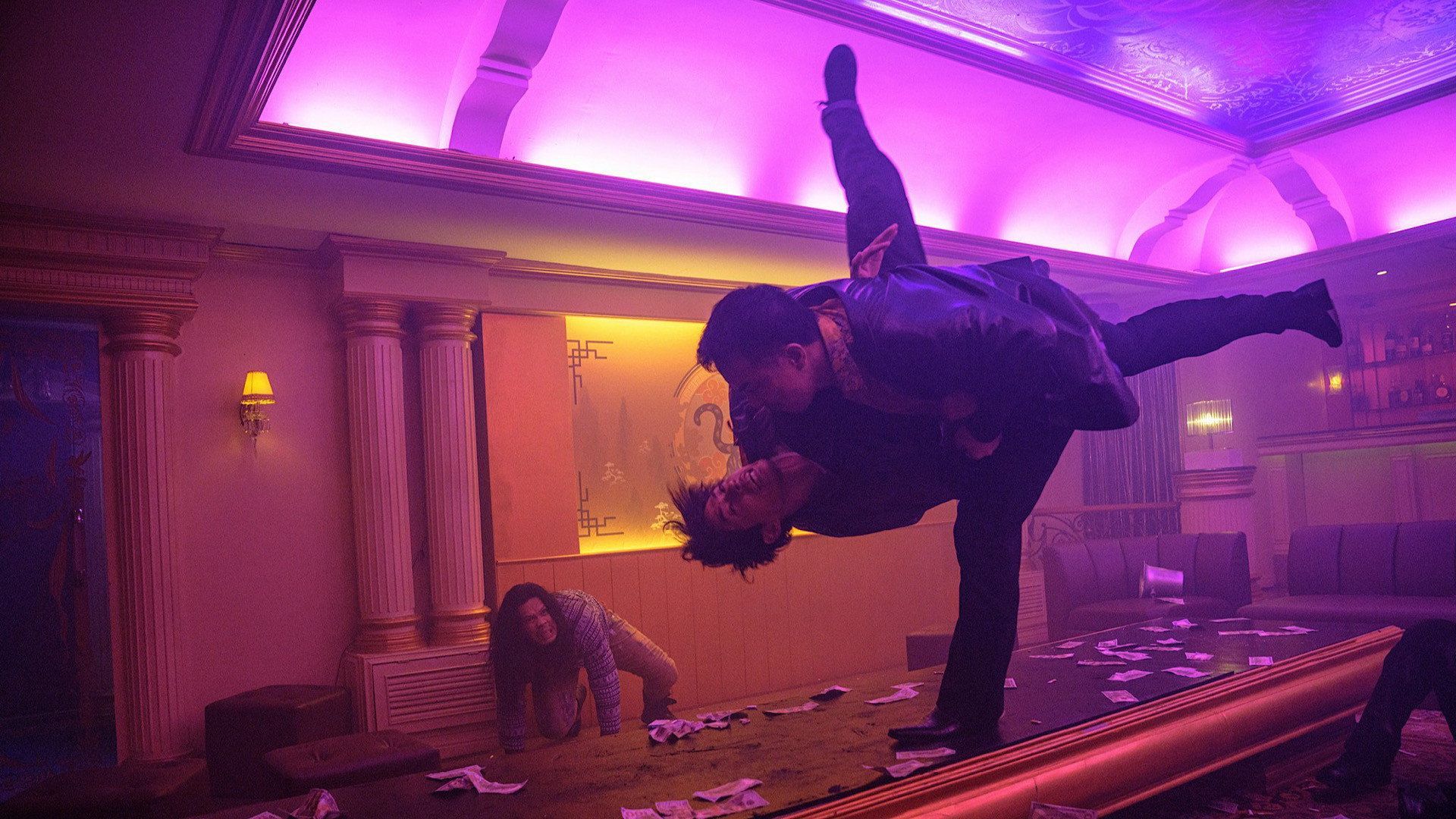
Each actor portrays their own speciality in the film; Taslim is trained in judo, while Ruhian practices pencak silat. Miao, like Jet Li, was also a wushu champion. It’s not too often that you see a martial arts film that intentionally creates this diversity in styles. Le’s physique positions him as the hulking heavyweight with extreme strength and resilience. Performing stunts is an art in itself, and is something that Le’s background adds to the way he is able to deliver the impact onscreen. Iwanaga, who is a dancer by training, goes full-out with the kicking.
Something magical happens when studios allow the experts to do what they do best, and give them the creative reins to create explosive, dynamic movement. Tanigaki, who earned his stripes as an action director for movies like
SPL: Sha Po Lang (2005) and
Rurouni Kenshin
(2012), recruited martial artists from various backgrounds, casting actors like Taslim, Ruhian and Le, who have proven themselves both as proficient martial artists and action stars. They might speak different languages and come from different schools, but they find unity in their passion to make action movies.
Tanigaki’s own experience working in the Hong Kong movie industry rubs off, and makes the film feel like a martial arts movie from the golden era. It’s also not a stretch to say this would feel at times like a Hong Kong martial arts flick. Bill Kong, who produced this, was also responsible for Ang Lee’s
Crouching Tiger, Hidden Dragon
(2000) and Zhang Yimou’s
Hero
(2002), films that involved the same creative forces that shaped the modern martial arts scene in Hong Kong cinema.
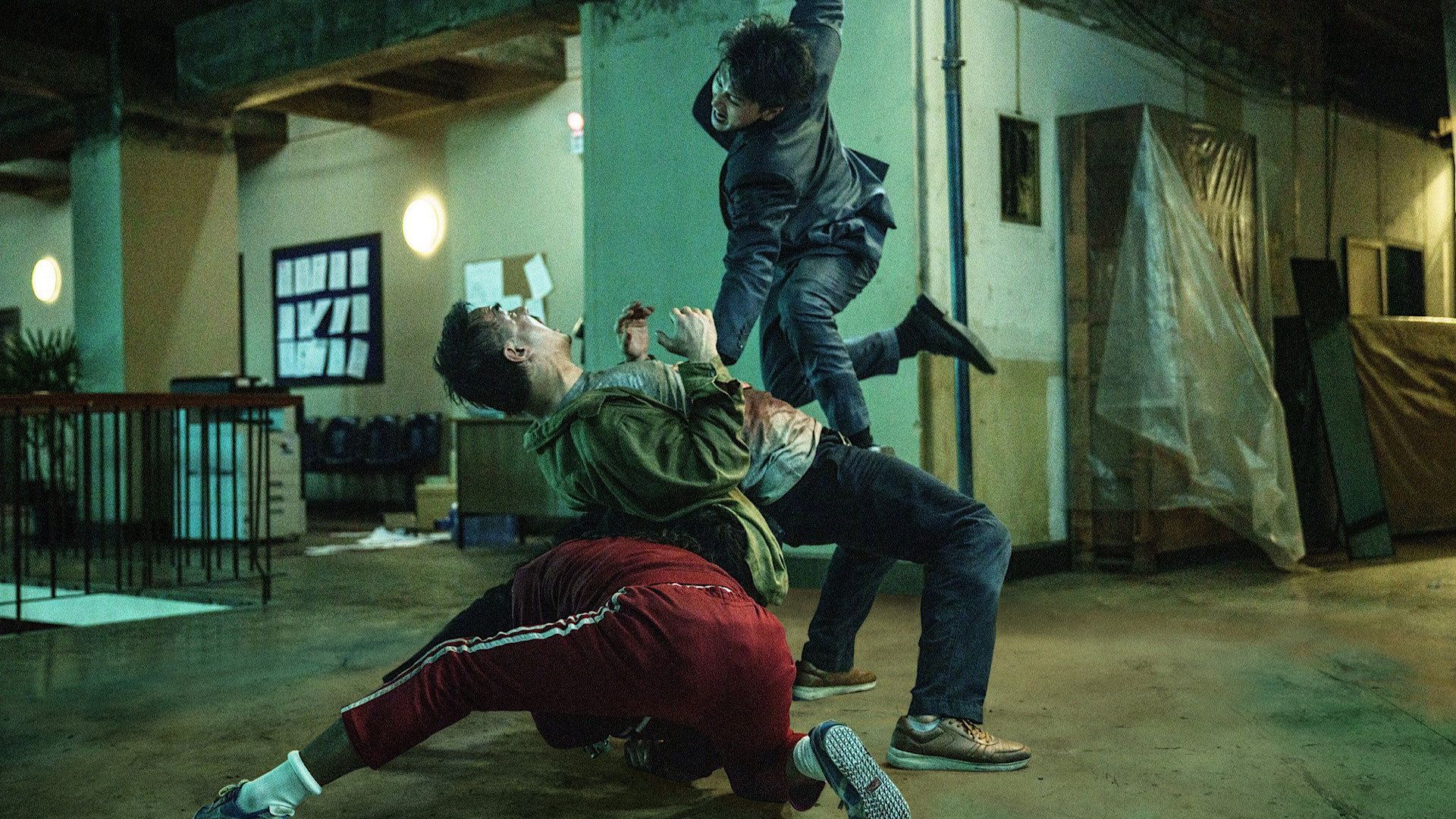
While casting martial artists in an action film isn’t breaking new ground, having that many styles in the same film is what makes it all the more impressive when they can find synergy with each other. Seeing combative judo go hand in hand with kungfu and pencak silat invites new ways to choreograph a scene. Like a dance, the movement of fists and limbs finds a way to complement or taunt each other. In the first fight between Miao and Taslim, Miao shrugs off his jacket and rolls up his sleeves once he realises Taslim is trying to grapple him. This gambit evens the playing field, showing an awareness of the situation.
What makes an action scene feel immersive is having unbroken shots, when you can see the actors move around each other. This means having repeated rehearsals so that everyone knows where they’re supposed to be. The more actors there are involved, the more complex this choreography becomes.
The Furious executes these sequences like a grotesque ballad, where instead of the actors flowing with each other, they’re moving against each other, one trying to oppose the other. In the third act, an intense 2v2 fight takes shape when Miao and Taslim go up against Yahyan and Joey. Even in the chaos, their distinctive styles create a separation, also aided by the different outfits they wear.
Numerous elements go into creating a film like
The Furious, from casting actors of different backgrounds, to harnessing their different combat styles to choreograph high-octane fight sequences.
The Furious feels like an accomplishment of everything that a modern martial arts movie can aspire to be.