Cannes Film Festival: All of a Sudden

Sylvia Loh • July 22, 2026

Share this article

Cannes Film Festival: All of a Sudden


By Sylvia Loh

Ryusuke Hamaguchi’s All of a Sudden unfolds tenderly and enraptures you, and before you know it, you're sobbing (but somehow still smiling) as the end credits roll.


The thought of watching a film with a runtime of 196 minutes (3 hours and 16 minutes) at 9am might seem daunting, especially if you’re a night owl running on 5 hours of sleep. Thankfully, Hamaguchi’s latest entry takes the audience by the hand and gently leads them around his playground of grand ideas, mediated by the kindred spirits that are the protagonists of his film. 

Credits: Cinefrance International

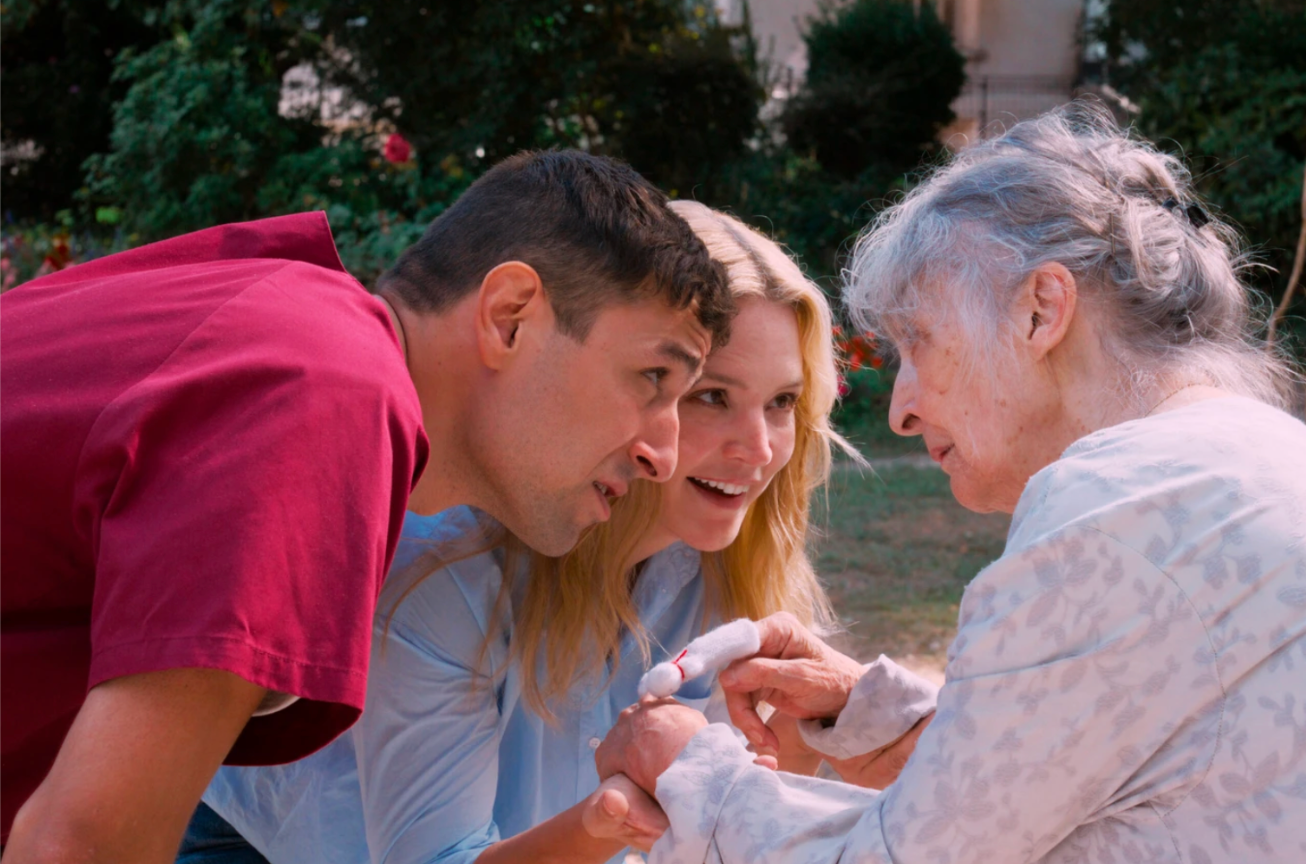
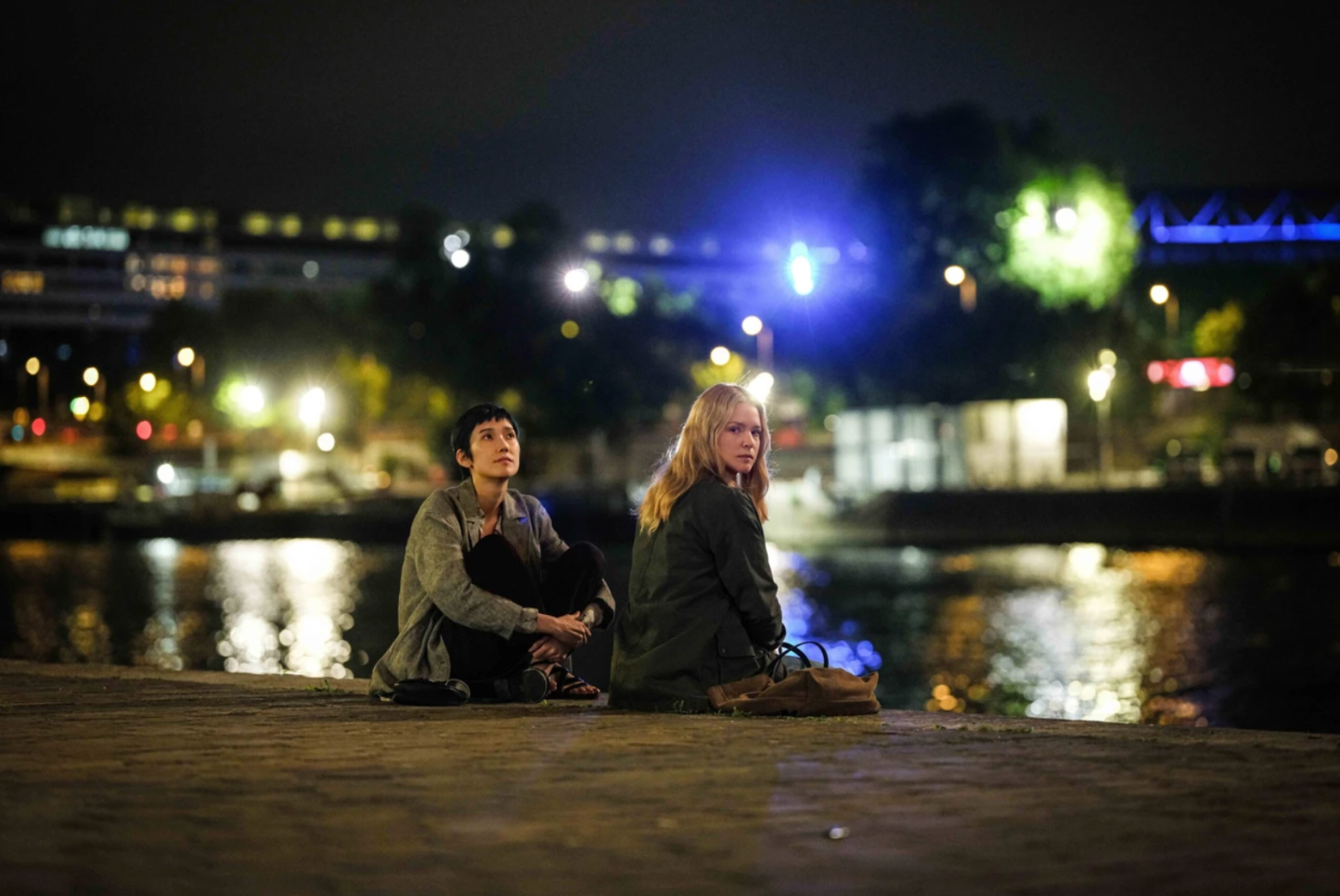
All of a Sudden begins in the suburbs of Paris, where we are introduced to Marie-Lou (Marie), played by Virginie Efira. As the newly appointed director of an eldercare facility, Marie strives to introduce a new, compassionate caregiving approach, but is met with resistance from her senior staff members. A cascade of spontaneous events leads to Marie meeting with Japanese theatre director Mari, played by Tao Okamato, who reveals that she is battling late-stage cancer. Together, the two women inspire and support each other in pursuing their endeavours.


As I’m writing this, I'm finding it rather difficult not to describe this film in an overly saccharine way. It's hard to capture the sheer warmth and optimism that wash over you as you leave the theatre without making this film sound like the cheesiest, corniest Cannes feature. But even as someone who expended quite a few tissues in the aftermath of this film, I can’t help but describe Hamaguchi’s latest work as a ray of sunlight. 


This is not to say that the film is lighthearted and cheery — after all, Marie and Mari are literally in close proximity to death. Marie’s encounters are external, ie. elderly patients who require palliative care, while Mari’s confrontation is very internal. But it is precisely in contrast to this contiguity that the women’s shared resilience is so stirring.


The first act of the film centres on the charm of seeing two people discover each other, and connect on a fundamental level. From Marie and Mari acknowledging that their names are homophones, to language being masterfully deployed as a device to show the characters’ intrinsic understanding of each other, Hamaguchi successfully captures the essence of meeting a new person for the first time and realising that you share the same wavelength. 


From there, in the spirit of a cheeky sleepover, the characters quickly progress to the vulnerable examination of modern life and the kind of existential questions posed only after midnight. It is here that the film unfurls its philosophical wings and takes flight.

Credits: Cinefrance International


"Make the impossible, possible”


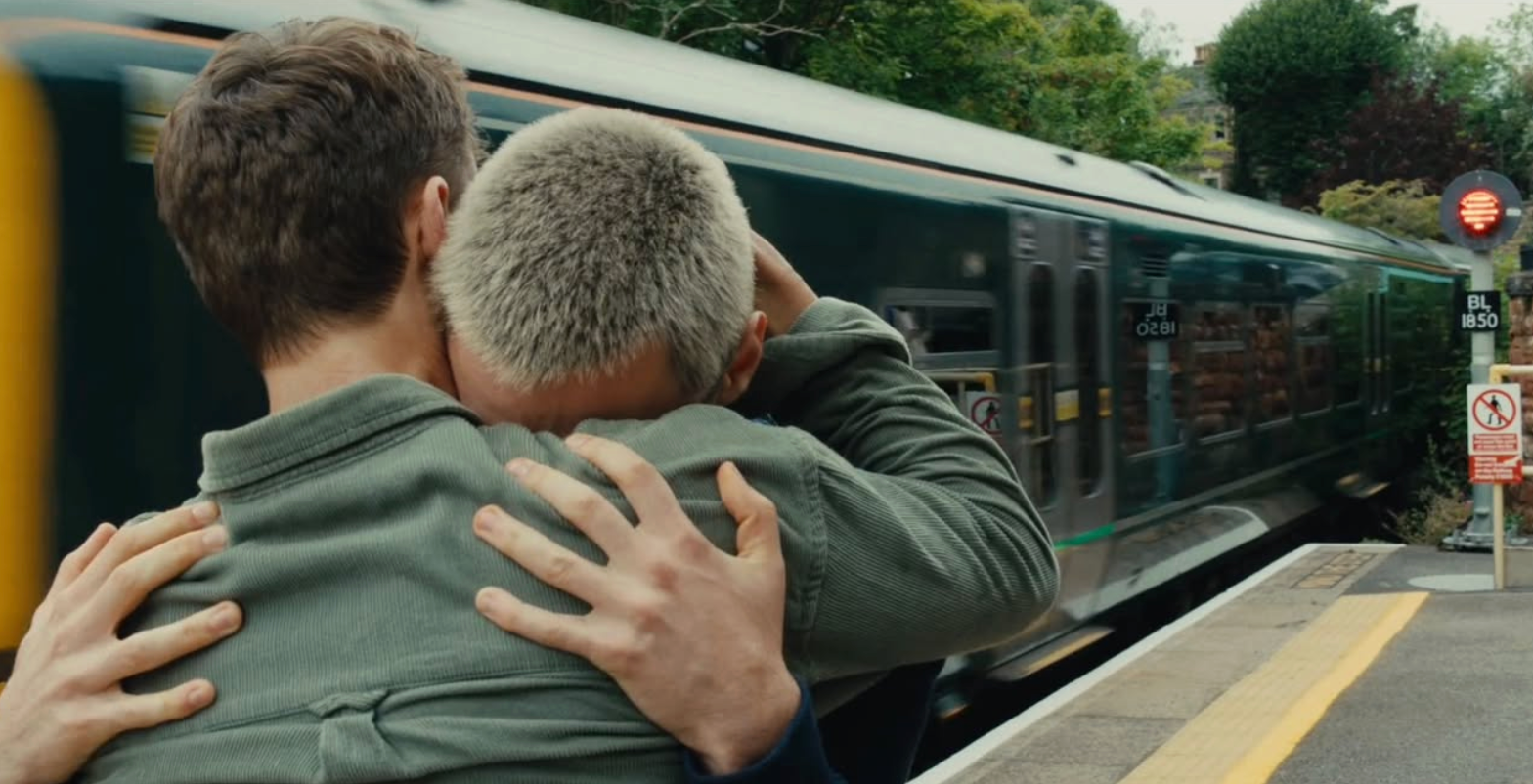
Hamaguchi’s camera glides serenely along as he balances complex exposition with enough breathing room, allowing the audience to take in and reflect on the ambitious, vast theories his characters engage with. Marie and Mari’s profound conversations and intense exchanges are also paired with delicate visuals that convey a temporal fragility, making full use of the medium to impart the preciousness of the time these characters are spending together. 


Despite the trials and tribulations faced by Mari and Marie, their optimism and determination are infectious, and Efira and Okamato deliver sublime performances, fully inhabiting their roles to transmit these emotions across the screen. 


“I want to live”


Through its 196-minute runtime, the film never feels self-indulgent or bloated. Instead, every minute contributes to the audience leaving the cinema with the hope that the impossible can be made possible, and the courage to realise such possibilities.


In the face of a society that is seemingly antithetical to human dignity and welfare (see: climate collapse, AI deepfakes, and soaring inflation rates), All of a Sudden is a deep, centering breath. Hamaguchi’s extraordinary humanist masterpiece fills your lungs with a life-affirming hope to carry on, faith that we can all care for each other, and the belief that a better world is possible.

About the author:  Sylvia believes that art is an important medium for change and is on the hunt for films (and art in general) that move and inspire. 

Outside the cinema, she may be found engaging in other "C"s — climbing, crafting, and concocting plans with friends to escape the corporate rat race.


Instagram: @sylvia_loh 

Letterboxd: SVL99


Recent Posts

By Pearlin July 22, 2026
Commentary: How Hamlet Keeps Hamnet Alive 
By Sylvia Loh July 22, 2026
Cannes Film Festival: Elephants in the Fog By Sylvia Loh
By Sylvia Loh July 22, 2026
Cannes Film Festival: Coward By Sylvia Loh
By Sylvia Loh July 22, 2026
3 Days in Cannes Reflection By Sylvia Loh
By Yong Xiang July 15, 2026
Balang Araw and The Loneliness of Motherhood
By Shree July 9, 2026
Inside the Film Critics Lab at Singapore Youth Film Festival 2026, conversations with organisers, industry voices and fellow critics offer a glimpse into learning the language of cinema and how stories travel far beyond the places they are made.
By Zhuo Chengsheng July 6, 2026
Disclosure Day: A Defence and Autobiographical Reading 
By Shree July 3, 2026
Tinā (2024): How Music, Culture, and Community Help People Rebuild After Tragedy Written by: Shree
By Ivan Chin July 2, 2026
The Furious: A Marriage of Styles
Show More