Cannes Film Festival: Elephants in the Fog

Sylvia Loh • July 22, 2026

Share this article

Cannes Film Festival: Elephants in the Fog


By Sylvia Loh

Motherhood is a nebulous concept, anchored only by the fact that the relationship bridges two beings - a mother and child. A traditional conception of motherhood would entail a multitude of responsibilities being placed on the mother figure. From having to physically sustain the child, to guiding them socially, and fulfilling them emotionally, mothers bear an immense load in ensuring their child’s welfare and proper acceptance by their community.


“Mother” is also the role bestowed upon the main protagonist of Abinash Bikram Shah’s progressive directorial debut — Pirati.

Credits: Best Friend Forever

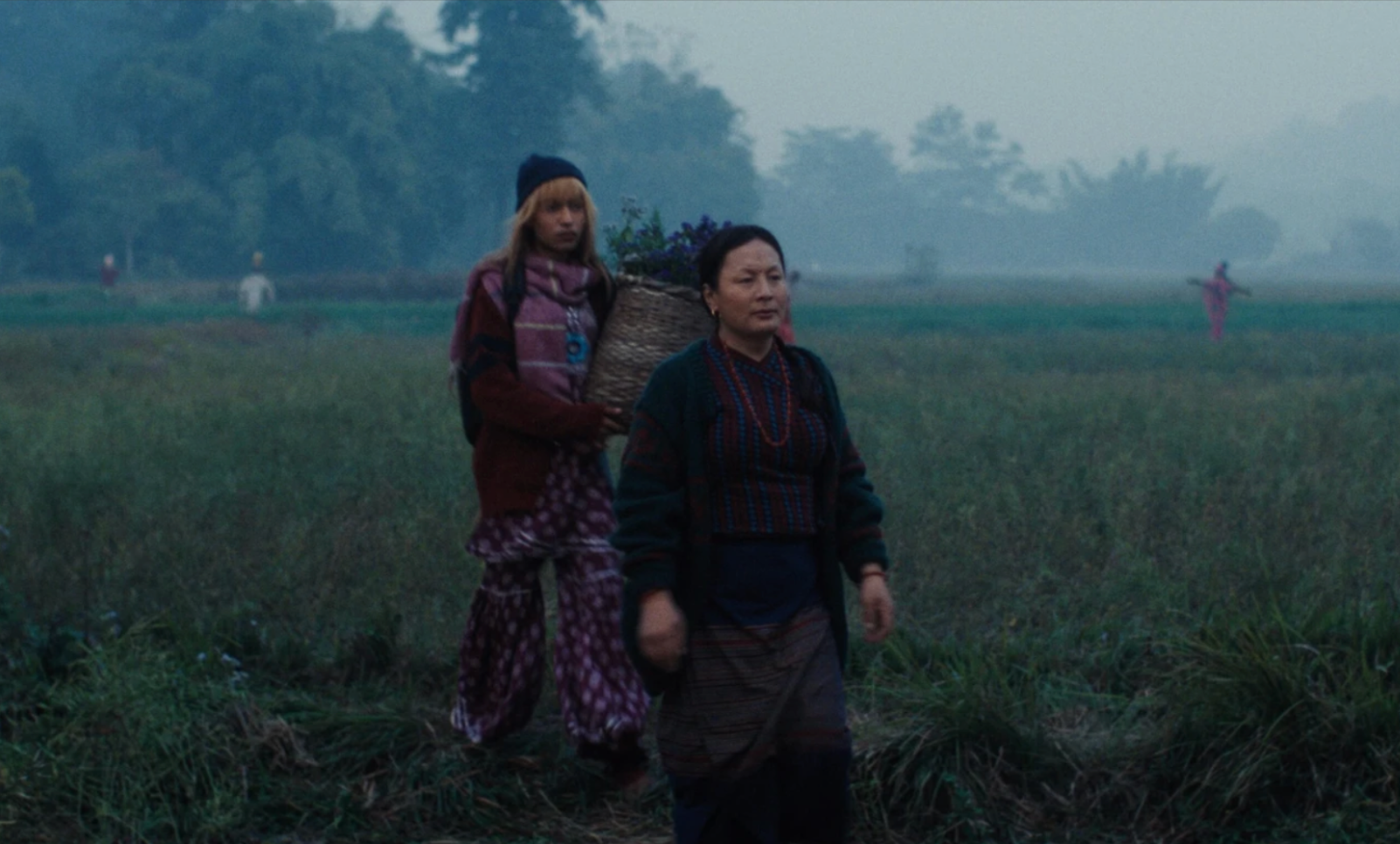
Pirati and her three daughters, Apsara, Maya, and Chameli, reside in a grey cottage nestled deep in the lush lowland forests of Chitwan, Nepal. Although the women are still involved in the activities of their neighbouring village, the cottage sits on the village outskirts, and this physical distance is the first indication that the women are not “regular village folk”.


Pirati and her family are Kinnars, a term used in the Indian subcontinent to refer to transgender or third gender people¹ . In the film, the Kinnar community is headed by a guru, who appoints a “mother” to lead each Kinnar household. The Kinnars are also bound by their own code of conduct, which includes an oath of chastity.


However, the Kinnars are not the only matriarchal society in this story. The titular megafauna native to the Chitwan forests are members of female-led communities as well. Like human mothers, Elephant matriarchs are responsible for the welfare of the herd, and their wisdom is essential to navigating droughts, storms, and the Anthropocene.


The story of the Kinnars told in the looming presence of the elephants of Chitwan prompts the question: How do you exist, and “mother”, in a society not built for you? 


The Kinnars and the elephants in Nepal occupy similarly precarious positions in society. Simultaneously revered and shunned,
² ³ both are bound by invisible lines (or a fog, if you will), constructed and enforced by mainstream society. These lines are often at odds with their own community traditions, and the situation is further complicated when they conflict with the mother’s personal desires. Shah suggests these boundaries through parallels to electric fences, patrols, and ceremonies to keep the elephants at bay, while also providing more explicit examples of the transactional, utilitarian relationship between the Kinnars and the villagers.


Using simple tracking and close-up handheld shots, Shah allows us to keenly observe the choices Pirati makes, as she attempts to fulfil her obligations to her children, the Kinnar community, the village, and herself. Pirati’s role as a mother is truly tested when one of her daughters, Apsara, disappears after learning about Pirati’s decision to break her oath of chastity and elope. As she increasingly crosses invisible lines to defend her family, her contraventions are met with adverse consequences which require a mother’s love, grit, and sheer determination to endure.


Credits: Best Friend Forever

Elephants in the Fog does not try to streamline the stakes and challenges faced by the Kinnars in the interest of a clearer narrative. Instead, it endeavours to capture the complex lives of characters who are oft overlooked by heteronormative society, pulling the audience headfirst into the Kinnars’ strained existence. 


Although the film does not conclude with an unequivocal resolution, Shah’s tactful, intimate examination of “Mothering” stirs a quiet rage in the audience, urging them to reflect and extend empathy for the “othered” Mothers that are so often unnoticed.

About the author:  Sylvia believes that art is an important medium for change and is on the hunt for films (and art in general) that move and inspire. 

Outside the cinema, she may be found engaging in other "C"s — climbing, crafting, and concocting plans with friends to escape the corporate rat race.


Instagram: @sylvia_loh 

Letterboxd: SVL99


Recent Posts

By Pearlin July 22, 2026
Commentary: How Hamlet Keeps Hamnet Alive 
By Sylvia Loh July 22, 2026
Cannes Film Festival: All of a Sudden By Sylvia Loh
By Sylvia Loh July 22, 2026
Cannes Film Festival: Coward By Sylvia Loh
By Sylvia Loh July 22, 2026
3 Days in Cannes Reflection By Sylvia Loh
By Yong Xiang July 15, 2026
Balang Araw and The Loneliness of Motherhood
By Shree July 9, 2026
Inside the Film Critics Lab at Singapore Youth Film Festival 2026, conversations with organisers, industry voices and fellow critics offer a glimpse into learning the language of cinema and how stories travel far beyond the places they are made.
By Zhuo Chengsheng July 6, 2026
Disclosure Day: A Defence and Autobiographical Reading 
By Shree July 3, 2026
Tinā (2024): How Music, Culture, and Community Help People Rebuild After Tragedy Written by: Shree
By Ivan Chin July 2, 2026
The Furious: A Marriage of Styles
Show More