Film Review #93: FALLEN LEAVES

January 17, 2024

Share this article


Film Review #93: FALLEN LEAVES

*This film review may contain plot spoilers, reader discretion is advised.* 

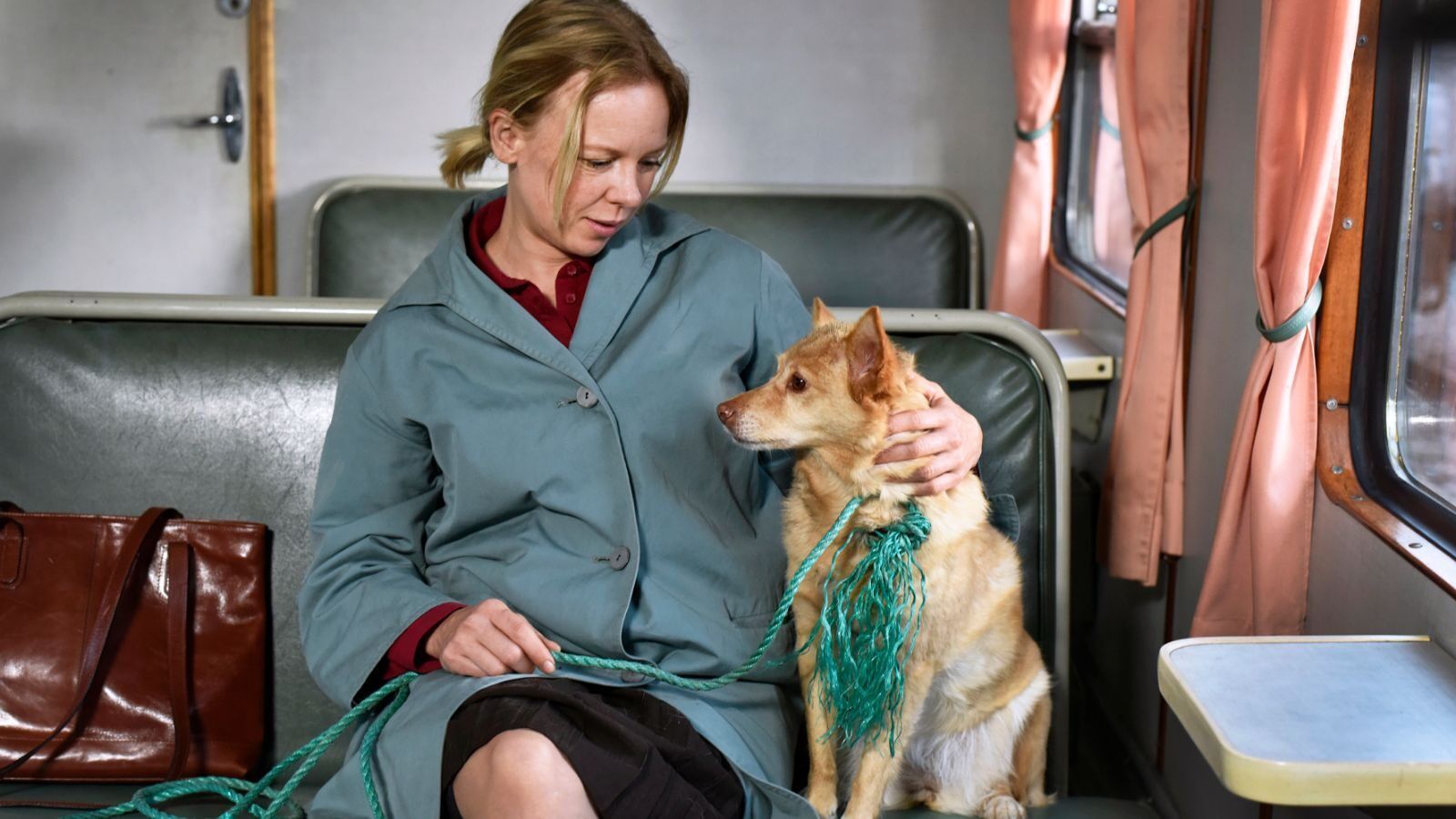
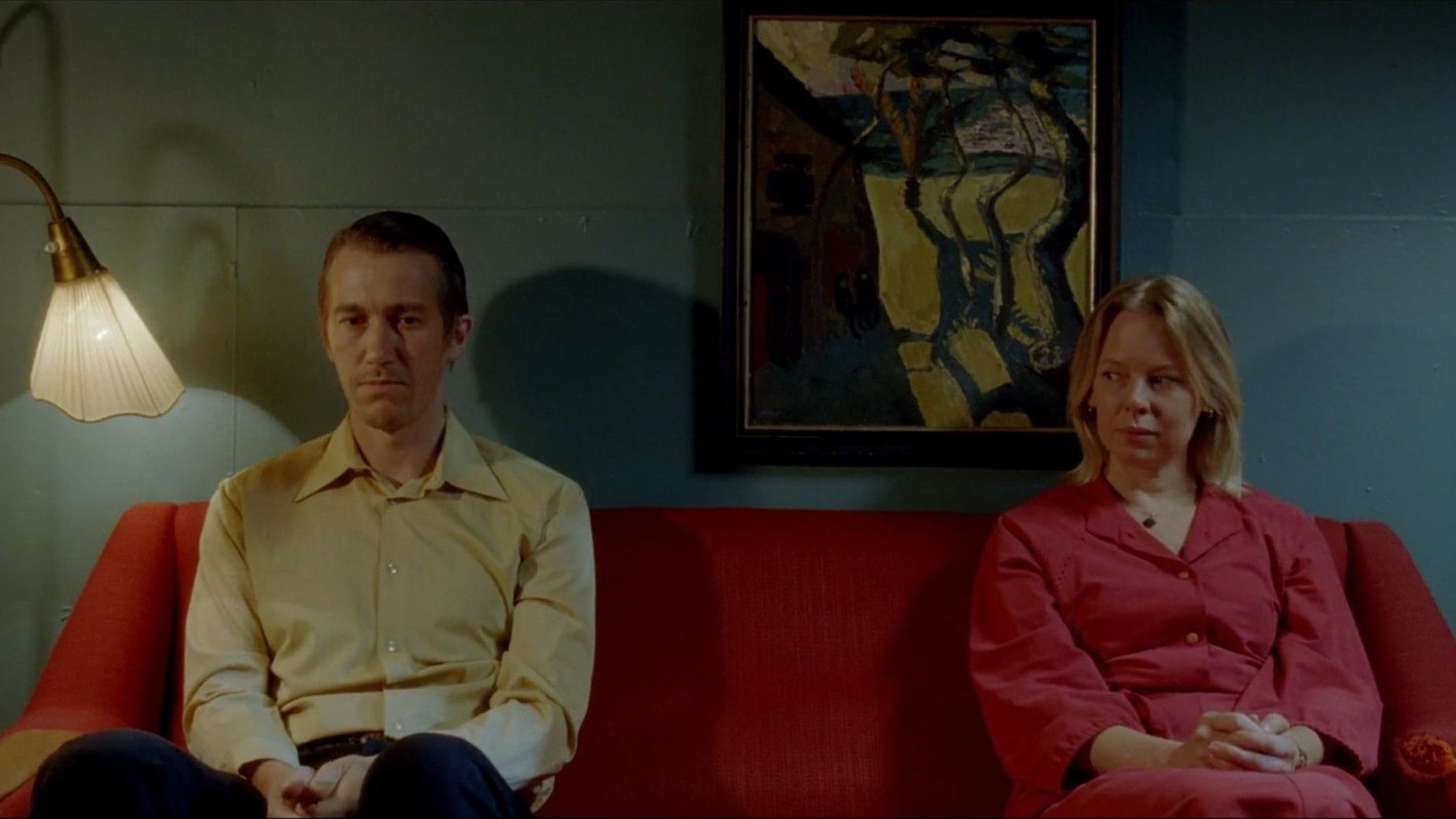
Film still from Fallen Leaves
Nobody looks specifically at fallen leaves, but Aki Kaurismäki’s is a charming treat. 
Dry, dreary and dead, they serve as a metaphor for the two main characters in his 20th feature film, Fallen Leaves. Kaurismäki sheds light on the lives of blue-collared workers, the supposed latest addition to his Proletariat series. 

“It felt like this bloody world needed some love stories now”, said Kaurismäki of his Palme d’Or contender, focusing on love as conflict’s antidote. Though this may be simplistic and overstated, it offers the solace of a world where war is abhorred and love is embraced.


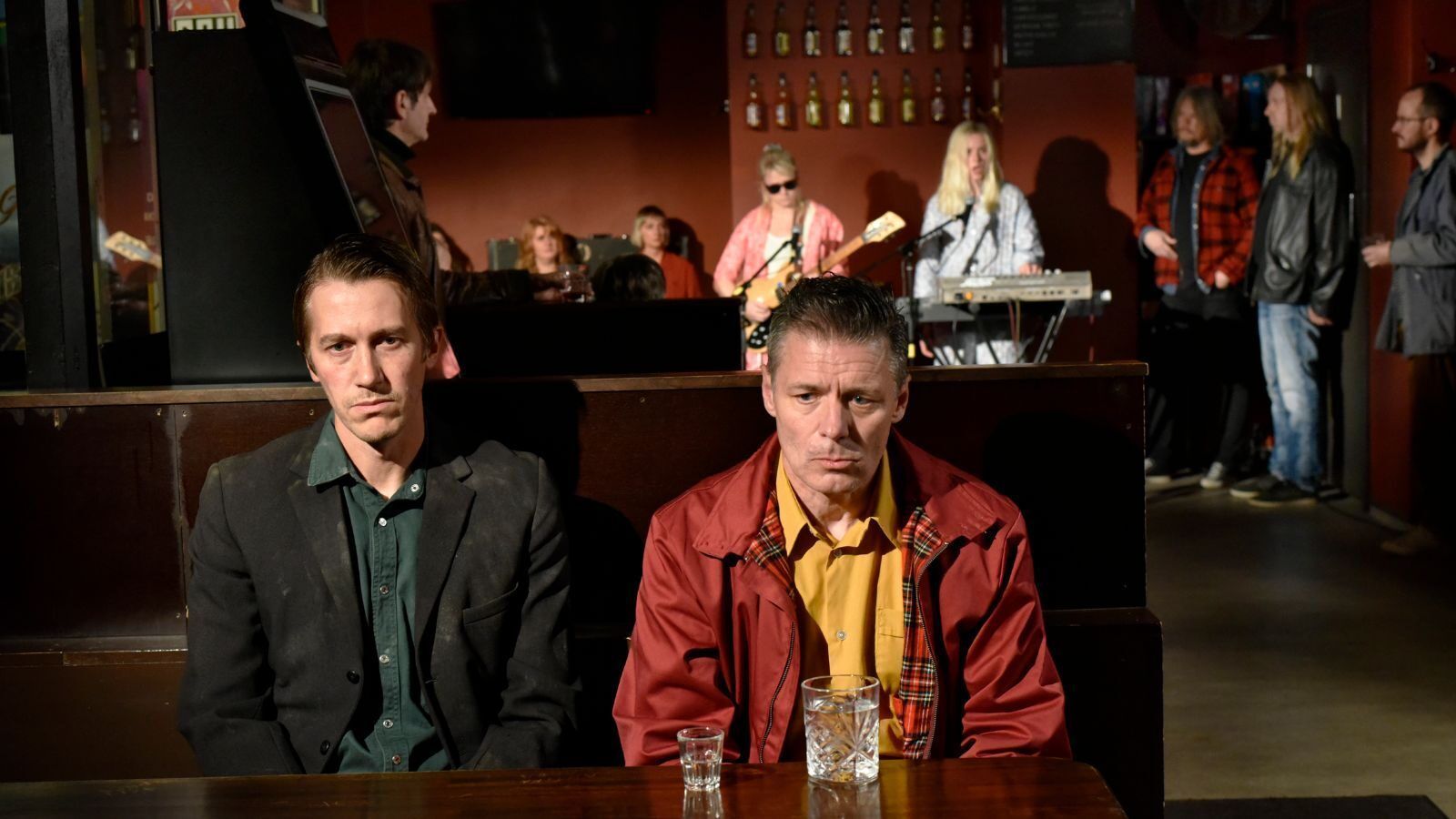
Film still from Fallen Leaves
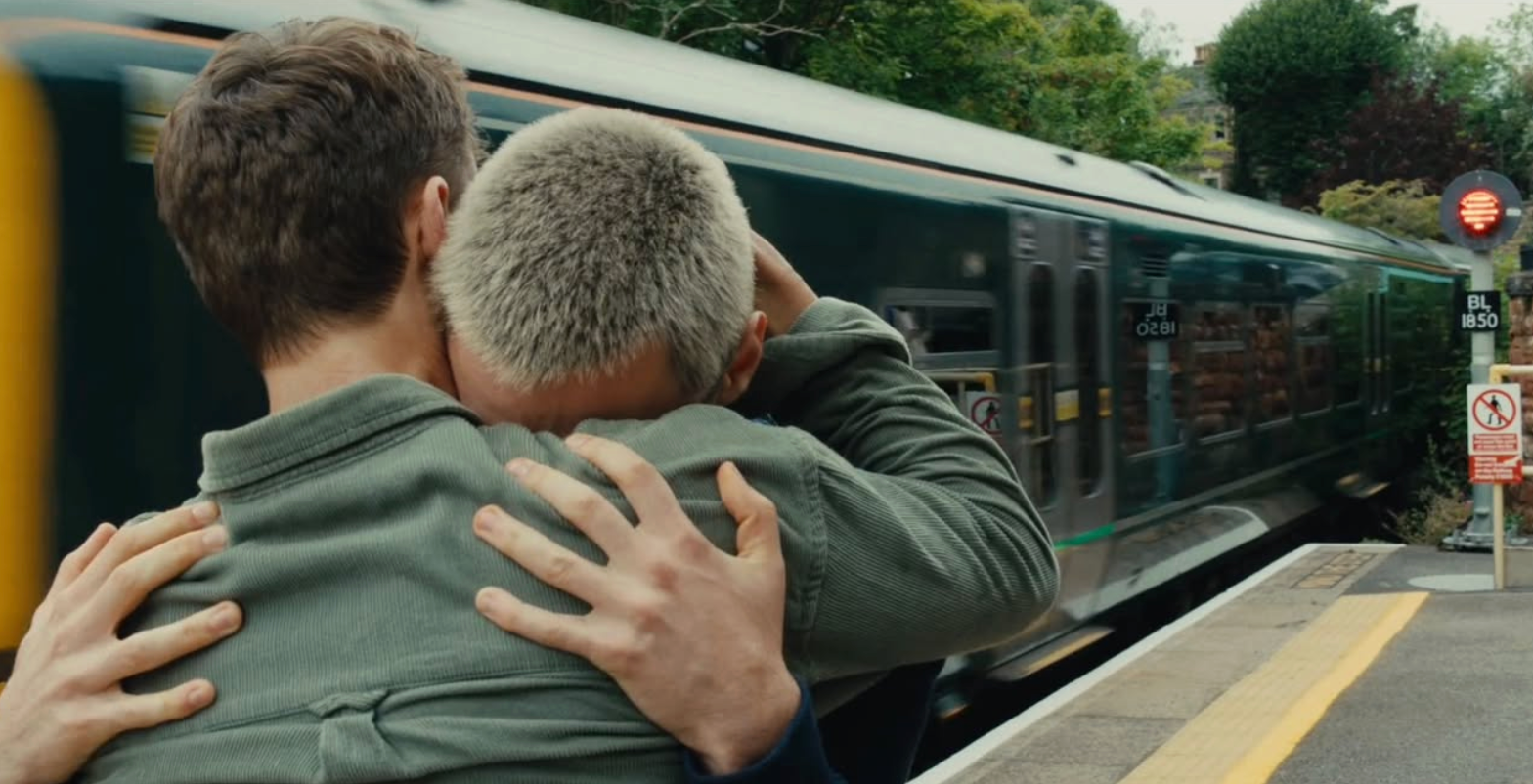
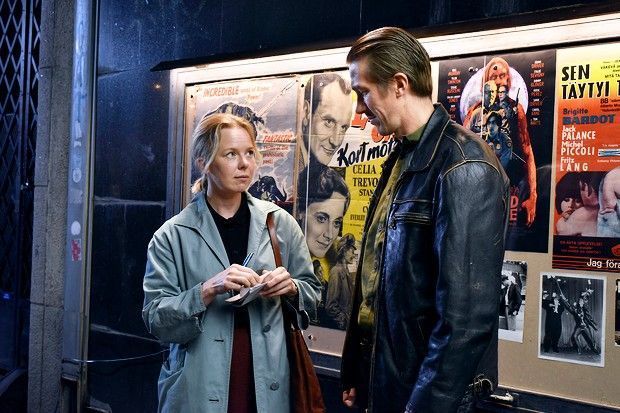
Fallen Leaves tells the story of single supermarket worker Ansa (played by Alma Pöysti) and Holappa (played by Jussi Vatanen), an equally lonely, depressed and alcohol-reliant worker after a chance meeting one night in a local karaoke bar. Both attempt to make first love work between them despite being beset by adversities that come in the form of a lost phone number, missed encounters and a train accident.
Fallen Leaves is a beautiful gem. Its simplicity reflects the seasoned expertise of Kaurismäki, who has found his own brand and style of deadpan comedy, told through clever framing, brilliant acting and comedic timing.
The script is tight and minimal, with lots of breathing space for actors’ stiff actions and awkward silences to land their comedic punches. It’s no wonder that Charlie Chaplin — whose last name was adopted for the stray dog Ansa takes in — serves as Kaurismäki’s inspiration. He also managed a couple of cheeky winks through Jim Jarmusch’s The Dead Don’t Die , much to the amusement and enjoyment of several audience members who guffawed at this if you know you know moment.

Film still from Fallen Leaves
The backdrop of the Russia-Ukraine war — often blaring on Ansa’s radio — adds to the depressing atmosphere of the film. Though not geographically involved, the environment is hostile and depressing, where love is a weak flame struggling to keep ablaze. Kaurismäki skillfully interweaves moments of hope amidst the couple's hardships, crafting a well-structured plot that keeps the audience invested, rooting for their triumph despite each setback they encounter. 
Through the cast’s brilliant performance, Kaurismäki has crafted delightful and endearing characters with his two leads. Pöysti, in particular, stands out with her command of the screen, adding subtlety and nuance to her character’s steely temperament.

As the characters are rarely expressive and smiles are hard-earned, the music does a lot of the emotional heavy lifting. The film employs the clever use of J and L cuts for the music to transition seamlessly from diegetic to non-diegetic and vice versa, effortlessly lulling the audience into Kaurismäkiland.

Film still from Fallen Leaves
This stylistic method — of the environment emoting for the characters — is utilised in the cinematography too. From depressed Holappa’s reflection in his small, shattered mirror, to the strategically positioned rain streaming down the window superimposed on Ansa’s downcast face, waiting for Holappa who never showed up. Enthrallingly, it felt more evocative than actually seeing the characters respond emotionally. 
This romantic dramedy cements that the Finnish director is a master in his own right. The winner of Cannes 2023 Jury prize,
Fallen Leaves shows simple does it.  

——————————————————————————-

This review is published as part of *SCAPE’s Film Critics Lab: A Writing Mentorship Programme, with support from Singapore Film Society.
About the Author: Kennice reads, writes, dances, and watches theatre and film as a way to understand life on Earth (& perhaps beyond). Probably thinking of having another cup of yuan yang siew dai.

Recent Posts

By Shree July 9, 2026
Inside the Film Critics Lab at Singapore Youth Film Festival 2026, conversations with organisers, industry voices and fellow critics offer a glimpse into learning the language of cinema and how stories travel far beyond the places they are made.
By Zhuo Chengsheng July 6, 2026
Disclosure Day: A Defence and Autobiographical Reading 
By Shree July 3, 2026
Tinā (2024): How Music, Culture, and Community Help People Rebuild After Tragedy Written by: Shree
By Ivan Chin July 2, 2026
The Furious: A Marriage of Styles
By Kyle Pillai June 29, 2026
SYFF: Mountain Mountain 
By Lixin Foo June 23, 2026
Interview with The Creators Behind ‘Mountain Mountain’ By Lixin Foo 
By Yu Jing Lim June 23, 2026
Are We Finally Back?: Backrooms, Obsession, Theatre-going, and the State of the Industry
By Chinmaya June 18, 2026
The Beast in the Woods 
By Elena Goh June 12, 2026
Commentary: Fiction and Vulnerability in Drive My Car (2021) [SPOILER ALERT] This review contains spoilers for the film Drive My Car (2021). 
Show More