Ikiru – To Live Or Not To Live?

Jun Sen • May 22, 2026

Ikiru – To Live Or Not To Live?

A narrative analysis by Jun Sen of Akira Kurosawa’s Ikiru (1952) – what it means to truly live.


Disclaimer: This film contains spoilers for Ikiru (1952).


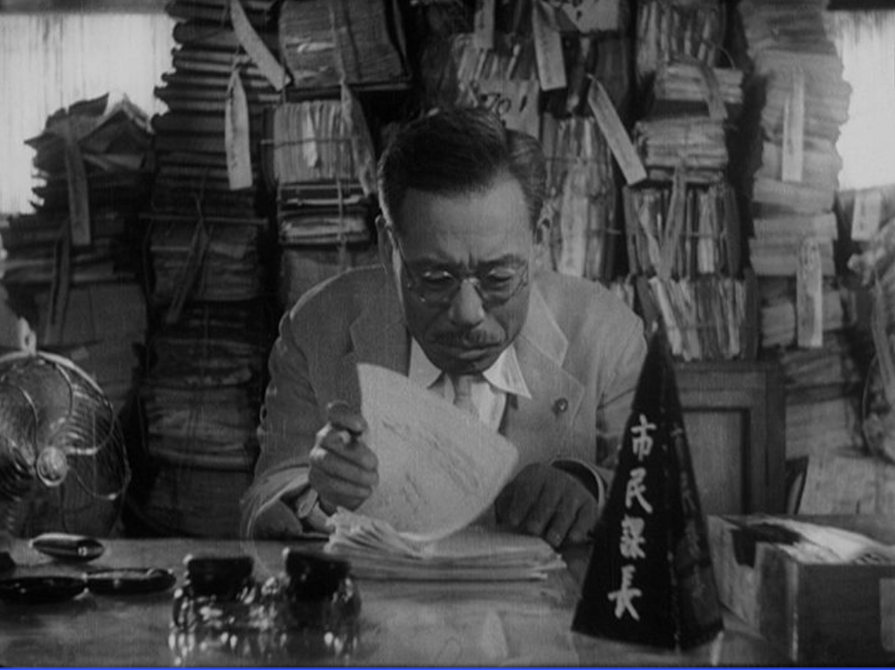
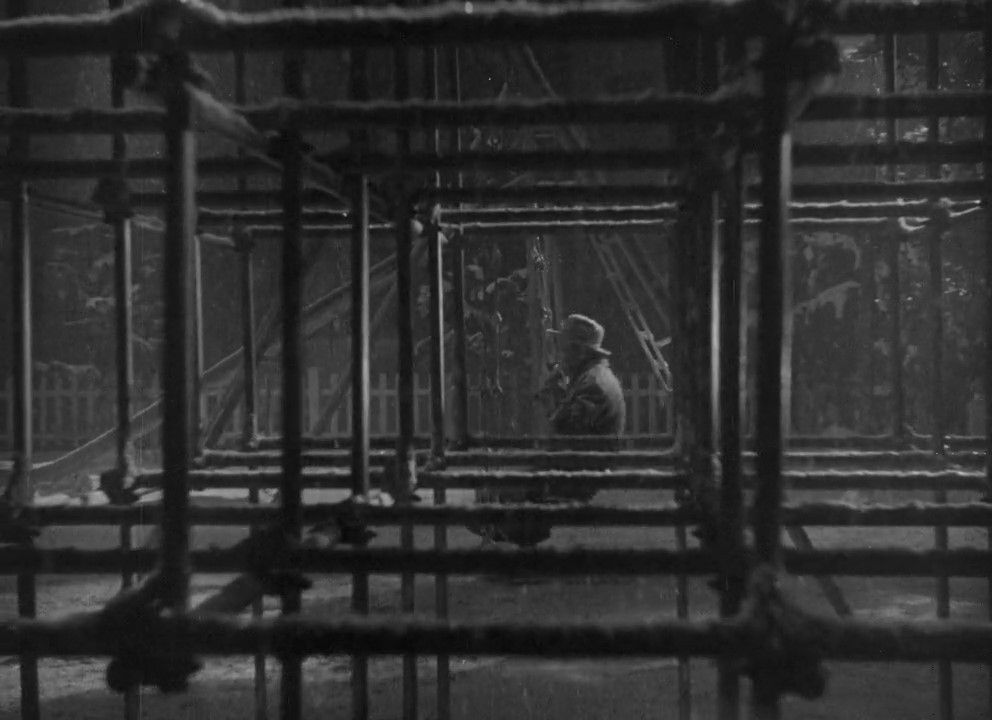
To live or not to live? That is the question that lingered in my mind as I watched Akira Kurosawa’s Ikiru (1952) – a film about an old man who works at a dysfunctional bureaucratic institution, and is suddenly met with terminal illness that leaves him with less than half a year to live.

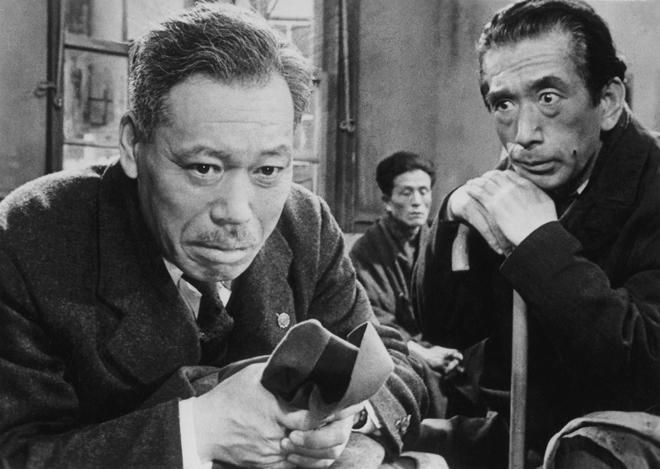
The old man in question is Mr. Kanji Watanabe (played by Takashi Shimura, a frequent collaborator of Akira Kurosawa). Mr. Watanabe’s existential dread is a common trope in many dramas that depict a terminally ill person, but his plight in Ikiru is the one that haunts me the most, because he reflects the everyman in our society – the one who mirrors our very existence on this island we call Singapore.


Growing up, I was taught by my parents to study hard, work hard, and save money. But that felt like a routine that isolated me from happy pastimes. Saving up in this economy also meant I lost out on many experiences with good friends – it felt like a ‘party pooper’ thing to say when you had to reject an invite to hang out with people because you needed to ‘save money’. 


My biggest fear is that I would end up like Mr. Watanabe – a dying man who is set for life with his vast amount of savings, but dies not knowing what true happiness feels like. He has followed a strict and steady routine for 30 years as a public works officer. Following that routine should only set one up for success, but Mr. Watanabe’s life – up till that point – is filled with regret, and distance from friends, colleagues and loved ones.

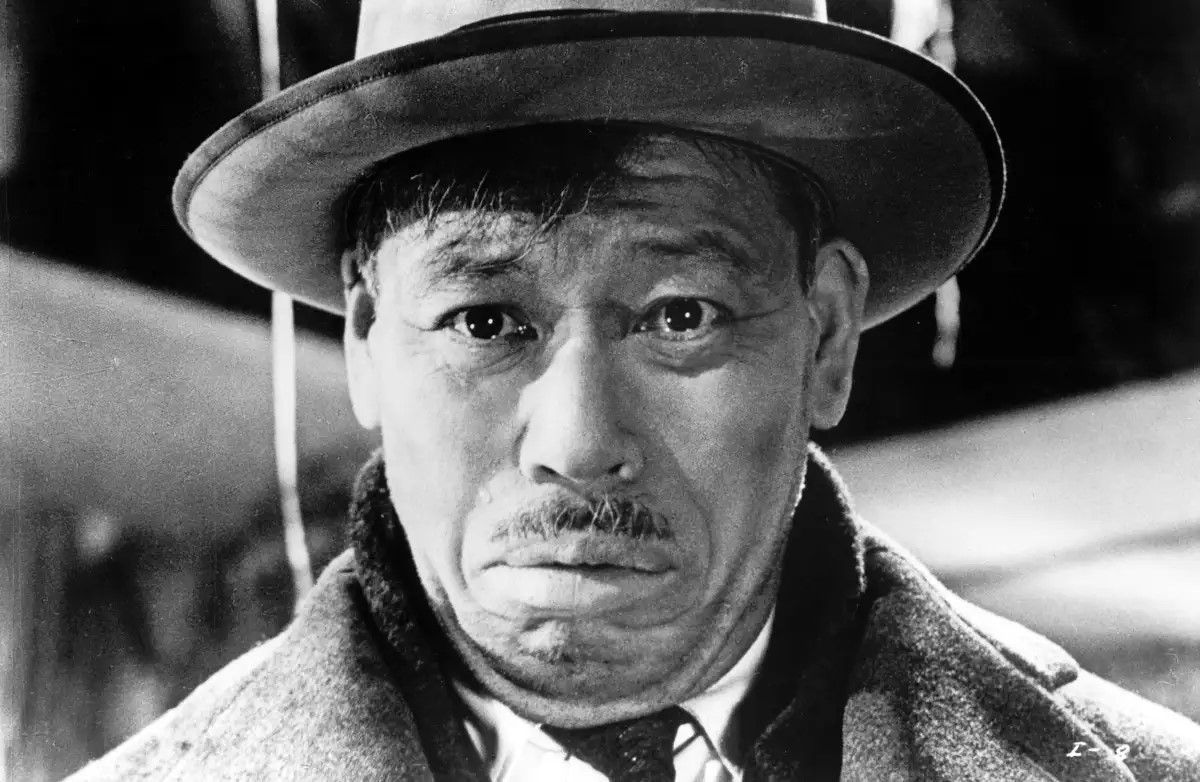
Ever since the doctor and a fearmongering patient sowed the idea of stomach cancer and eventual death into Mr. Watanabe’s mind, his transformation over the next few weeks was immediate. He ditches his routine, throwing his life savings into debauchery. He hangs out with a writer he barely met, gets his hat stolen in the process, and suspiciously hangs out with a female subordinate – Toyo (played by Miki Odagiri) – who is much younger than him. Exaggerated rumors about him spread like wildfire among his co-workers, even among his son and daughter-in-law. Has he lost his mind? Why is he wasting his life away?


I would argue that the actions of Mr. Watanabe were meaningful, and not a waste of his time. In that short span of time, he has lived and done much more than anyone in his community. That night spent wandering aimlessly in the nightlife, and those weeks spent with his junior Toyo, were canon events that had to occur for Mr. Watanabe to realize his true purpose in life.

He was not meant for endless nights of hedonism, nor was he meant to follow a routine of taichi-ing his department’s work to other departments, much like his colleagues (and many of our dysfunctional colleagues in real life).  He was meant to own his work, to challenge the hierarchy of his bureaucracy, and turn a slum into a park for children to play. And he is hellbent about it. He does not flinch, even when there are bullies above the chain of command, who threaten to physically beat him up and make him stay in his place.


We all need a little audacity to be unafraid, much like Mr. Watanabe, to stand out of our programming to conform to a routine life. Even before he had his calling to build a playground, he felt the conviction to sing Gondola no Uta (The Gondola Song) at the bar, drawing the ire of everyone else there. Why sing about something so morbid when everyone is having fun?


Perhaps he had to sing Gondola no Uta in grief, to realize the fragility of human life, before he could do something about his life. Perhaps it was the song that signals a rebirth of the formerly routine-driven Mr. Watanabe – a call to live life differently from the rest of society. And to live life differently, he did. Driven by the urgency of time, unbeholden to anyone’s opinions of him. When his team finally completes the playground, he sings Gondola no Uta again – but on a happier note this time, as if he accomplished his true purpose in life. 

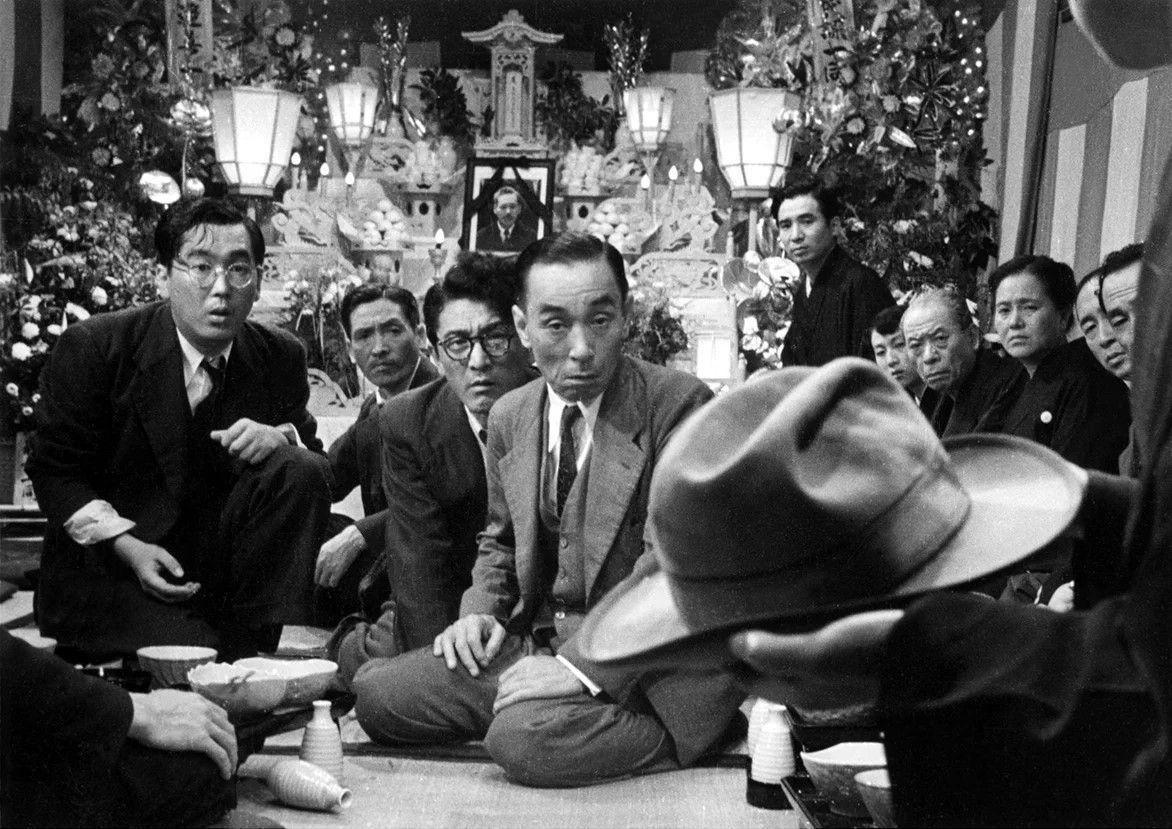
Mr. Watanabe eventually passes on, to no one’s surprise. At his funeral, his bureaucrat colleagues attempt to diminish his contributions to the park by saying it was a collective effort, but no one could deny the seismic shift in personality he displayed in the final months leading up to his death. It was at that moment that everyone, even his skeptics, broke down in a drunken stupor, recognizing his contributions to society.


It is with this finale that drives home the important question that Ikiru has been asking from the start – to live (to stand out from the rest of society) or not to live (to conform to the routines of society)? Mr. Watanabe is remembered, not for his loyalty to an organization – something most people can achieve and would therefore be less meaningful – but for his unwavering commitment to building a children’s playground. 

If we were meant to live forever, would we have been like Mr. Watanabe before he got diagnosed with terminal cancer, following a routine without end? If the fearmongering patient had not warned him of his symptoms, would he have embarked on the journey of fulfilling the purpose of his life? 


Mr. Watanabe’s awareness of his mortality drove him to do extraordinary things. Like him, we also need to remember a Latin phrase – memento mori (remember you must die). It is the recognition that life is fleeting – that we should not waste our time slaving away to the ideals of other people, but to live a life that we can be proud of and call meaningful. 


That is the true meaning of Ikiru – to live.


---------------------

About the author: Jun Sen (@itsginsengbutton on Instagram) is an emerging multidisciplinary designer and video editor who loves all forms of meaningful cinema, especially films that depict mortality and the fragility of human life. Outside of work, he can be seen streaming films on the commute, catching films at the cinema, and hanging out with like-minded cinephiles. He is currently pursuing a Bachelor of Arts in Communication at University at Buffalo.


This review is published as part of *SCAPE’s Film Critics Lab: A Writing Mentorship Programme, with support from Singapore Film Society.


BLOG

By Jun Sen May 14, 2026
In Conversation with Seth Cheong An interview with Seth Cheong on his unconventional filmmaking journey and process, hailing from a non-film school background. 
By Chinmaya May 7, 2026
Film Review #199 Film Critics Lab Resurrection
By Pan Wenbo April 20, 2026
SCFF 2026 LINKA LINKA Review
By Amadeus Yeo April 17, 2026
Review: Palimpsest: the Story of a Name (dir. Mary Stephen)
By Victoria Khine April 17, 2026
SCFF 2026 Animated Shorts 动画短片集
By Rachel Xia 夏仲静 April 15, 2026
Film Review: Beyond Reconciliation: Living On in Life of Luosang 藏地的生命诗篇:《洛桑的家事》
By Jarrett Yang April 13, 2026
SFS Review - NO OTHER CHOICE (2025)
Poor Taxi 辽河的士
By Jayden Lim Jie-En April 13, 2026
A Review of Poor Taxi 辽河的士 (2025) 
By Elena Goh April 8, 2026
A Review of I Think I’m Going to Die : Stop-Motion Animation and Womanhood
By Jun Sen March 11, 2026
SYFF - In Conversation with Jake Low 
More Posts