In Conversation with Seth Cheong
In Conversation with Seth Cheong
An interview with Seth Cheong on his unconventional filmmaking journey and process, hailing from a non-film school background.
As someone who has followed his work since Lay Over (2022), Seth Cheong’s short films often strike me as minimalist, unpretentious, candid and satirical. His shorts often portray young adults who constantly question their purpose and life, and tend to be set in highly specific situations with highly specific film titles, particularly with Dogma 65 (2025) – where two undergraduate filmmakers insist on directing the same idea for their school’s 48-hour short film challenge.
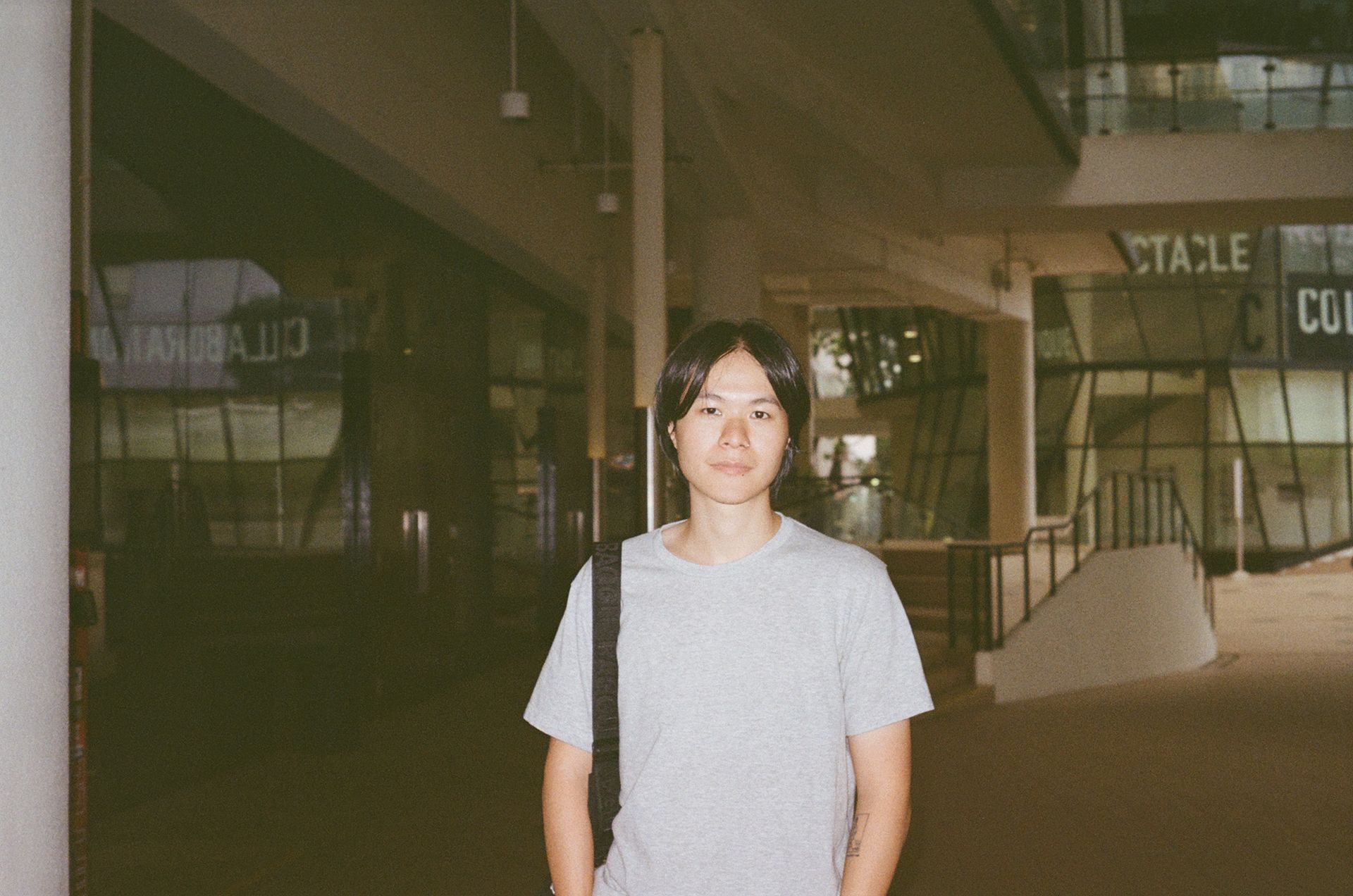
I had the pleasure of speaking with Seth Cheong (SC), who shared with me his filmmaking journey.
JS: As someone with no film school experience but graduated with a BA in Communication and Media Studies from the National University of Singapore (NUS), how did your experience with that degree carry over into your filmmaking?
SC: I don’t think the two are related [in my opinion]. What I initially wanted to do with my Communication degree was to find a job in Advertising, because that was something I used to be quite interested in. Looking back on my time at NUS, I think the one thing that pushed me, or at least something that I saw was correlated with me becoming a filmmaker now, was that being in school and living on campus gave me the time and space to reflect on what I really wanted to do, and also what I truly loved and cared about. It was only towards the last year of school, when I think it kind of hit me that I cared a lot more about film than other things in the communication field.
JS: What happened in the first few years of your undergraduate studies?
SC: I focused on my internships and studies. I mean, I was still spending a lot of time in my early years in university, watching films and all, but it was just as a hobby, maybe an escape. Something to just think about, something that’s not related to the work I was trying to do. It was in university where I met a professor, not even in a film course, just a general academic writing course. He introduced me to what would be my foundation for what you would call arthouse films. I think he found out that I was into film, and then we started talking about the filmmakers that inspired him. He sent me down a rabbit hole to look out for more interesting films. So yeah, I guess university has introduced me to cinema, because of the thing, the people that you’re exposed to, and also at the time that you’re given, I suppose. It’s like the fortuitous moments of your life that also just kind of happened by random as well.
JS: Were there any feature films or directors, within the Southeast Asian region or abroad, that inspired your filmmaking process?
SC: I’m not super well read on regional directors, but I think a clear reference for some of my films would be Sorayos Prapapan’s short films, which center around filmmakers. I do think about those shorts quite a lot.
I think some films from abroad I’m quite inspired by are like those from Hong Sang Soo. I kind of like the efficiency of how he makes things. The image is usually just very simple, and I observe the power of just story and dialogue. Watching his films reminds me that conversations are so important, and the mundanity of it is very comforting. The conversations just go on for 20 minutes and you just lose track of time.
Another thing that inspired my early films was also the Mumblecore Movement in America. It’s a movement that’s also characterized by extremely talky films. The films are just like 90 minutes of conversation, and they are usually also characterized by really low-cost production. [It’s] usually just like a guy with like some digital camera shooting people talking for 90 minutes, and they usually talk about pretty banal things, not very important weighty topics.
There’s this one film called Funny Ha Ha by Andrew Bujalski, who is one of the core figures of this Mumblecore Movement. That film was what left a very lasting impression on me. It just revolves around young people post-university. Just hearing how they spoke to one another sounded exactly like how young people talk to their friends. The dialogue isn’t poetic. It’s real. It really worked, and watching that gave me conviction to write the way I write.
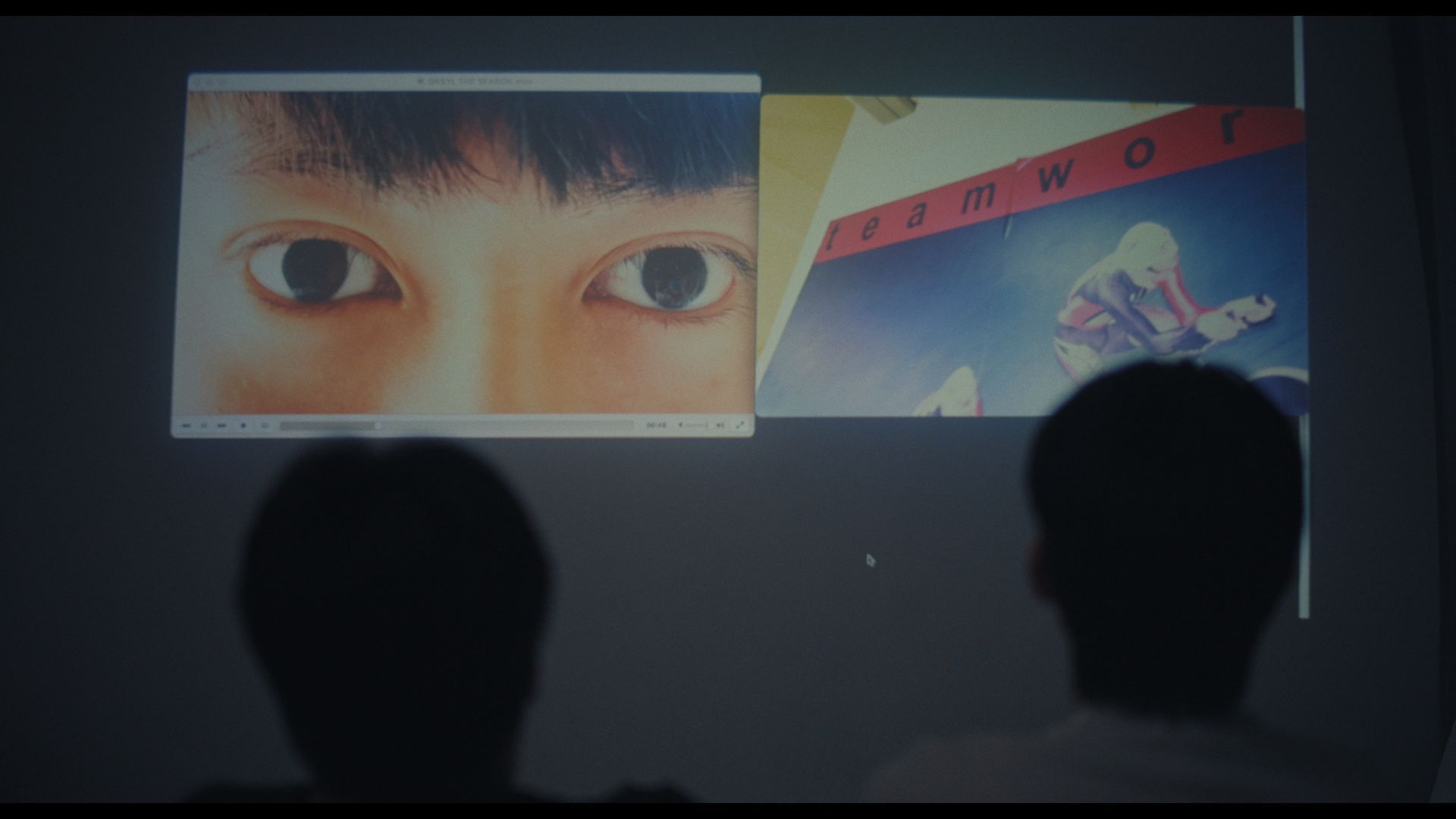
Daryl and Enze, playing their competing short films of the same theme, side-by-side, in Dogma 65.
JS: Your works have been screened in Seashorts in Malaysia and Jogja-NETPAC Asian Film Festival in Indonesia. How was the audience reaction to your shorts? Could they understand the Singaporean contexts of your narratives?
SC: Every time your film screens, you sort of sit in the screening and hope that people resonate with it. My earlier films, such as Lay Over and Late Twenties, were only screened at SGIFF, and I feel like they were quite specifically made for a Singaporean audience. Last year, when my films went to Seashorts and Jogja, they carried a bit more universality than my earlier films. When Singaporeans on the Kamo River went to Jogja, it was bundled into an experimental program, so I guess the people who watched it are probably made more open to alternative storytelling.
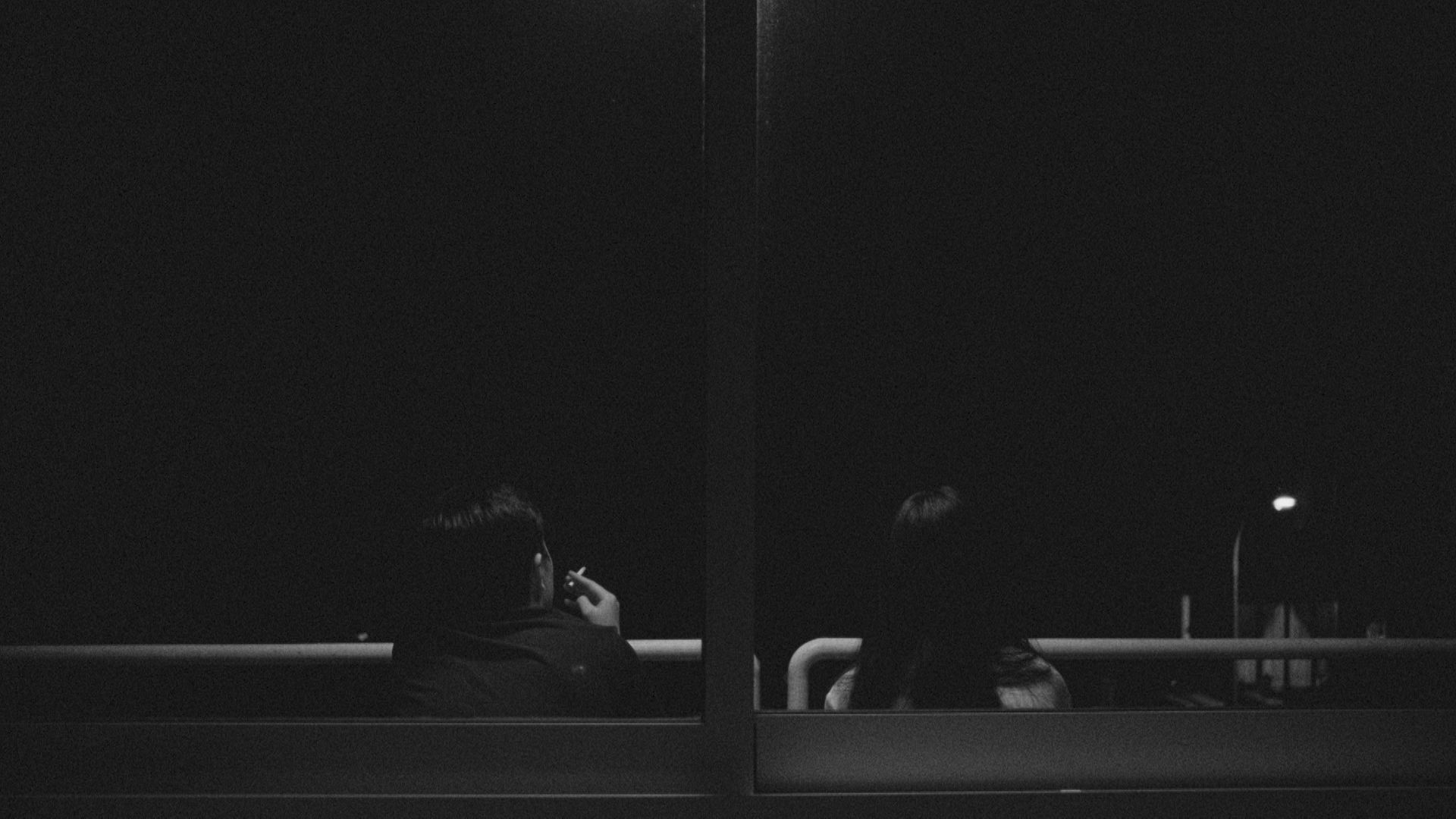
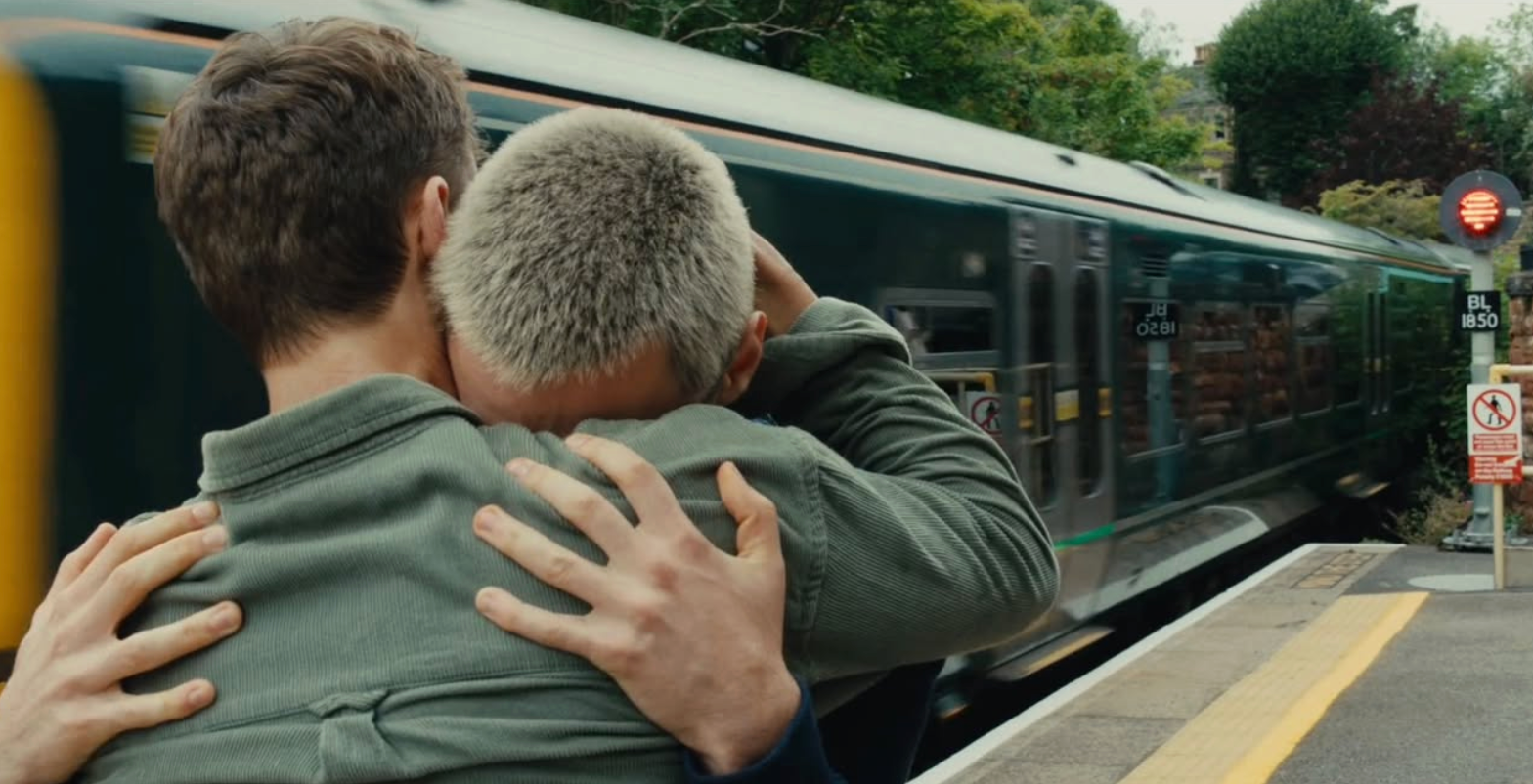
Daniel and Claudia, exes reuniting over a night in Lay Over.
JS: Your films have really specific premises that feel like you’ve lived through them before. What happened in your life that inspired you to make shorts such as Lay Over and Late Twenties?
SC: I wouldn’t go so far as to call them autobiographical. I would say maybe like the rough emotional situations that these two films are about are places that I’ve been, but also what everyone else around me has been through. For Lay Over, the idea of past love, and for Late Twenties, the idea of a friendship fading, concerns about the future, being unhappy in your job… what the idea of stability and comfort looks like.
I think these are things that, at the ages I meet them, are emotional situations that have a very heavy weight on us. It’s things that you probably think a lot about at this point in time. I suppose I just think about the universality of the people at these stages in their lives. I try to position my characters in that time and space, what they would worry about and make it as real as it can be.
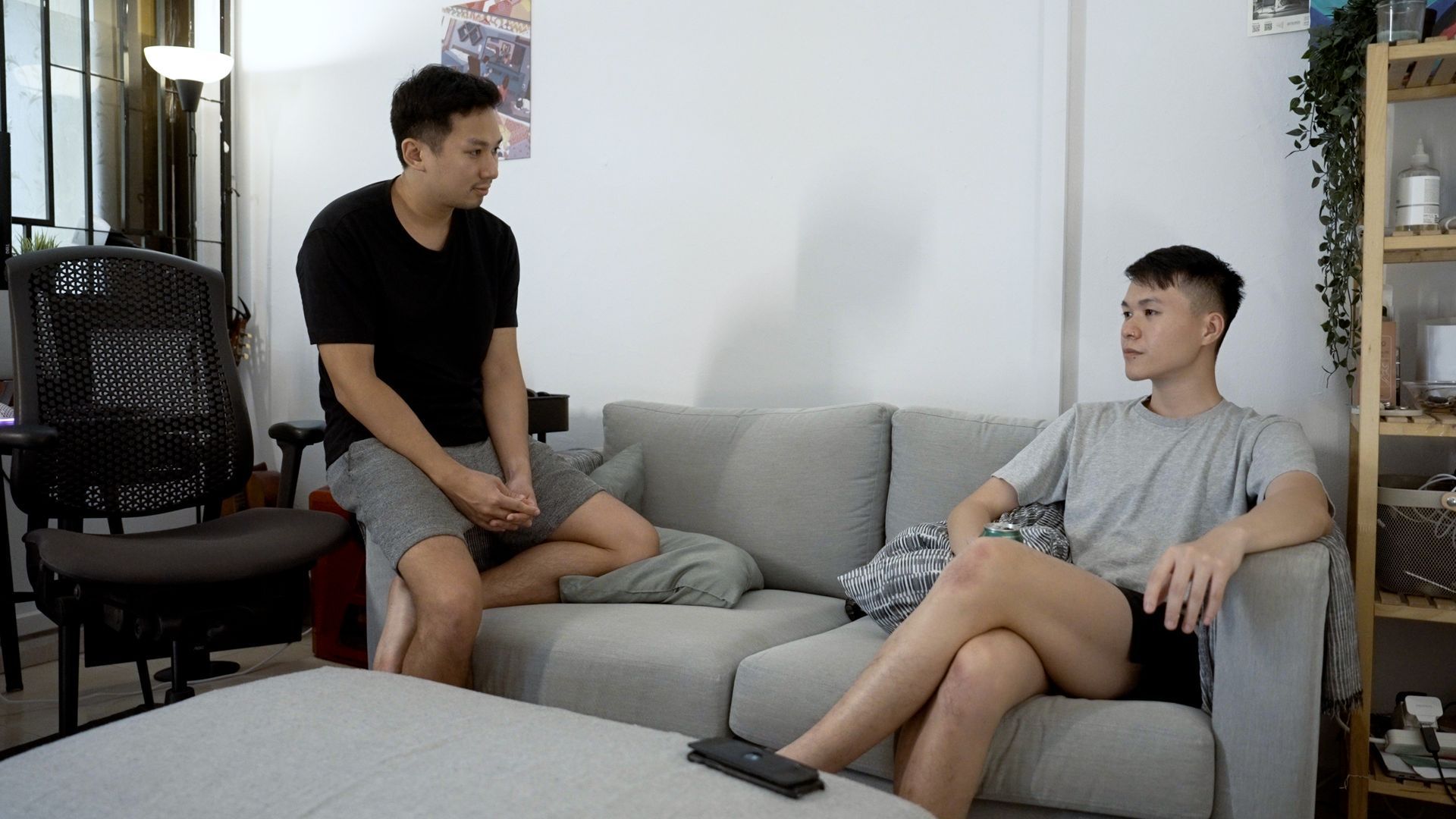
Jethro and Seth in Late Twenties.
JS: As a communication student, do you research the conversations people have before writing, or is your writing based on a sense of collective conversations with people?
SC: It’s more of the latter. These films were kind of just written on the fly. I think that just talking to my friends and loved ones usually presents jumping-off points – things I can write about. Let’s say I’m hanging out with a friend, and he says something interesting, I just write it down in my Notes app just to store that nugget of information. Most of the time, it ends up being nothing, but if it sits with me long enough, I’ll start to expand on that idea. Even when I’m alone in public, sitting in a café, and I just hear some interesting conversation, I’ll be like “oh this is kind of interesting, I’ll write it out and unpack it later”. I have the practice of amassing these notes like Scrat from Ice Age, hoarding his acorns. You never know when that could be useful, when that could be the start of an entire idea, or when you need inspiration for a line of dialogue.
JS: I also noticed that your shorts have very grounded dialogue. Are they improvised by your actors or are they scripted?
SC: Generally, what you see in the film is what’s on the script. Earlier on, when I was making films, I worried a lot. I was also working with friends and non-actors, so it was easier for all of us if we just pulled up the script. Not that I don’t like improvisation, but I suppose it’s the way that I feel my dialogue is very carefully laid out. The beats are all there for a reason. I would say that I meticulously script my dialogue. I think in the early days, because it was just my friends acting, it helped to know them personally. It did help me to write in the way that they would say things in real life. They are tangentially playing different versions of themselves.
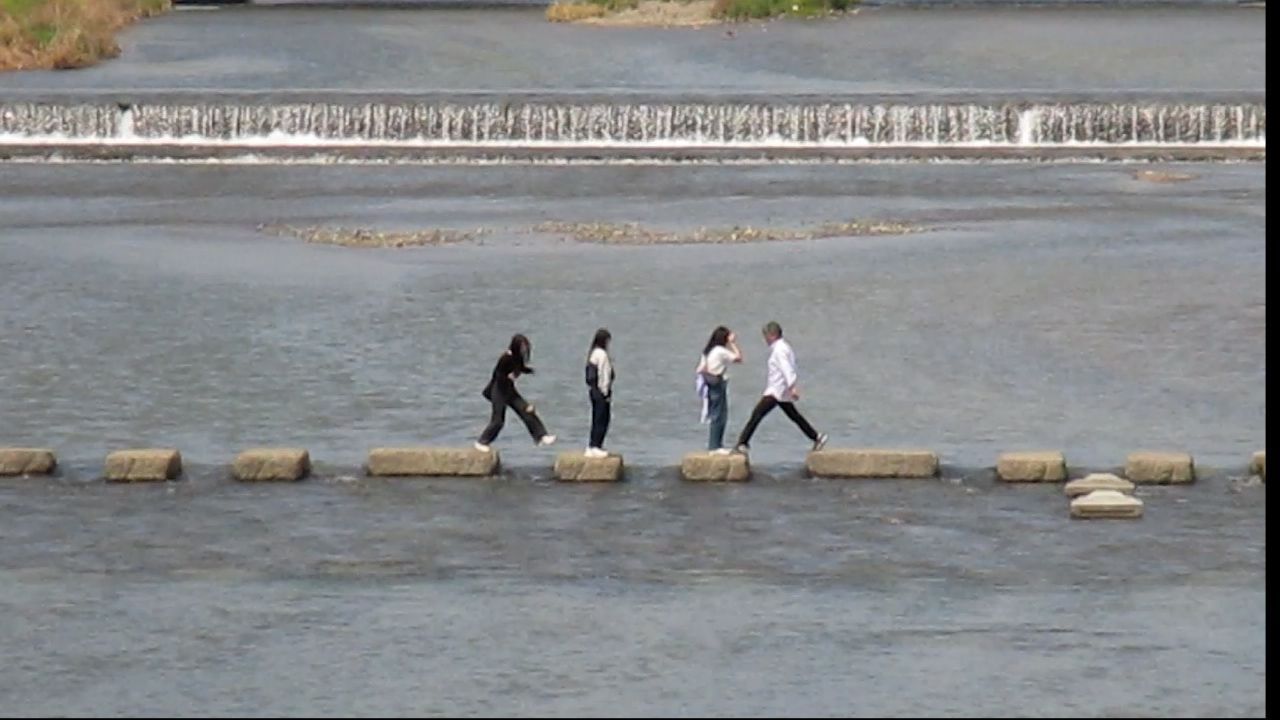
A still from Singaporeans on the Kamo River.
JS: I liked how you roasted Singaporeans “imprisoned to Japanese culture” in Singaporeans on the Kamo River. How do you feel about a majority of Singaporeans being obsessed with anime and Japanese food?
SC: I wouldn’t go so far as to say that I’m roasting them, because ultimately I’m also a Singaporean who likes going to Japan. I mean, there’s a reason why it’s such an attractive place for Singaporean tourists. I think part of me is also seeing the irony in calling out other people, but then we’re doing the same. I suppose what I wanted to do with the film was more of just presenting situations or profiles of people who go there. In like 8 minutes, I don’t really have that much time to get into too much of it, so I write the dialogue after filming, and so the writing responds to the image that I shot. When you’re overseas, you become acutely aware of “Singaporean-ness”, like if you travel to a country where the people don’t sound like you, but when you hear a Singaporean voice, it’s suddenly the loudest voice in the room. So I was kind of responding to that feeling.
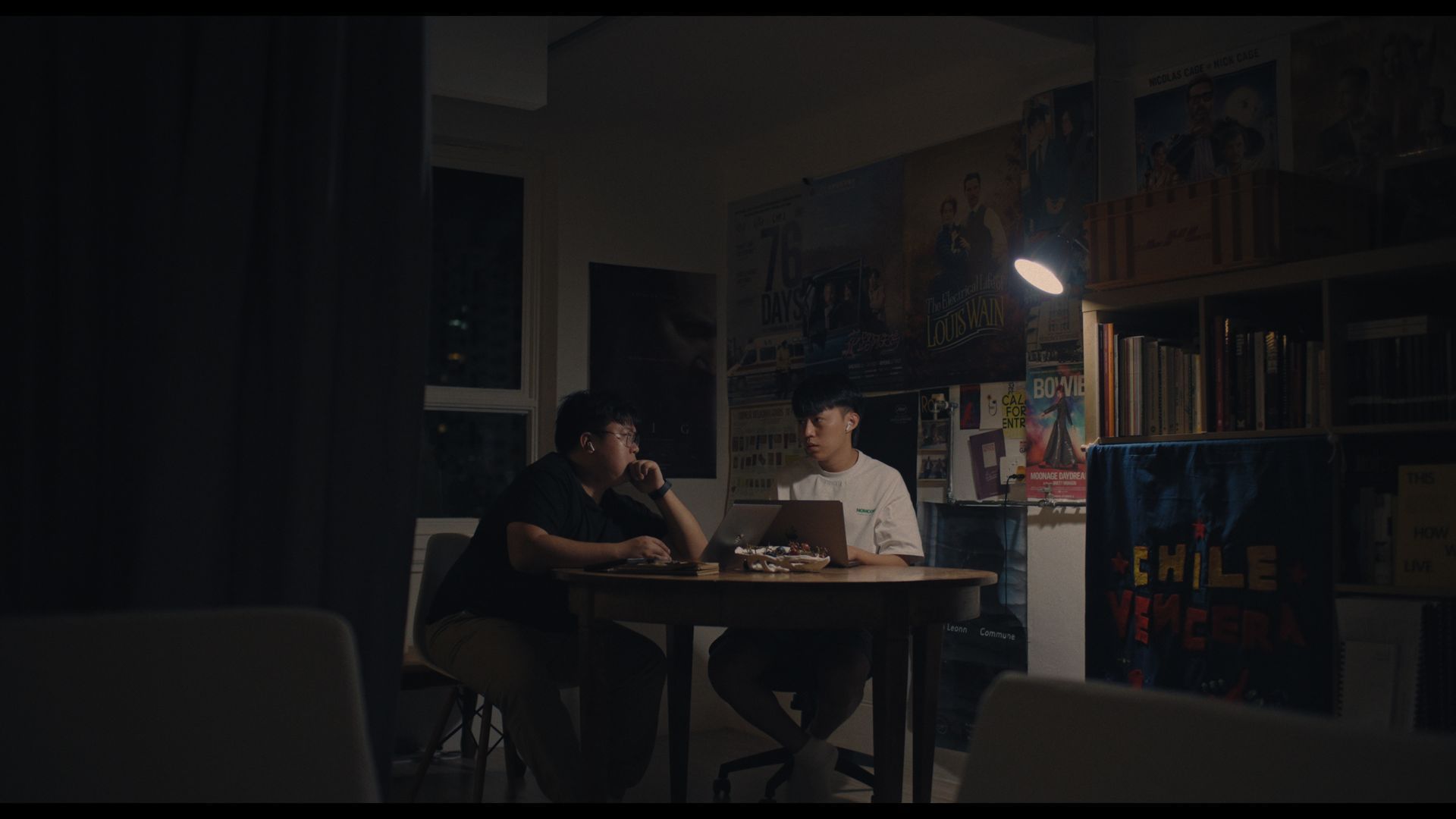
Daryl and Enze debating about the short film competition in Dogma 65.
JS: There was a lot of creative tension in Dogma 65. Did that actually happen among you or your friends in real life?
SC: I mean it’s a pretty novel situation that didn’t literally happen in real life. I was just trying to think about two young naïve and maybe not the best filmmakers. What would they argue about? Maybe they’ll eventually become great filmmakers, but they’re also not there yet. They’re in their own sort of bubble. And so the idea of this 48-hour competition was to kind of create a situation where something that is not very important is taken very seriously. Their egos are on full display.
It was finding a situation for them to clash, but also where this creative difference doesn’t overtake the entire film. It’s still a film about two friends; it’s still a film about early-stage filmmaking. It’s not really about the competition. Ultimately, it’s also not even really about their differences, right? That’s just the starting-off point, but then it becomes a story about creation, trying to express yourself, about that funny stage of a film lover where you love films so much that you start making films.
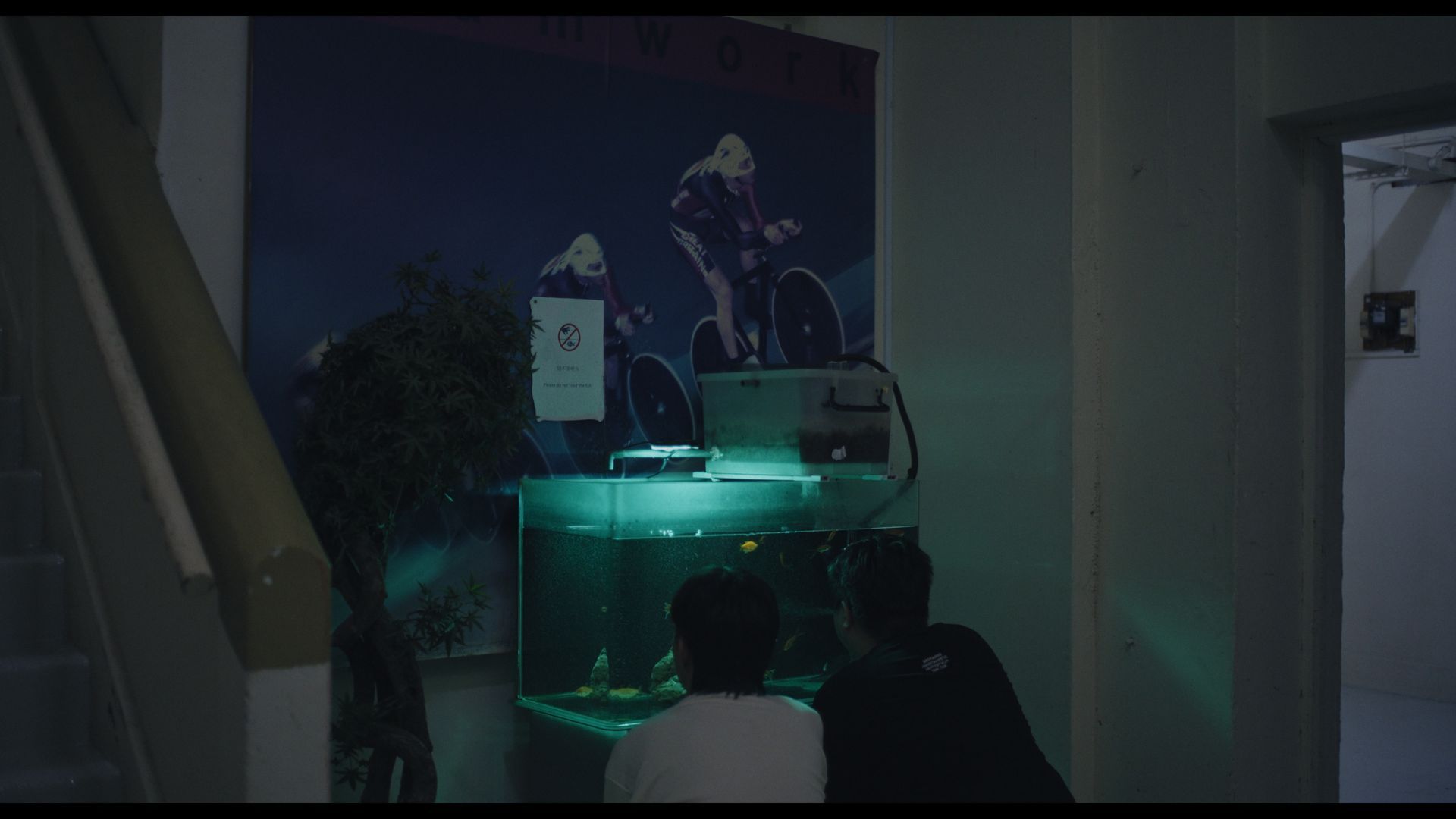
Daryl and Enze stare at a fish tank to gain inspiration for their short films in Dogma 65.
JS: Did you intend for Dogma 65 to be comedic, or did the comedy organically play out as you were making the short film?
SC: Definitely. But there are some scenes that we had to really work out in their movement, their blocking and their physical performance. As you write it out on a piece of paper, it sounds good and then when you see it in person, it’s like “oh, something’s a bit odd to them”. There was a scene that was taking a bit of time for us to unlock the humour of the scene, but thankfully I managed to get to that place with my actors, Daryl and Enze.
JS: Dogma 65 received the *SCAPE Film Facilitation Programme’s funding to realize the short film as a comedy. How did the programme benefit the process of making the short?
SC:
The money, of course, is very useful. It’s actually the first film that I made professionally, before that, I just made films with my friends. So it kind of gave me this experience of working with a proper film crew, and forming some nice professional working relationships. I also had a mentor, Martika Ramirez, who made Leonor Will Never Die. We went back and forth during the scripting process and she really helped me shape the film into what it is today.
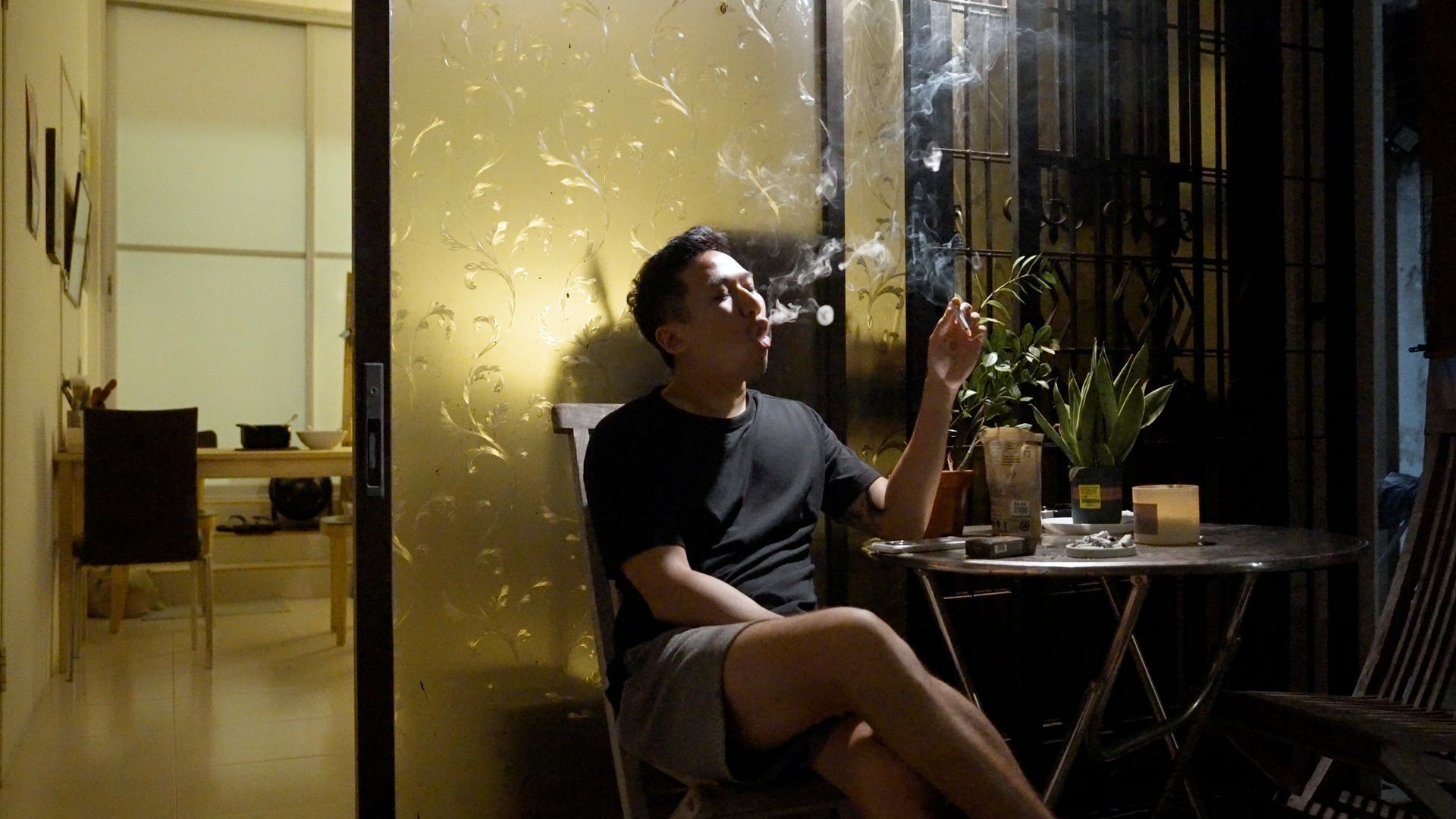
Jethro tries to blow rings of smoke, reminiscing what he used to do with his undergraduate friends in Late Twenties.
JS: You have six shorts in your belt now, and a feature project at the SGIFF Southeast Asian Film Lab 2023. What’s the next project you’re working on? Are you making a feature film?
SC: I have a few shorts that I’m trying to finish up this year. There’re still a few of those ‘own-self shoot’ projects I want to do. I still love making short films. It’s a beautiful medium. Not all ideas can sustain the length of a feature. And I think soon enough, I’ll start working on my feature. Ideally, I think I’m doing both at the same time.
JS: Is there any advice you have to aspiring filmmakers out there who may not have experience from film school?
SC: Try to make what you know. Notice what your peers are making, and then do your own thing.
My conversation with Seth gave me a deeper understanding and appreciation of his short films and workflow. Just like him, I keep ideas for scripts in my notepad! Seeing these commonalities between us, I feel creatively invigorated and less pressured to be complicated in writing narratives for film. Sometimes, simplicity is key.
(Photos and film stills provided by Seth Cheong)
---------------------
About the author: Jun Sen (@itsginsengbutton on Instagram)
is an emerging multidisciplinary designer and video editor who loves all forms of meaningful cinema, especially films that depict mortality and the fragility of human life. Outside of work, he can be seen streaming films on the commute, catching films at the cinema, and hanging out with like-minded cinephiles. He is currently pursuing a Bachelor of Arts in Communication at University at Buffalo.
This review is published as part of *SCAPE’s Film Critics Lab: A Writing Mentorship Programme, with support from Singapore Film Society.
Recent Posts