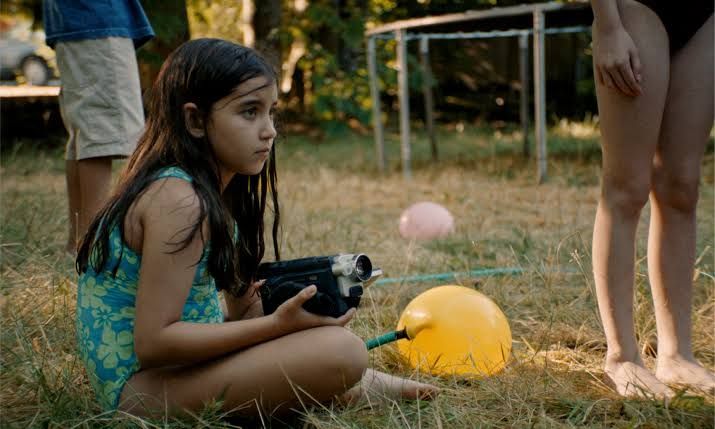
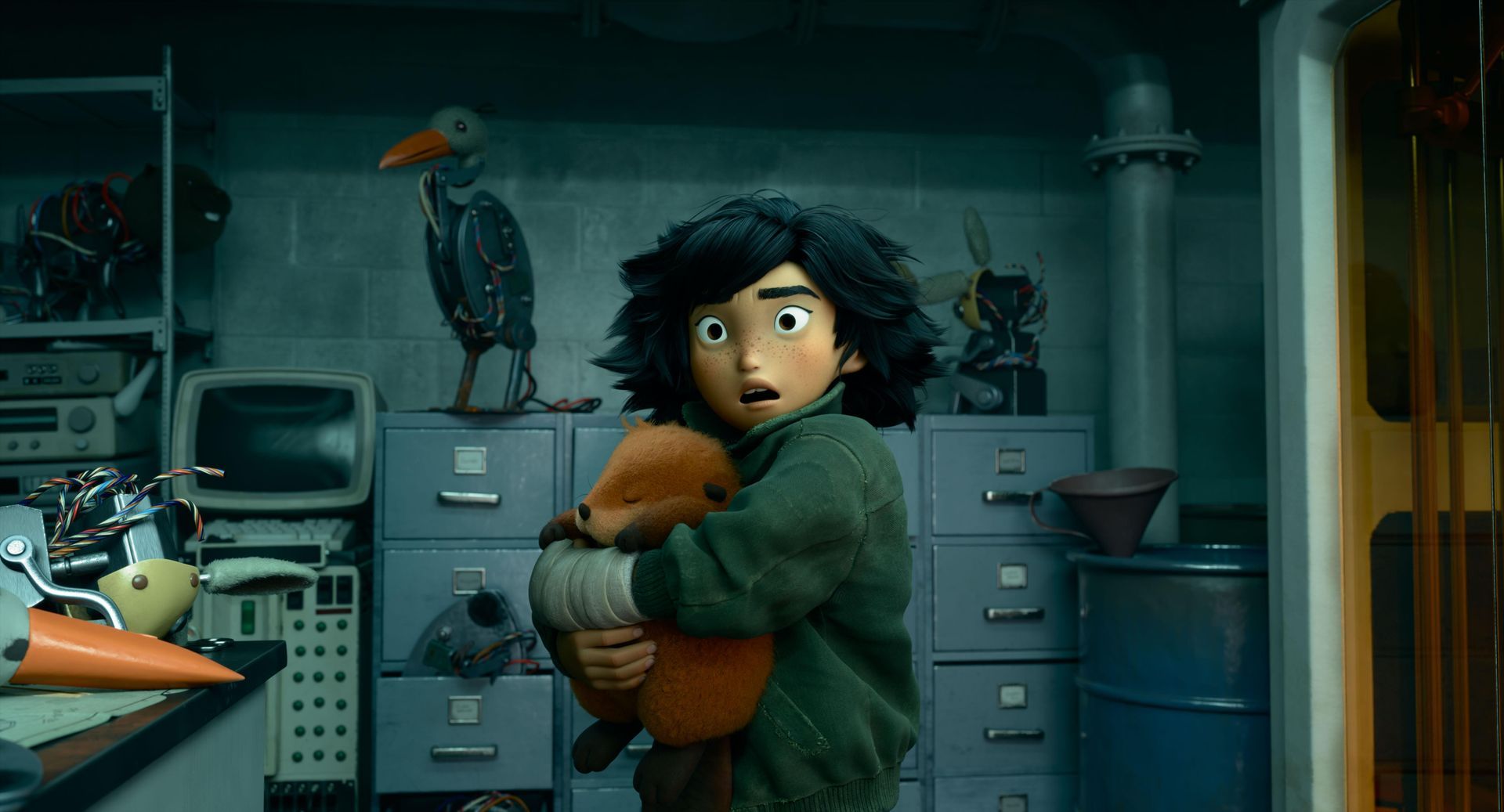
Benjamin Tan’s The Beast in the Woods is a quietly haunting animated short film that explores guilt and redemption with remarkable restraint. Centred on a young girl and a mysterious creature that inhabits the surrounding forest, the story unfolds less as a conventional narrative and more as a meditation on consequence. Simple in its visual design yet emotionally dense, the film relies on atmosphere, rhythm, and implication rather than exposition. Its minimalism is deliberate, allowing the story’s psychological weight to surface without being overstated.
The animation style is sparse and understated, with simplified forms and a dark, muted colour palette that immediately sets a somber tone. Instead of aiming for realism, the piece embraces abstraction, relying on shape, shadow, and movement to express emotion. This sense of restraint carries over into the sound design, which is similarly minimalist. Silence and carefully placed ambient sound effects handle much of the storytelling, building dread and reinforcing the emotional impact of the visuals.
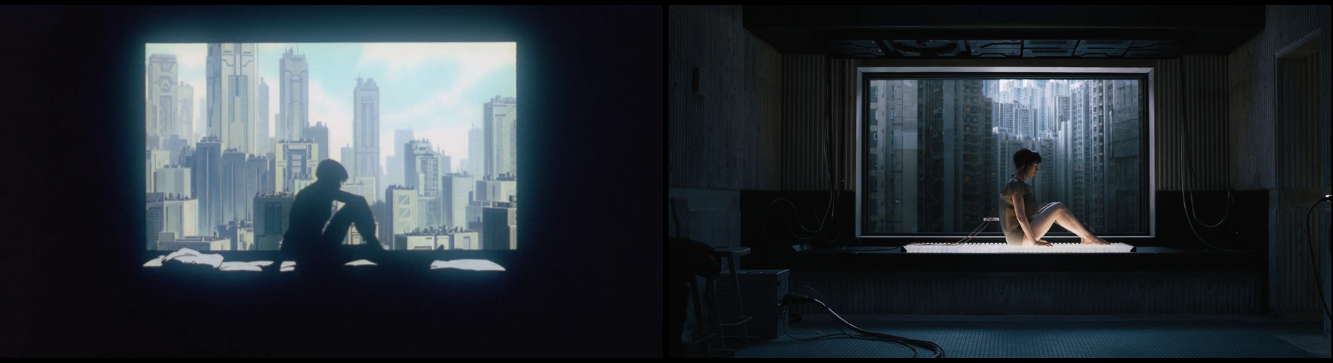
Structurally, the short unfolds in a fragmented, non-linear manner. Events are revealed through cross-cutting and visual echoes, encouraging the viewer to actively piece the story together. Match cuts and repeated imagery create connections across time and perspective, reinforcing the sense that the film is less interested in what happens than in how it is remembered. This approach mirrors the internal logic of guilt itself, which is circular, obsessive, and resistant to closure.
At the centre of the narrative remains that peculiar connection between the girl and the creature in the woods. Their relationship, though never spelled out in explicit terms, forms the emotional backbone of the narrative. What begins as fear gradually gives way to something more complicated, shaped by misunderstanding, inherited belief, and the pressure to conform. Rather than offering clear moral divides, the film invites the viewer to remain with discomfort and ambiguity.
One of the film’s most striking motifs is the recurring image of the eye, which functions as a symbol of perception, judgment, and responsibility. Seeing, in this film, is never neutral. To look is to interpret, and interpretation carries consequences. Through this motif,
The Beast in the Woods shows how communities create their own beliefs, how rituals can hide empathy, and how violence is often justified simply because people are certain they are right.
There is an unmistakable literary quality to the film, reminiscent of dark folklore or Edgar Allan Poe’s bleak moral landscapes. Themes of cult-like obedience, humanity’s fraught relationship with animals, and the thin line between protection and cruelty all surface organically through the film’s imagery. The choice to tell this story through animation is crucial. The beast, in particular, feels emotionally credible in animated form, allowing the film to maintain its symbolic weight without breaking immersion.
Ultimately,
The Beast in the Woods is less interested in providing answers than in examining what comes after. It dwells on the psychological cost of belief and the quiet weight of regret. By trusting its audience and resisting the urge to over-explain, the film becomes a striking meditation on guilt; one that suggests redemption is neither easy nor assured, but deeply and painfully human.