Are We Finally Back?: Backrooms, Obsession, Theatre-going, and the State of the Industry

Yu Jing Lim • June 23, 2026

Share this article

Are We Finally Back?: Backrooms, Obsession, Theatre-going, and the State of the Industry 

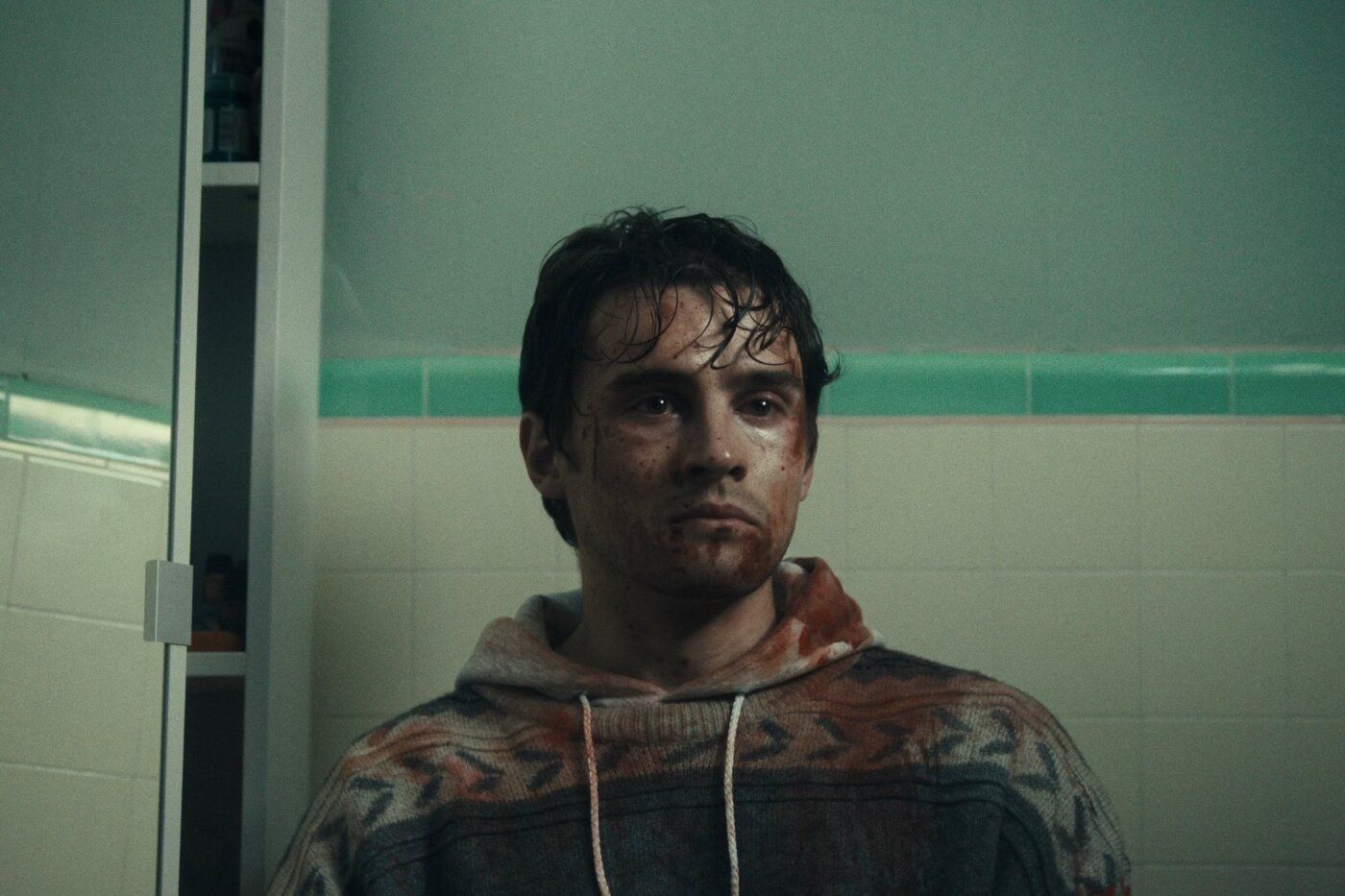
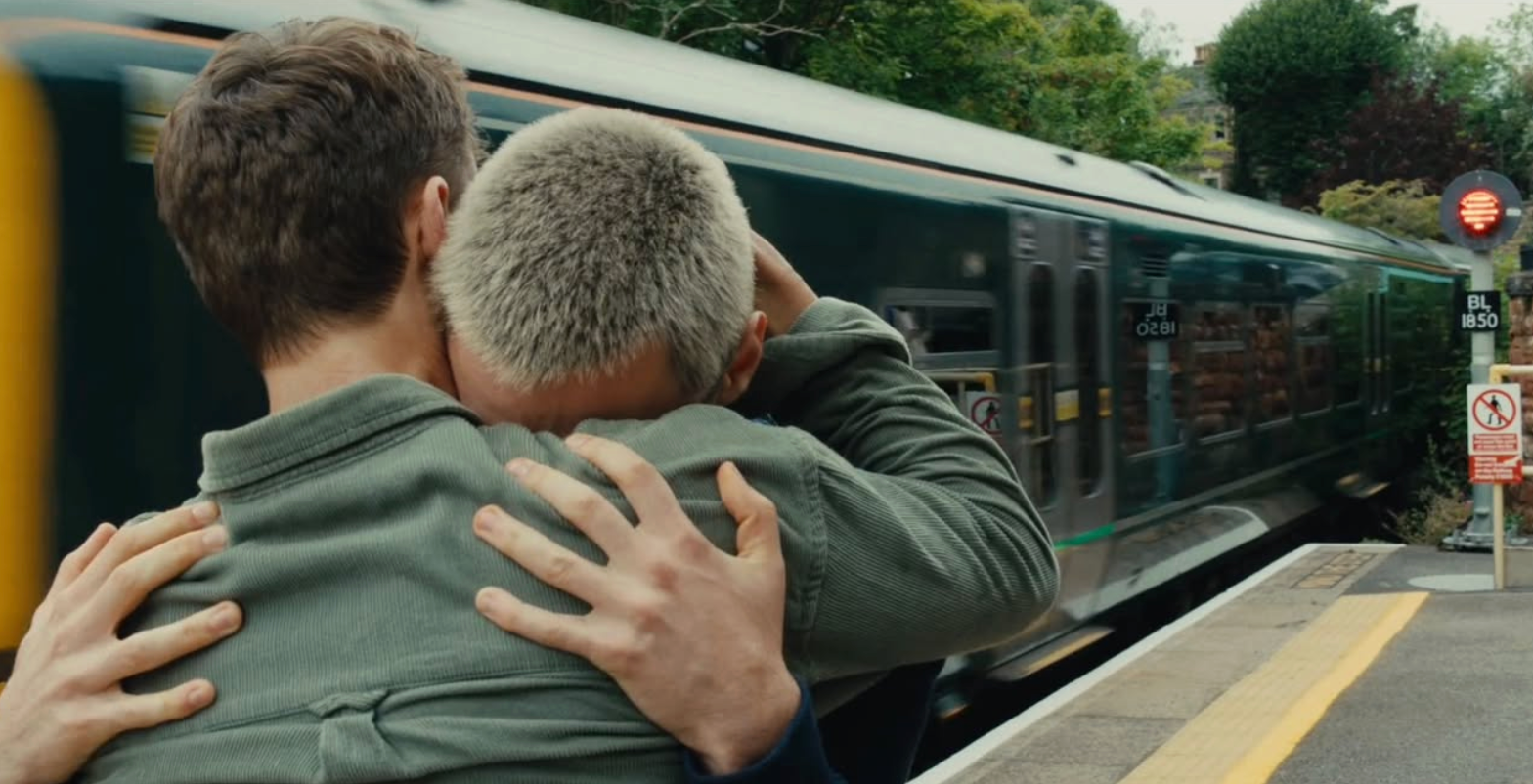
From Obsession, by Curry Barker

We might actually be so back. As I write this, Backrooms has just overtaken Marty Supreme to become A24’s highest-grossing film worldwide. Obsession, a film reportedly made for just US$750,000, has already grossed more than US$224M globally. A few years ago, in the shadow of the pandemic and the 2023 WGA and SAG-AFTRA strikes, numbers like these would have seemed almost inconceivable for low-budget indie horror films of their kind. Yet here we are. 


What makes these particularly striking is that neither film was expected to be competing this strongly with the industry’s biggest players. Backrooms opened to an impressive
US$118M worldwide, outperforming large-scale studio releases such as Masters of the Universe, which opened to only US$54M. Meanwhile, coupled with the film’s unprecedented earning trajectory, Obsession, in its second week of release, managed to outgross The Mandalorian and Grogu in daily box office receipts, despite the latter being in its opening week and backed by one of Hollywood’s most lucrative franchises. 


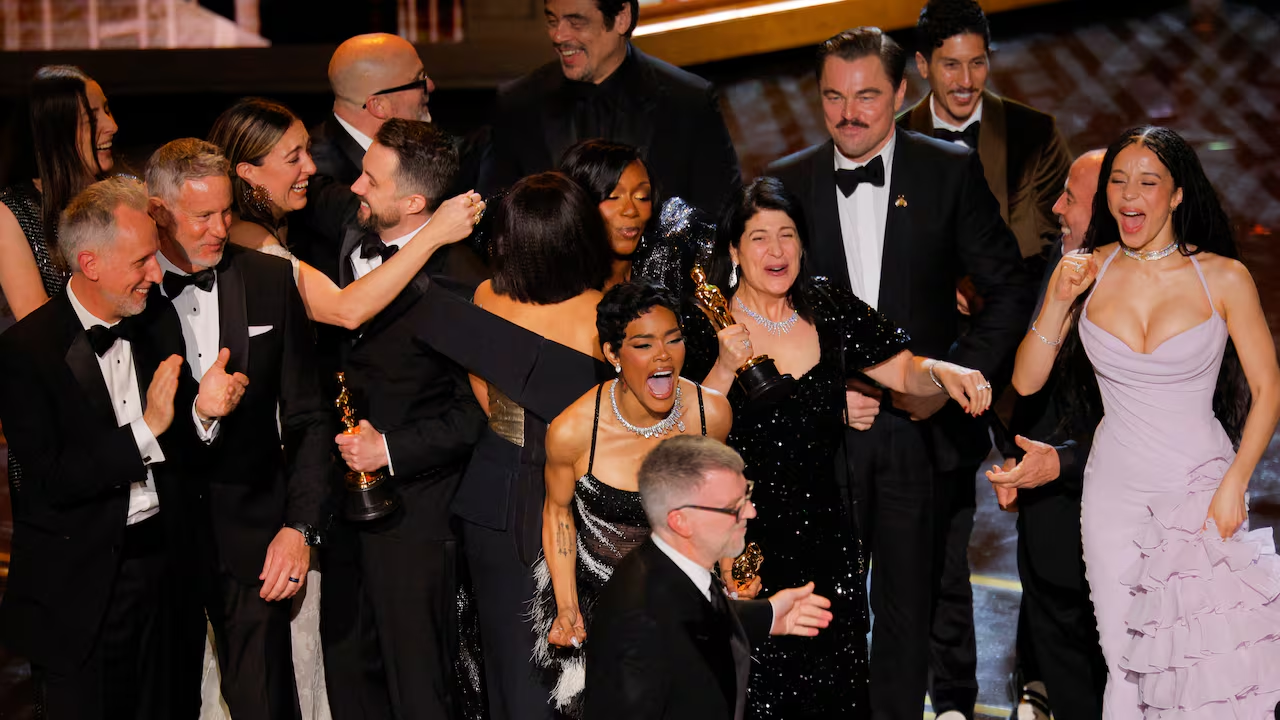
Of course, none of this is to diminish the success of conventional blockbusters, with the performances of recent features like The Super Mario Galaxy Movie and Michael demonstrating that audiences do still turn up in large numbers for studio heavyweights. However, the triumphs of Backrooms and Obsession point towards a potential shift in audience tastes, not only towards original horror projects, but towards bold, auteur-driven films in general, a trend already evident at this year’s Academy Awards with the breakthroughs of films like Sinners and One Battle After Another. For an industry increasingly concerned about superhero fatigue and the diminishing returns of endlessly recycled intellectual property, this should be encouraging news. Rather than spending excessive amounts on familiar franchises, studios may do better in the long term by backing creative voices, investing in original stories, and trusting audiences to embrace something new. 


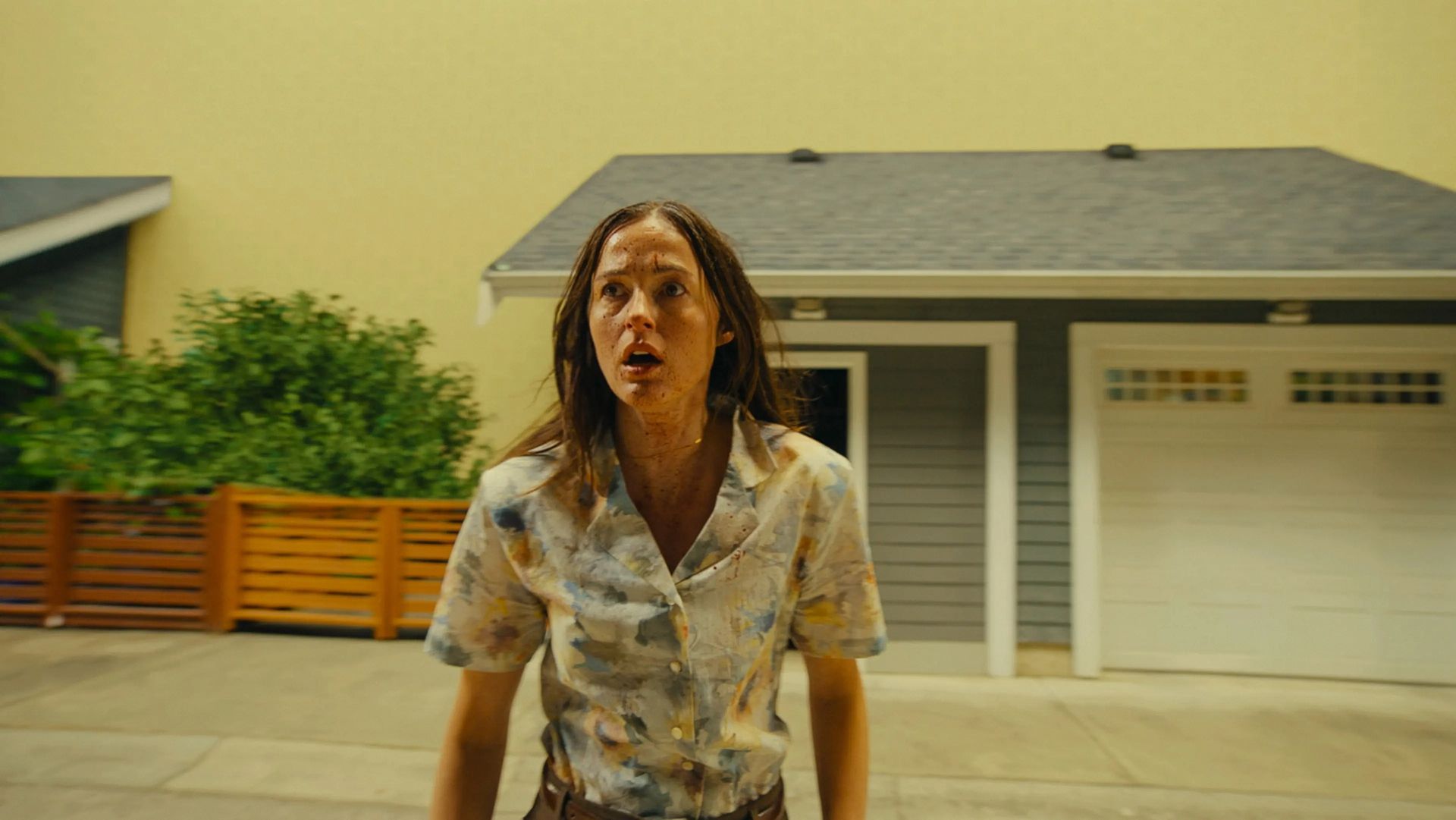
From Backrooms, by Kane Parsons

This optimism is not confined to box-office numbers alone. In recent years, there has been a notable resurgence in moviegoing, particularly among Gen Z and millennial audiences, many of whom have embraced cinema as an important social and cultural experience. Studios appear to be taking notice. Executives have begun to signal a greater willingness to support theatrical distribution, enforce longer windows, and make tickets more affordable. Even Netflix, having long favoured a streaming-first model, has committed to theatrical releases (albeit exclusively) for upcoming projects from filmmakers like David Fincher and Greta Gerwig. Taken together, these developments suggest a growing recognition that cinemas remain an important part of the film industry, not only as venues for exhibition, but also as spaces capable of bringing audiences together in ways that streaming simply cannot replicate. 


In Singapore, too, there are signs that film culture is experiencing its own revival of sorts, with audiences finding increasing opportunities to engage with independent, repertory and festival cinema. Since opening in January, Filmhouse has provided a steady stream of acclaimed titles to local audiences, while independent distributor Anticipate Pictures, responsible for consistently bringing standout films such as
Sentimental Value and The Voice of Hind Rajab to local screens, has already begun work on this year’s auteur-heavy festival lineups. At the same time, organisations like Asian Film Archive and Singapore Film Society continue to expand the range of films available to local filmgoers, with the latest titles ranging from the premieres of Palestine 36 and Nouvelle Vague, to restorations of classics such as Solaris and The Thing. Even major exhibitors like Shaw and Golden Village appear increasingly willing to diversify their programming, allowing titles like Hokum and The Invite to find space alongside more conventional studio fare.

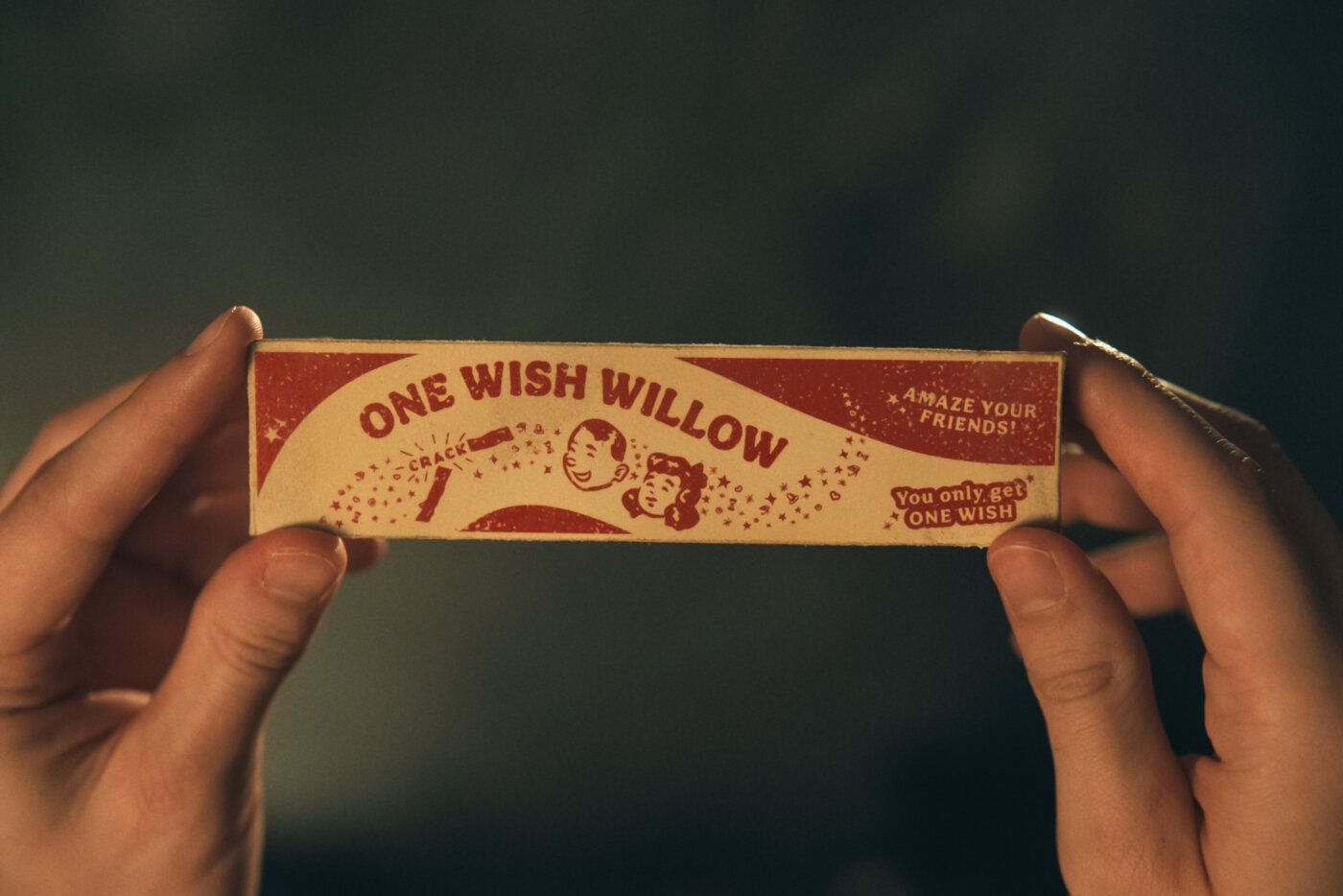
From Obsession, by Curry Barker

Perhaps most encouraging of all is that many of the year’s biggest releases have yet to arrive. New films from Christopher Nolan, Denis Villeneuve, Alejandro G. Iñárritu, David Fincher, Joel Coen, and Werner Herzog remain on the horizon, and if these past few months have been any indication, the industry’s strongest moments may still be ahead of us. 


Those who know me know that the phrase “we are so back” has recently become something that I throw around whenever the conversation turns to movies, but with what we’ve seen so far, it is hard not to feel optimistic. Despite all the noise surrounding the uncertainty of major studios, the rising threat of artificial intelligence, and the ongoing speculation of the industry’s demise, the future of cinema looks encouraging. Films are being made, and audiences are showing up. What remains is for us to sustain this ecosystem by continuing to support the cinemas, distributors, and organisations that make these experiences possible. The challenges facing the film industry may not have disappeared overnight, but for the first time in a long time, it certainly feels like we are headed in the right direction. 


See you at the movies.


---------------------


About the author: Jing’s morning ritual includes refreshing Letterboxd and catching up with all the latest reviews. When not glued to the big screen, you can find them reading, discussing football (visca el barça) and women’s sports, or living in perpetual fear of their ever-growing watchlist. Jing is always excited to connect with fellow film lovers, and can be found on Instagram at @_j.img_ or on Letterboxd at jingsters. 


Recent Posts

By Lixin Foo June 23, 2026
Interview with The Creators Behind ‘Mountain Mountain’ By Lixin Foo 
By Chinmaya June 18, 2026
The Beast in the Woods 
By Elena Goh June 12, 2026
Commentary: Fiction and Vulnerability in Drive My Car (2021) [SPOILER ALERT] This review contains spoilers for the film Drive My Car (2021). 
By Yong Xiang June 9, 2026
City of Small Blessings (2024) “A Certain Degree of Impermanence”: An Interview with Filmmaker Wong Chen-Hsi
By Lixin Foo June 9, 2026
Primavera (2025) dir. Damiano Michieletto Operatic stage director Damiano Michieletto’s staunchly feminist portrait of a violinist and her mentor is a virtuosic feature film debut.
By Yiheng May 29, 2026
The Riskless Joyride of Marty Supreme
By Jun Sen May 22, 2026
Ikiru - To Live Or Not To Live? A narrative analysis by Jun Sen of Akira Kurosawa’s Ikiru (1952) – what it means to truly live.
By Jun Sen May 14, 2026
In Conversation with Seth Cheong An interview with Seth Cheong on his unconventional filmmaking journey and process, hailing from a non-film school background.
By Chinmaya May 7, 2026
Film Review #199 Film Critics Lab Resurrection
Show More