The Riskless Joyride of Marty Supreme
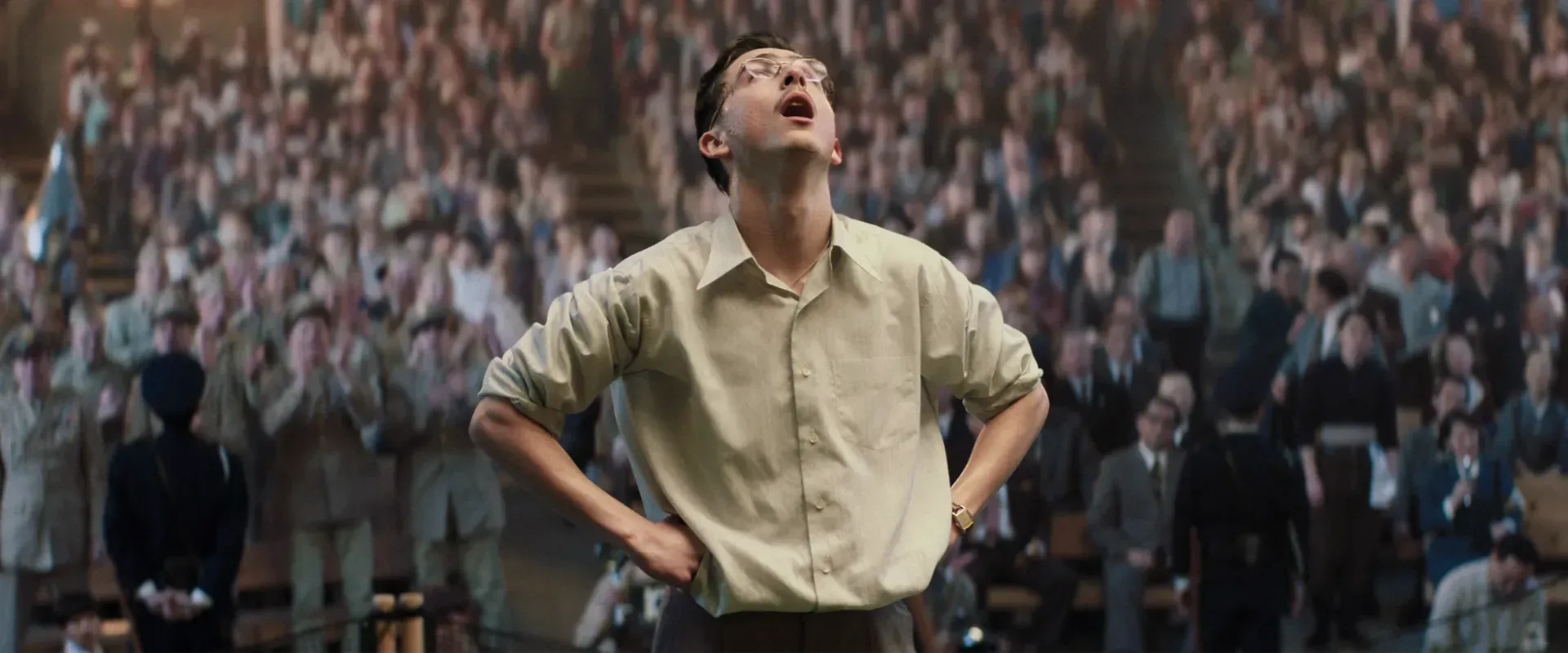
Marty Mauser, played by Timothee Chalamet in what critics and audiences are calling his career-defining performance, is the almost-eponymous protagonist of the film. If the story of the film spends its almost two and a half hours of runtime interrogating what it means for Marty to be “Supreme,” Marty Supreme itself arrives bearing a quieter, parallel question. It marks Josh Safdie’s first solo directorial foray into feature filmmaking, following the unceremonious split from long-time collaborator and brother Ben Safdie; a parting that tasks the film, too, with proving what this new identity means.
Marty Supreme follows a signature Safdie formula perfected in 2019’s Uncut Gems, the last feature directed together by the pair. Josh Safdie once again collaborates with writer-editor Ronald Bronstein and composer Daniel Lopatin, whose jittery, synthesised score works in tandem with the film’s frantic cutting and restless camera movements. Both films follow the story of obsessed individuals who stop at nothing to achieve a goal through willpower, cajoling, and deception — fertile ground for creating characters that are exhilarating to watch.
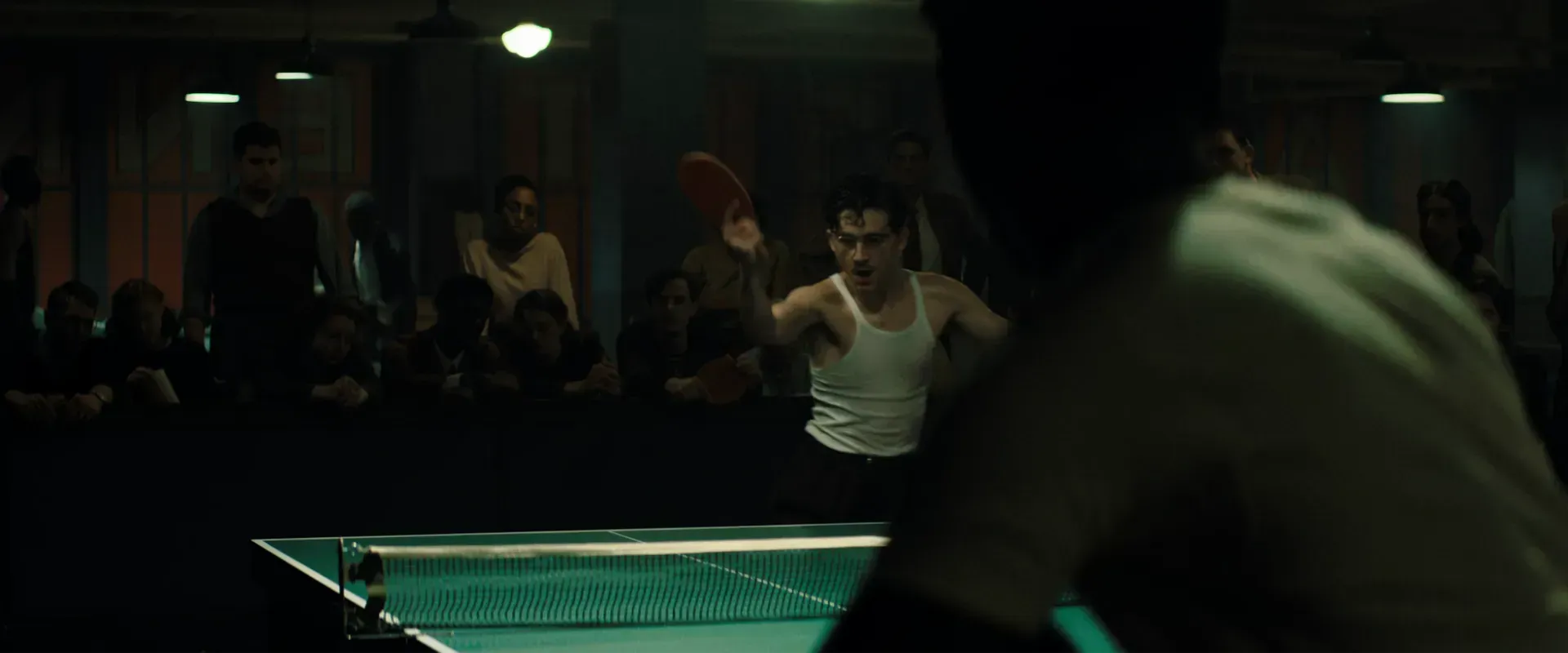
However, unlike Adam Sandler’s Howard Ratner, Marty Mauser is driven by ambition and not addiction, a key difference that ultimately makes it much harder for audiences to sympathise with Marty: ambition is a choice, while addiction often isn’t. Where Uncut Gems uses its formal brilliance to mirror compulsion and self-destruction, Marty Supreme deploys the same techniques to overload our senses, placing the audience inside Marty’s headspace: always rushing, always scheming, never still. He dreams of being a Ping-Pong superstar, or as he puts it, the “face of the entire sport in the U.S.”. What’s clear here is that he doesn’t simply wish to be the best at the sport (it is debatable whether or not he even cares about Ping-Pong at all), he unequivocally wishes to receive supreme recognition of that fact. Undoubtedly, writing a character as narcissistic and self-indulgent as Marty is a challenge in itself, and energising that narcissism through formal bravura is even more exciting to watch unfold on screen.

Marty’s tall ambitions cast him as the underdog, as he is flung around his native New York, searching for cash to fly to overseas table tennis tournaments. This yields a series of entertaining hijinks that foregrounds Marty’s fast-talking, wise-cracking personality, including Ping-Pong scams with childhood friend Wally (Tyler, The Creator), a robbery at gunpoint conducted like a business transaction, and soliciting employment from a man whose arm was recently crushed by an errant bathtub. There are few moments where Safide brings us into the mind of Marty, instead focusing on creating a freight train of frantic montage.
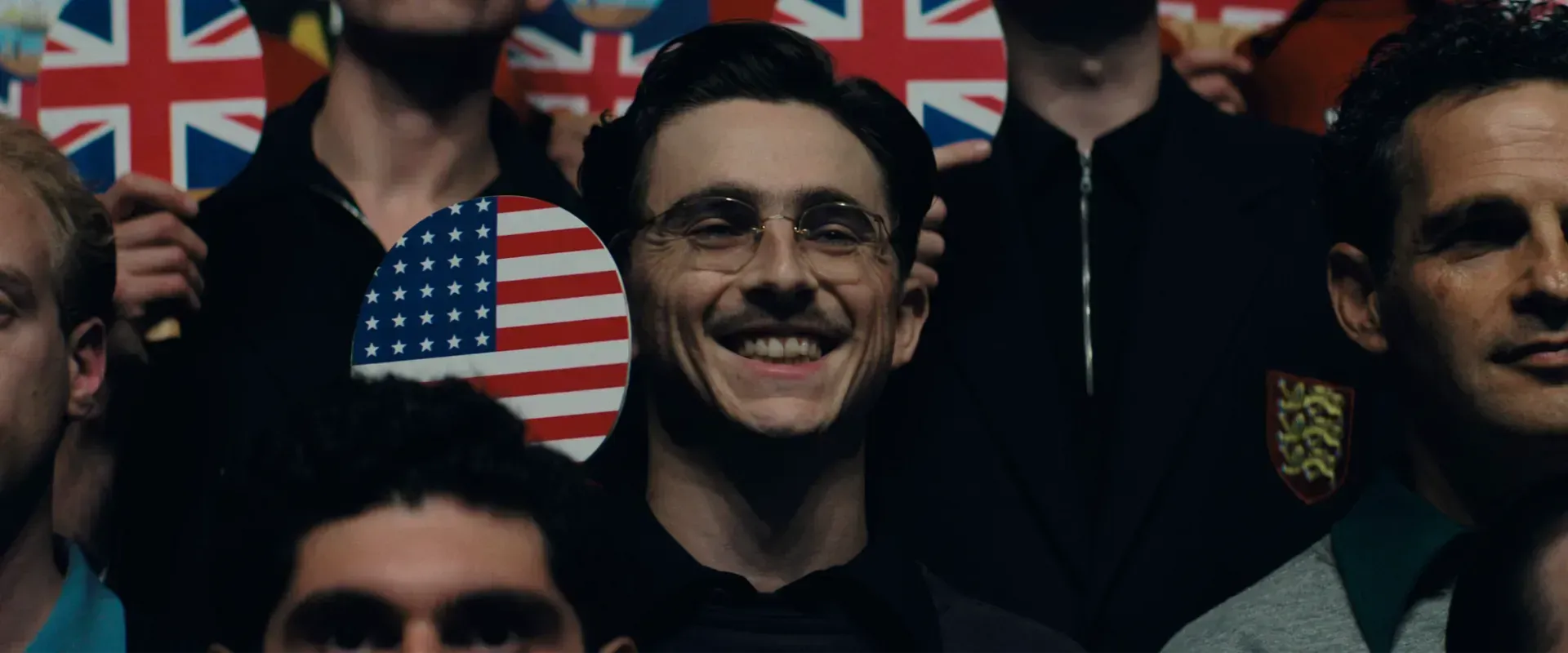
The host of characters in Marty’s life all stand in opposition to his goal. Some are obvious, like his uncle Murray (Larry Sloman) who pleads with him to grow up and start taking care of his aging mother Rebecca (Fran Drescher), or Koto Endo, played by a real-life Japanese table tennis talent, who “steals” the title of champion from him at Wembley Stadium. Some appear as friends or supporters, but ultimately slow Marty down in his pursuit. Most notable is Rachel Mizler (Odessa A’zion), a young married woman who is Marty’s girlfriend – when it’s convenient for him – and the mother of his child.
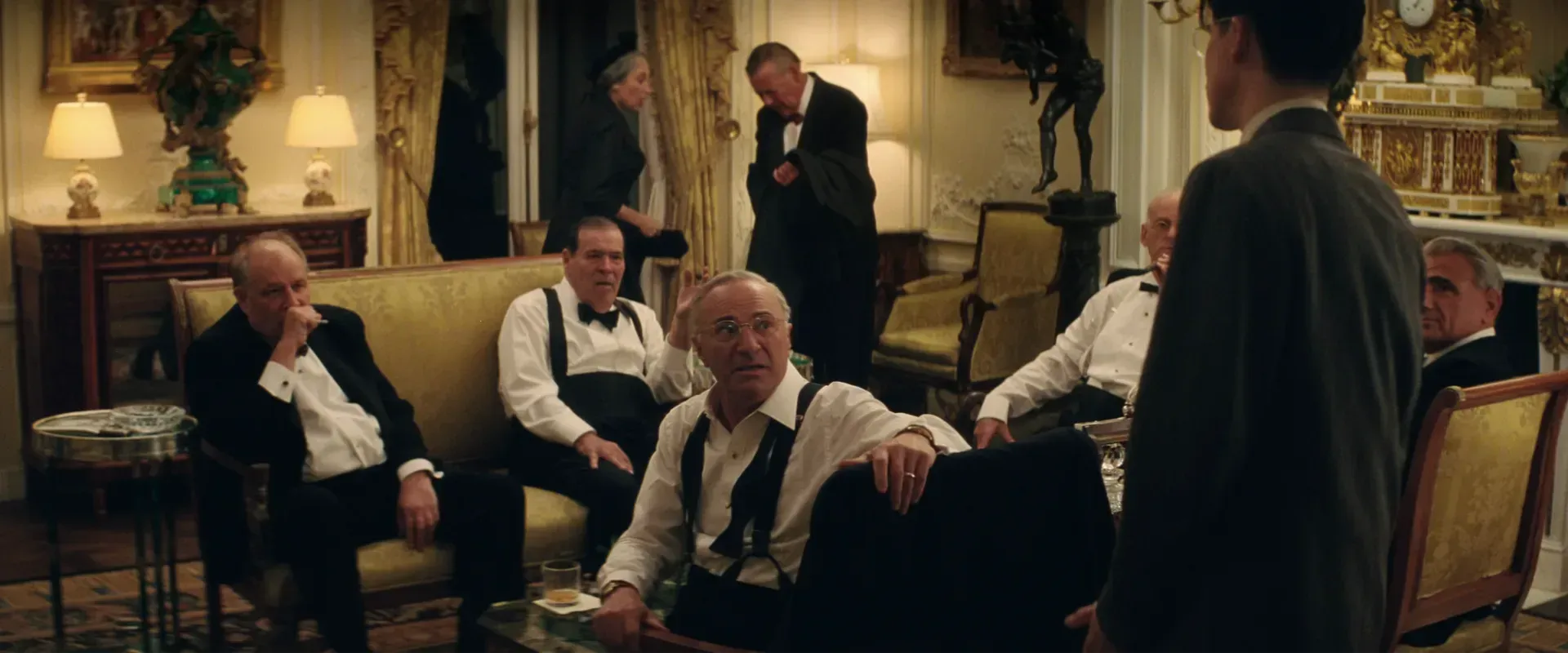
And when Marty’s harebrained schemes fail to bear fruit, he is forced to bow to Milton Rockwell (Kevin O’Leary), a stunt casting effort that could initially seem tacky, instead offering real narrative insight. Their dynamic is thematically rich, acting as a pointedly ironic critique of how the old guard hoards wealth, status, and power, gatekeeping the American Dream from young hopefuls. Granted, O’Leary is only so good in his role because he practically plays himself, his acting chops moulded through his experience portraying the unpleasantly entertaining “Mr. Wonderful” on Shark Tank. In a key scene, Marty suffers a verbal (and physical) beating from Milton, debasing himself to earn his ticket to Japan.
Evidently, Safdie intends for Marty to be an unsympathetic character for a majority of the runtime, as he dodges real-world responsibility in favour of a headless fantasy. Marty falls nicely into an informal but increasingly familiar lineage of “Sigma Male” movie characters that have gained admiration in Internet spaces: typically white men who are mythologised and pedestalised by audiences despite being narratively framed as failures rather than ideals. Examples include Travis Bickle (Taxi Driver) and Walter White (Breaking Bad). All of these characters are idolised for similar reasons, as they tend to reject societal conventions to indulge in their own fantasies.
SPOILER WARNING: THE LAST FEW PARAGRAPHS OF THIS ARTICLE WILL MOST DEFINITELY SPOIL THE ENDING. READ AHEAD AT YOUR OWN RISK OR COME BACK TO THIS POINT AFTER WATCHING IT FOR YOURSELF.
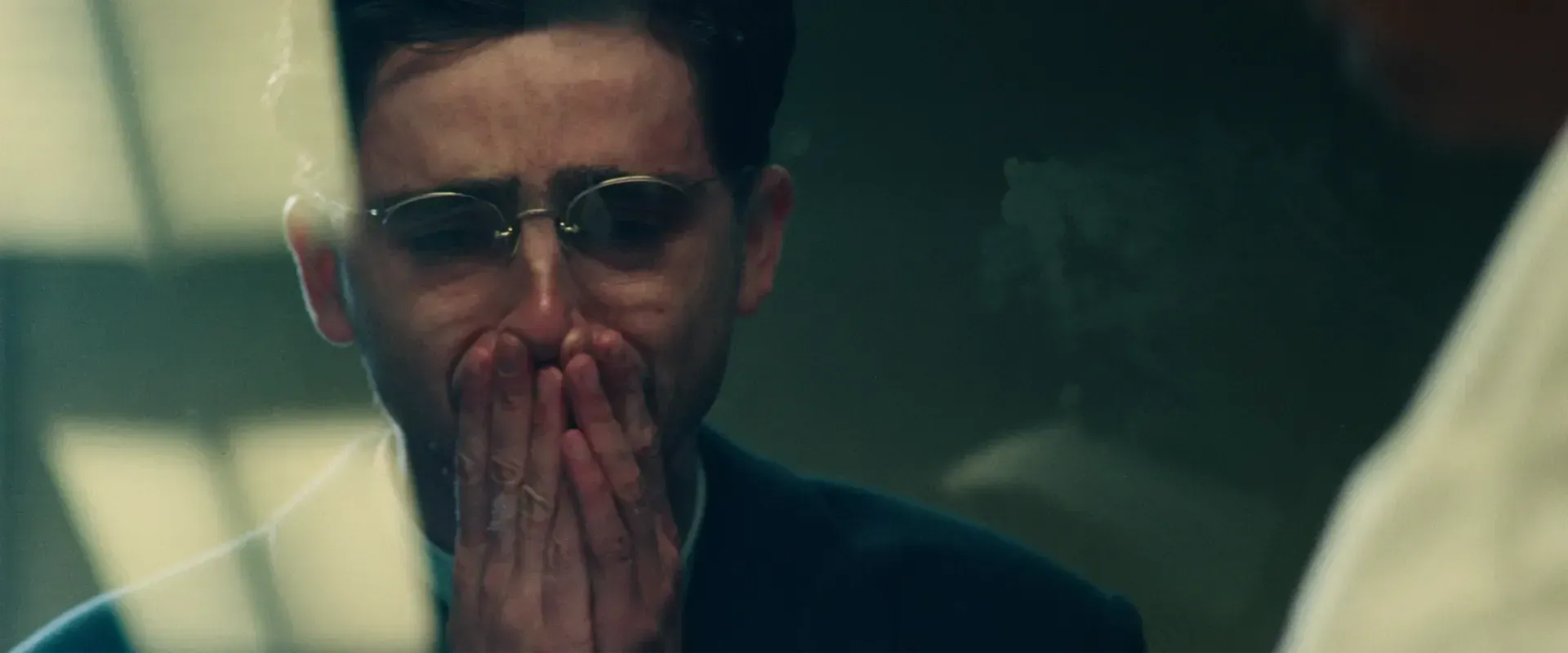
What’s different for Marty, though, is that his fantasy of supremacy is never truly endangered or altered in his mind. To him, he’s still Marty Supreme, which makes for almost flat character development. He casts aside his relationship with his mother and the film writes it off in a few scenes. His fleeting affair with washed-up actress Kay Stone (Gwyneth Paltrow) feels like it could teach him a lesson or two about the hollowness of success, but it ends as suddenly as it began. Only at the very last minute, as his dream is veritably crushed (ironically through besting Koto Endo), do we see him come to grips with reality, rushing back to witness the birth of his child.
It is this ending that leaves the most to be desired, as if those last few minutes of redemption and humility asks us to wipe from our memory Marty’s boorish, entitled, and childish behaviour that we witnessed for the past two hours. The audience is led to believe that relinquishing his Ping-Pong ambitions is Marty’s lesson learnt, but the film has not done the work to convince us that this relinquishment signifies anything deeper than a temporary pause. It dodges the harder task of writing real and humbling growth for Marty.
As a film obsessed with kineticism, it balks at the stillness required for genuine reckoning. Safdie’s camera and story are always in a hurry, perhaps at the expense of a more nuanced, tragic, or hopeful conclusion. Marty’s final turn toward groundedness feels less like an earned insight, more a narrative convenience, a way to dismount without fully interrogating the cost of the joyride.
This is not to deny the film its considerable pleasures. As a feat of craft, Marty Supreme is exhilarating. Perhaps that is the point. Or perhaps it is the film’s greatest missed opportunity. In the end, Marty Supreme is a thrilling, impeccably engineered experience that refuses to risk emotional consequence. It takes us on a breathless ride, lets us feel the speed and swagger of its protagonist, and then gently sets us back down before the crash. A riskless joyride, expertly driven, but not quite interested in asking what happens when Marty has nowhere left to go.
About the author: Yiheng dedicates a significant portion of his time staring at screens. On theatre, laptop, and television screens, he can be found watching films of any kind. On his phone screen, he wages a life-long battle with his Letterboxd watchlist, perpetually trying (and failing) to clear it.
This review is published as part of *SCAPE’s Film Critics Lab: A Writing Mentorship Programme, with support from Singapore Film Society.