
Film Review #179: Resurrection
Film Review #179: RESURRECTION
Bi Gan's ode to cinematic history is a lavish affair, with stagecraft and his signature long takes drawing the audience into each scene. Resurrection excels at technical mastery: the light and shadows work together to mesmerise, the moments of catharsis come in ebbs and flows, pulsing with the rhythm of each dream. Like the metaphorical piece of wax that slowly melts into oblivion, we play witness as Bi Gan narrates his vision: the death of cinema.
The premise of
Resurrection
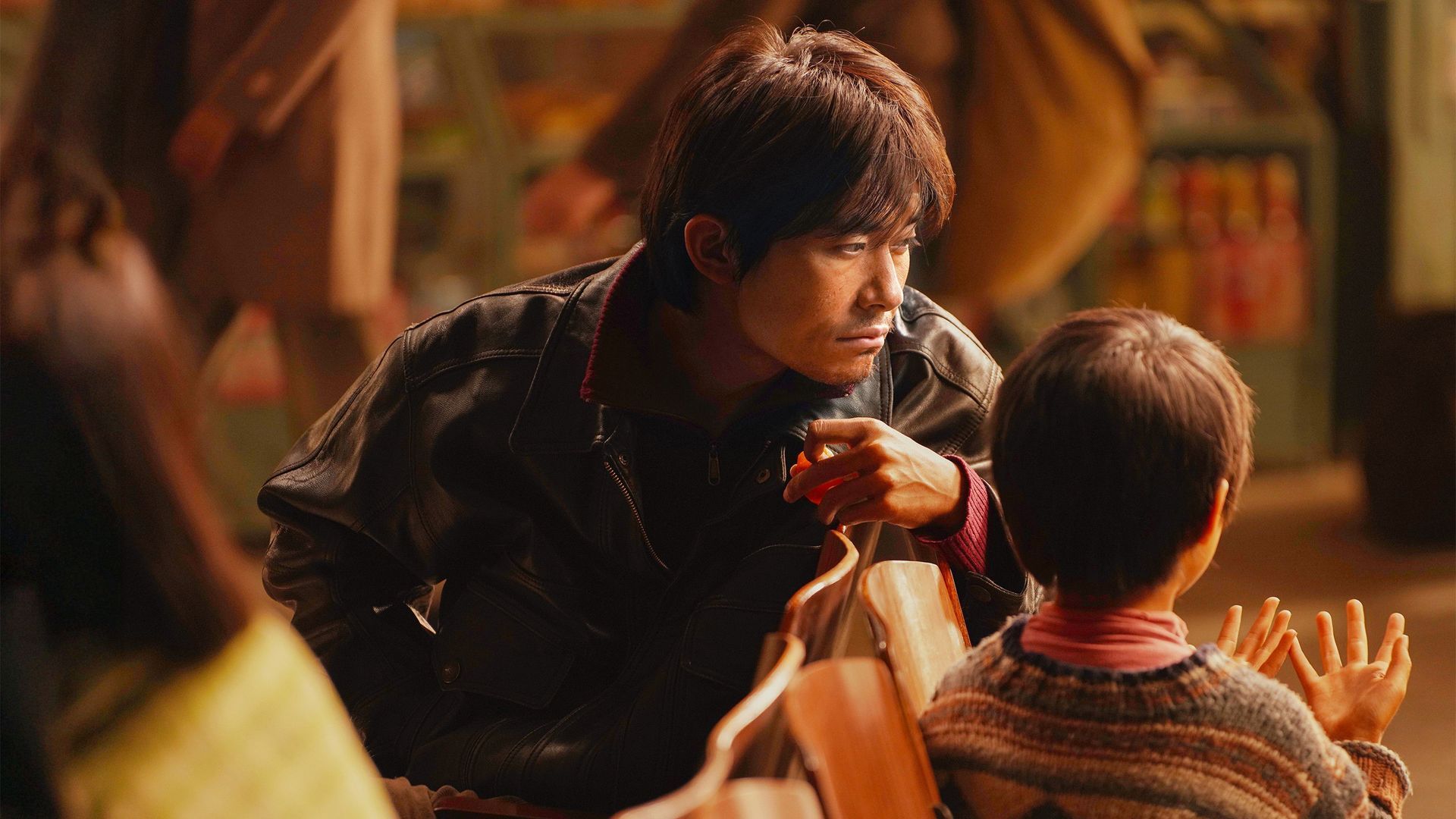
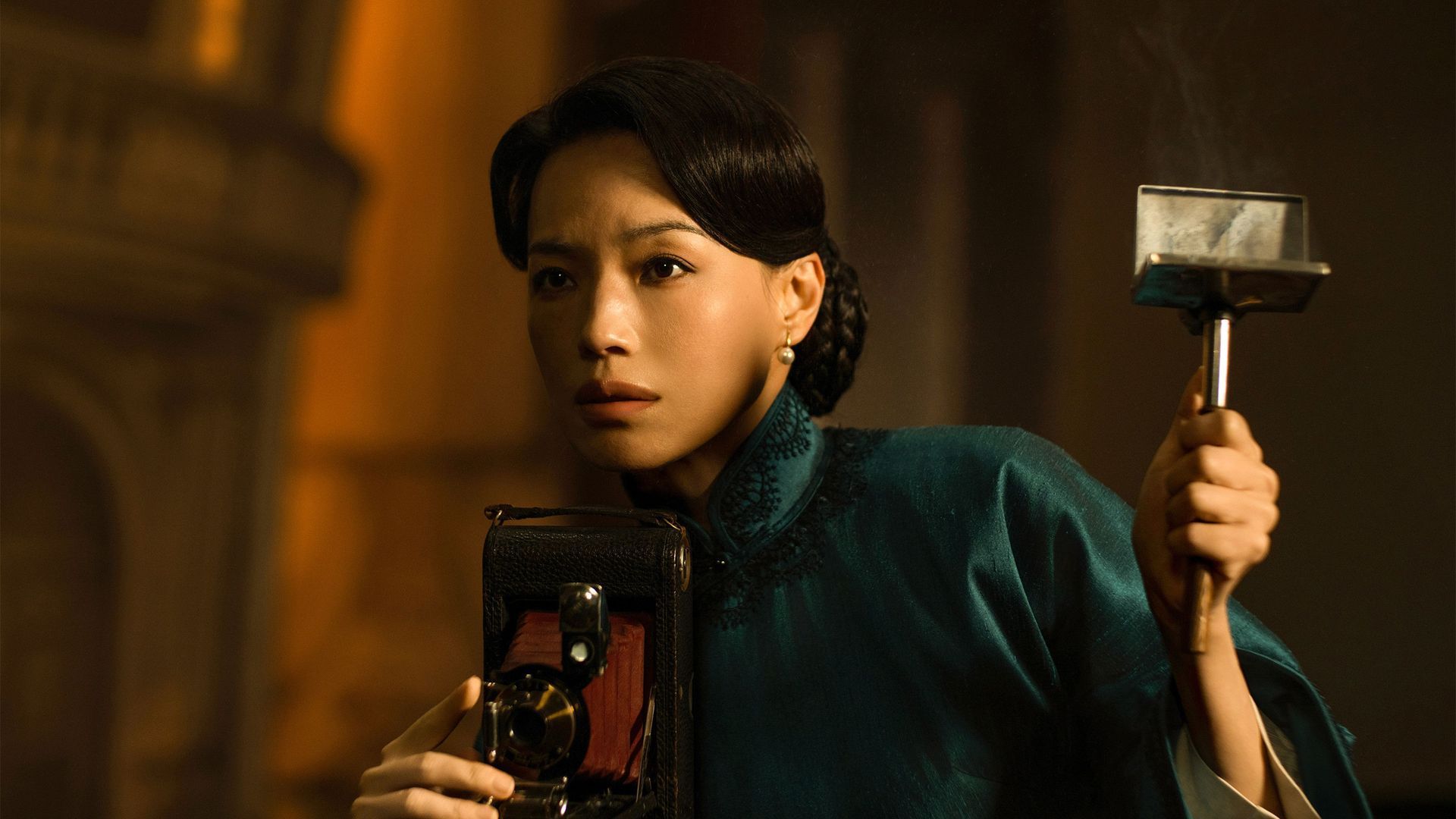
draws parallels to the art of storytelling, where the ability to dream has been sacrificed for longevity. The only thing that is still able to dream is the Deliriant - an inhumane creature with rotten skin, who bears the gift of flowers for Miss Shu (played by Shu Qi). Cinema in comparison to other art forms has been around for a tiny blip in history, and is now already heralded as a dying practice. Bi Gan’s lamentation that the act of storytelling is dying holds some truth in it, but in his bid to be the storyteller, embodies the struggle as well. Film, like other art mediums, can be left to interpretation, and perhaps, the epiphany is hidden in the many folds of the Deliriant’s dreams.
Resurrection pays homage to many genres, including film noir, German expressionism, and period pieces. The Deliriant dreams of four stories, thematically connected by a common thread: sensory experiences The cinematic experience is unfortunately limited to only sight and sound, and yet, the audience is given enough moments of frisson, when we are shaken to our very core. The smoke and mirrors of cinema embrace us with its illusion, when both reality and fiction blend. The question is: can we convince ourselves of this fantasy that we’re invited to partake in?
I think Resurrection highlights Bi Gan’s pessimism toward the state of cinema. He starts off with the celebration of its beginnings - short silent films which were an experiment and exhibition of the medium - then proceeds with the gothic theatrics of German Expressionism which were prominent during the era of Nosferatu (1922) and The Cabinet of Dr. Caligari (1919), making it obvious to us that he has an attraction to nostalgia for the earlier years. Amidst the pain of facing a ‘dying’ art, his passion for film making clearly shines through.
Despite leaning into an abstract nature and more philosophical ponderings, I still think that this film absolutely deserves to be seen in the cinema. It’s a behemoth of cinematography that demands the big screen. Each era the film reflects in its fragmented dream is a contained story, yet, it all comes together to give us a cinematic journey that reminds us of why we fell in love with the medium in the first place.
Watch Resurrection in Shaw cinemas now.
---------------------
About the author: Ivan Chin is a film critic who hopes to spotlight not only East Asian films, but homegrown films and directors to a larger audience. He has a penchant for films from Hong Kong and Taiwan, but is constantly seeking to expand his film repertoire. He believes that film as an art form is essential to the human condition.