Film Review #194: 100 Metres

Kyle Pillai • February 23, 2026

Film Review #194:  100 Metres


Hope. Glory. Disappointment. Setback. Fatigue. Satisfaction. Frustration. Achievement. Along with every other feeling. 


In those few seconds, the 100 metre dash becomes a microcosm of life itself. 


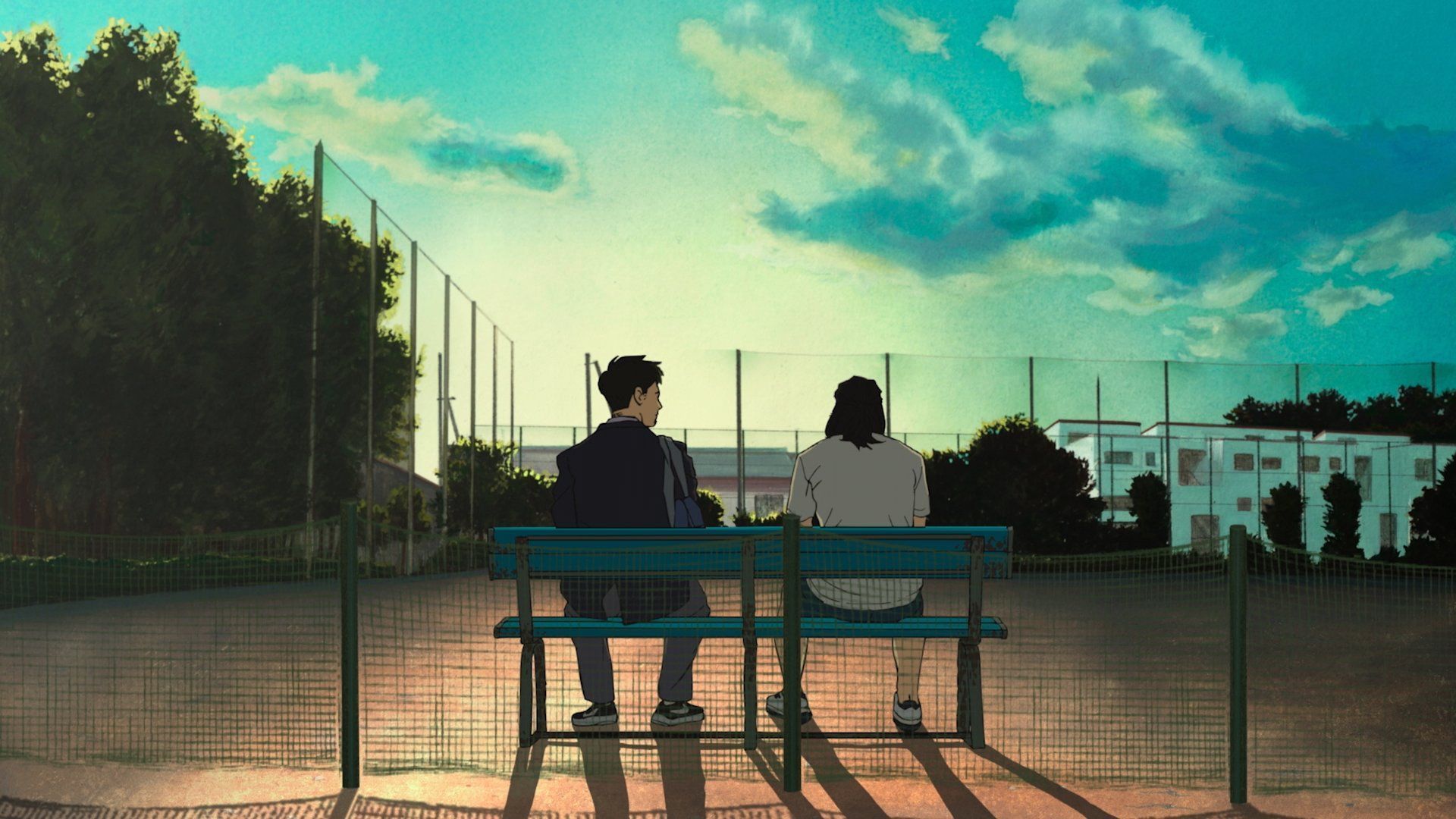
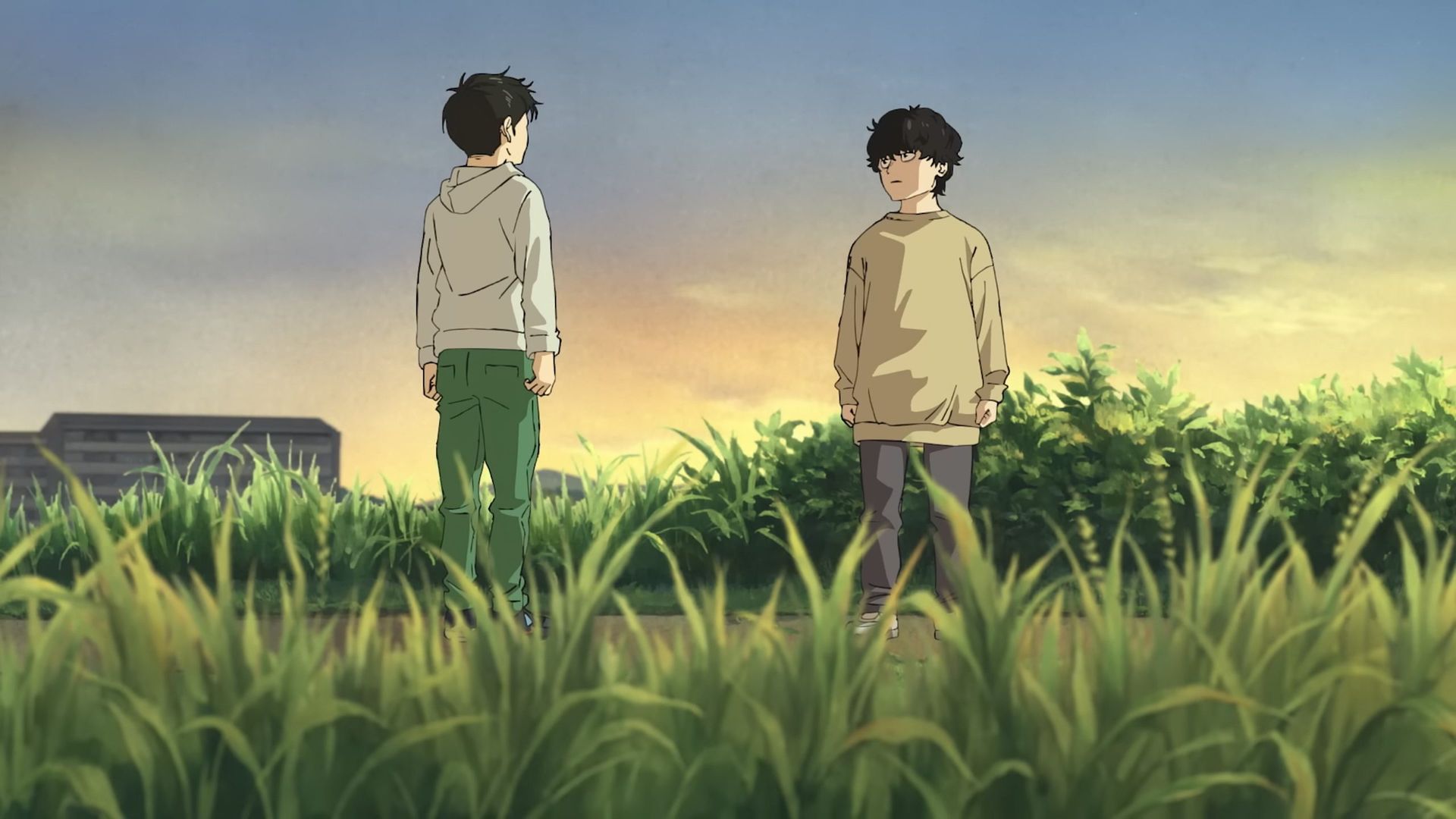
In his sophomore animated feature film, Director Kenji Isaisawa brings 100 Metres, an adaptation of a manga with the same title, to moving life. The film follows Togashi, a boy who is naturally gifted at sprinting, from sixth grade all the way to adulthood. In his schooling years, he meets Komiya, who is full of determination but lacking technique. They forge a bond through their passion for running, and eventually become fierce rivals on the track.


While the majority of sports films revolve around themes of resilience and the power of indomitable human spirit, 100 Metres probes deeper into the ‘why’s. What exactly is it about ourselves that makes us want to push ourselves to the limits? There’s something innate about our humanity that drives us to obsession, staking everything on a 10-second sprint, both literally and metaphorically. 


These philosophical musings are grounded in reality. In the sporting world, for instance the quadrennial FIFA World Cup competition for football, players often play through potentially career-ending injuries for a mere shot at glory. It’s a once in a lifetime opportunity to etch your name into history. “Give up your body because it’s just a collection of cells. Glory is forever,” the top runner in 100 Metres’ universe comments. Although most of us are not professional athletes, the same ideology rings true. In our Singapore society, hustle culture remains a predominant attitude, as we continuously seek the highest form of attainment, whether in wealth or stature. This brutal belief also exists in Komiya, as his determination to achieve success hints towards physical ruin. 


But 100 Metres offers a counter - that glory can be rendered meaningless. “It’s lonely at the top” might be a common adage in the sporting world to mock those far beneath the victor, but it takes on a different quality in the film. The further and faster our characters run, the more isolating the journey becomes, as there is no one to run alongside them. Nevertheless, we witness the athletes in the film essentially destroy their bodies for a mere shot at glory. 


*THE FOLLOWING TWO PARAGRAPHS CONTAIN MINOR SPOILERS.

PROCEED AT YOUR OWN DISCRETION, OR SKIP TO THE END.*


Komiya is consistently warned about his shoddy running form throughout the film. Having broken his leg once at a younger age, he struggles to reach his full potential over a fear of permanently damaging his leg. Yet, he continues the pursuit, suffering through, sacrificing his body wholly to break all the running records in Japan. It’s a painful process for the audience to witness, as we reconcile with this warped sense of purpose. Running becomes a joyless act that is only motivated by desire. 

On the other hand, beyond ‘winning’, the film also tackles the opposite: the harsh reality of ‘coping with losing’. In his schooling years, Togashi is hailed as a prodigy, finding joy in the recognition that comes with winning. In high school, racing with his teammates allows him to find an appreciation for the sport again. However, these achievements come crashing down as Togashi ages. He loses his joy for running, and injuries have left him a mediocre runner on the decline. The struggles of the “gifted child syndrome” manifest into a greater struggle of purpose.


*SPOILER ENDS HERE*


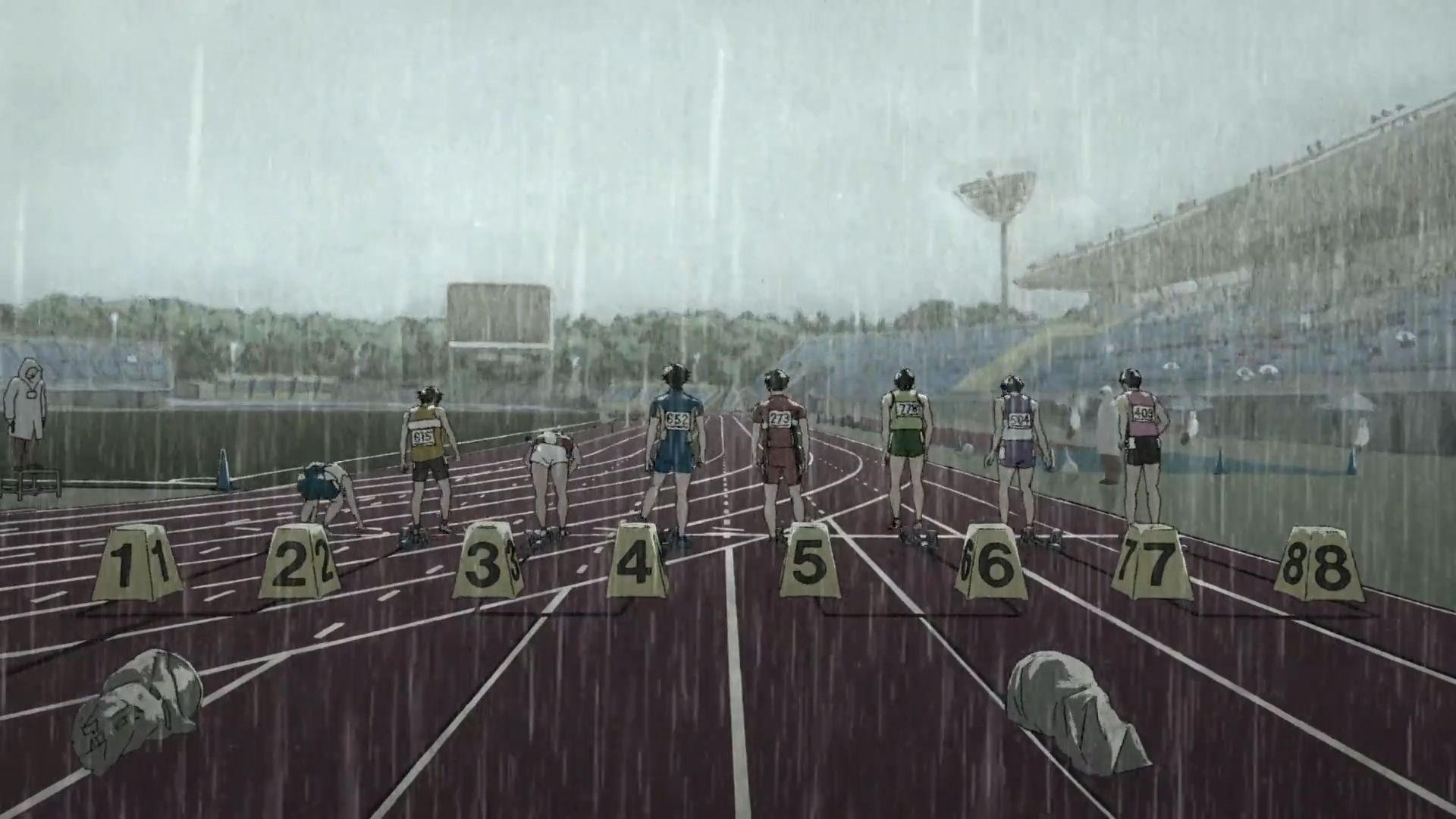
100 Metres also utilises an unorthodox form of animation, with slower frame rates and a heavy emphasis on rotoscoping. Such techniques allow for the physicality of the characters to shine through, allowing the running sequences to feel visceral and emotive. There’s a long take in the middle of the film utilising the technique. As Togashi prepares for a race, the rain pours relentlessly, emphasising our main character’s emotional turmoil. It’s a mesmerising one take which manages to capture the beautiful complexity of running — an amalgamation of frustration and tenacity. 


Although the film largely went under the radar, I’d argue it was one of the best animated films in both technical prowess and storytelling in 2025. It’s a shame it has been overlooked by award ceremonies, as 100 Metres moves beyond a typical sports drama to become an exploration of the human psyche, our ‘whys’, and the very essence of our being. 

---------------------


About the author: Kyle is an aspiring creator and artist who is currently majoring in Communications. He’s always curious about different forms of art and is interested in unpacking the psychology and the intricate, vulnerable emotions behind creations. When he’s not in the cinema, he’s probably discovering a new album to listen to, reading, writing or obsessing over a random hyperfixation for the month. 


This review is published as part of *SCAPE’s Film Critics Lab: A Writing Mentorship Programme, with support from Singapore Film Society.

BLOG

By Han Yiheng February 23, 2026
Trust the Process: Giselle Lin on Children’s Day, Shooting on 16 millimeter, and Teaching Film
By Lixin Foo February 14, 2026
#FilmFest Guide: TIFF 50
By Benjamin Choo February 13, 2026
“Why does she have so many pictures of herself?” – Piecing together Following (1998)
By Ivan Chin February 13, 2026
Film Review #192: RENTAL FAMILY
By Chinmaya February 13, 2026
Film Review #191: Kaantha
By Rachel Xia February 13, 2026
Night King: When the Neon Lights of Old Hong Kong Glow Again 《夜王》:当老港片里的霓虹灯,再次亮起
By Jing January 31, 2026
Film Review #189: Withered Blossoms
By Chinmaya January 28, 2026
Film Review #188: Bugonia
By Kaela Teh January 28, 2026
The Lost Youth and Digital Loneliness of All About Lily Chou-Chou
By Jing January 17, 2026
Seeing from a Distance: Modern Life through Edward Yang’s Lens in Yi Yi
More Posts