

Film Review #192: Rental Family
Film Review #192: RENTAL FAMILY
*This film review may contain plot spoilers, reader discretion is advised.*
On the outset,
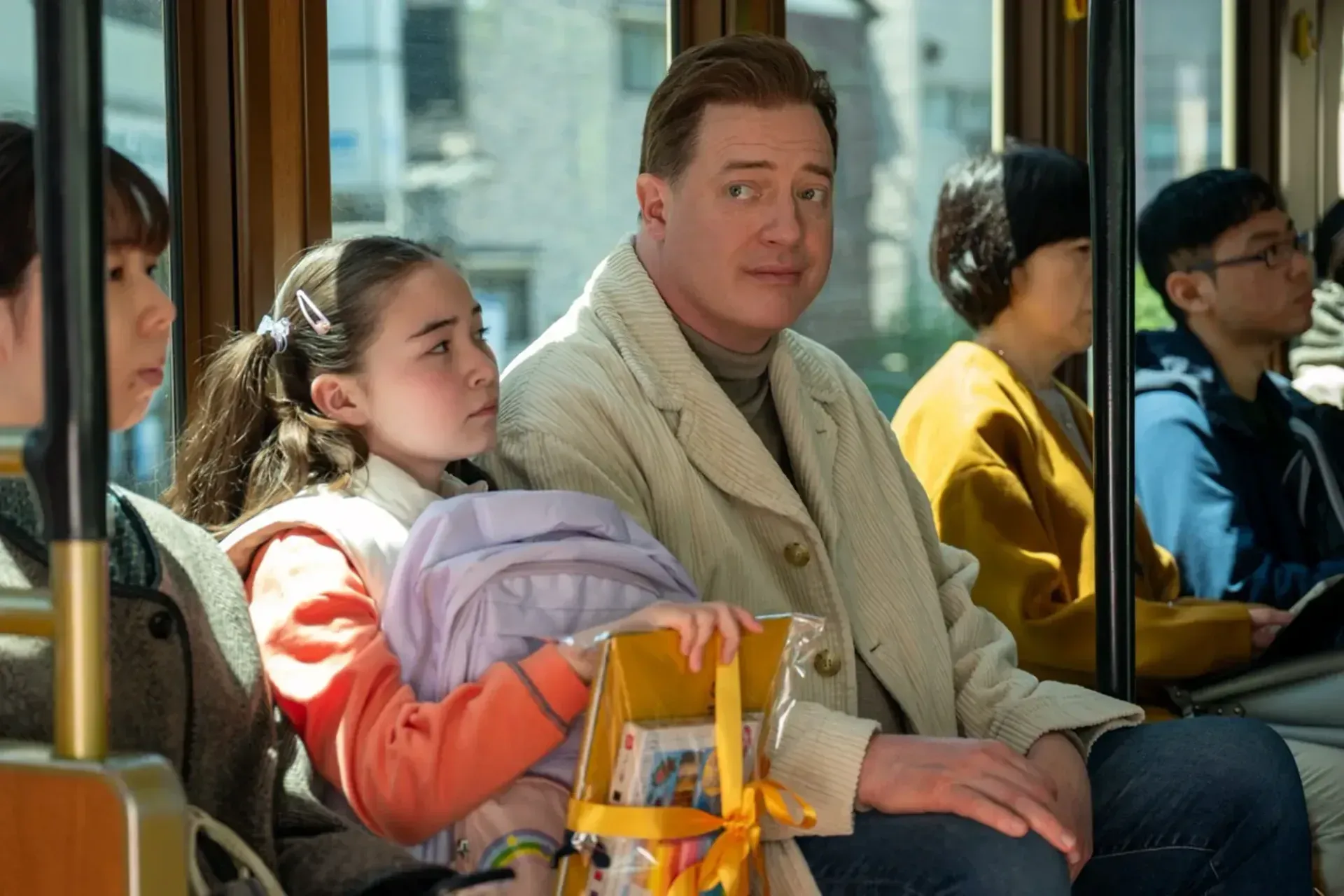
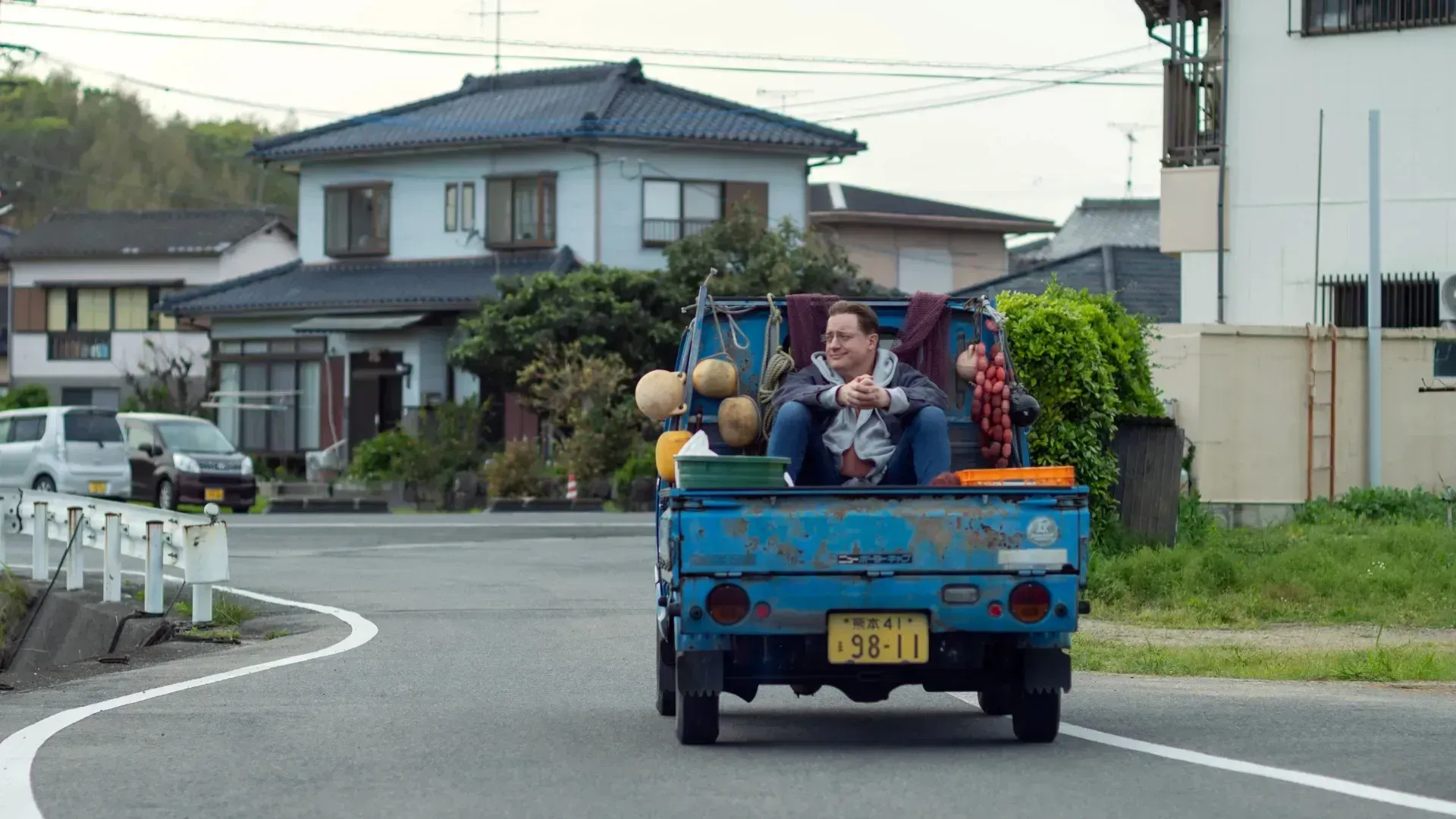
Rental Family is presented as a lovable, heartwarming comedy starring Brendan Fraser. Fraser plays Phillip, a struggling actor in Japan who takes on odd acting gigs, including being in toothpaste commercials and dressing up as a tree. He’s the token American, a hulking figure among the Japanese who takes up the roles that no one else seems to want. Yet despite it all, his earnestness to take on any job lands him a very peculiar one.
The rental family service, to outsiders, is a strange phenomena in Japan where hired actors provide stand-in services as family members or friends. The act is transactional - for the right fee, you can get a service: a performance for your social benefit. The roles they play might be false, but as Brendan Fraser shows through Philip, the emotions can be very real. Director Hikari shows that each interaction, while arranged in specific ways, is imbued with meaning and creates a memory for the people involved.
Philip’s position as a foreigner in Japan places him in demand. He’s the exotic
gaijin
who has lived in Japan for a number of years and can speak fluent Japanese. His gigs this time though, are those that go beyond his boundaries of comfort. Acting by nature is a profession of deceit, and one has to at times separate themselves from their character. Philip on the contrary, true to his affable self, finds the genuine connection with his clients as himself.
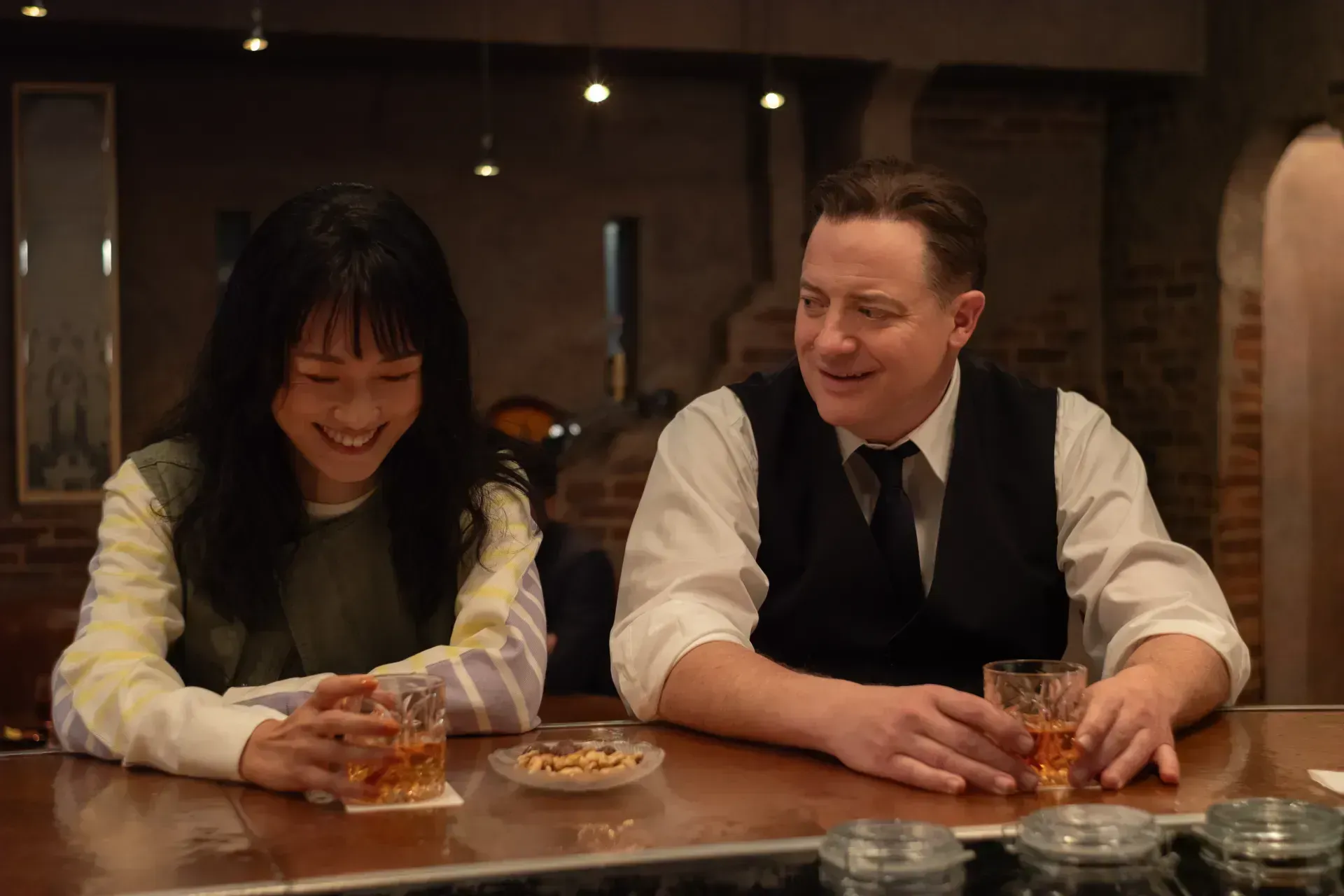
Though there are moments in which this reveals the effects of the loneliness epidemic, do not mistake this for a morose film. Rental Family is very much a heartwarming drama, that Fraser seems to have a lot of fun in. He seems comfortable in his element, speaking a mixture of both Japanese and English. This collision of cultures finds Fraser dressed up in a kimono, and getting involved in antics that are hilarious to watch. There are in fact more moments where you’ll find yourself chuckling away at the dynamics between Fraser and his co-stars, namely Shannon Gorman, who he has to play a father to. Their relationship marks the point in which Philip becomes truly invested in his role, and one where the professional line can easily be crossed. When he truly feels the joy in each interaction, it deals a blow to be told he cannot get emotionally attached.

In many unspoken ways, Rental Family also reveals so much about the intricacies within Japanese culture. The hidden formalities, cultural idiosyncrasies, and gender biases are like a puzzle to unravel if one isn't too familiar with their social conventions. There is a realisation that hits you when you see why these services are provided, and the value that they bring. The lines between what is real and what is a performance blurs, but what remains true are the underlying social stigmas.
Rental Family is now showing at Filmhouse.
---------------------
About the author: Ivan Chin is a film critic who hopes to spotlight not only East Asian films, but homegrown films and directors to a larger audience. He has a penchant for films from Hong Kong and Taiwan, but is constantly seeking to expand his film repertoire. He believes that film as an art form is essential to the human condition.