Film Review #191: Kaantha

Chinmaya • February 13, 2026

Film Review #191:  Kaantha

Kaantha begins with a jolt: a cold murder staged with such icy precision that it feels like a prelude to a full-blown crime thriller. Then, almost mischievously, the film abandons that momentum.


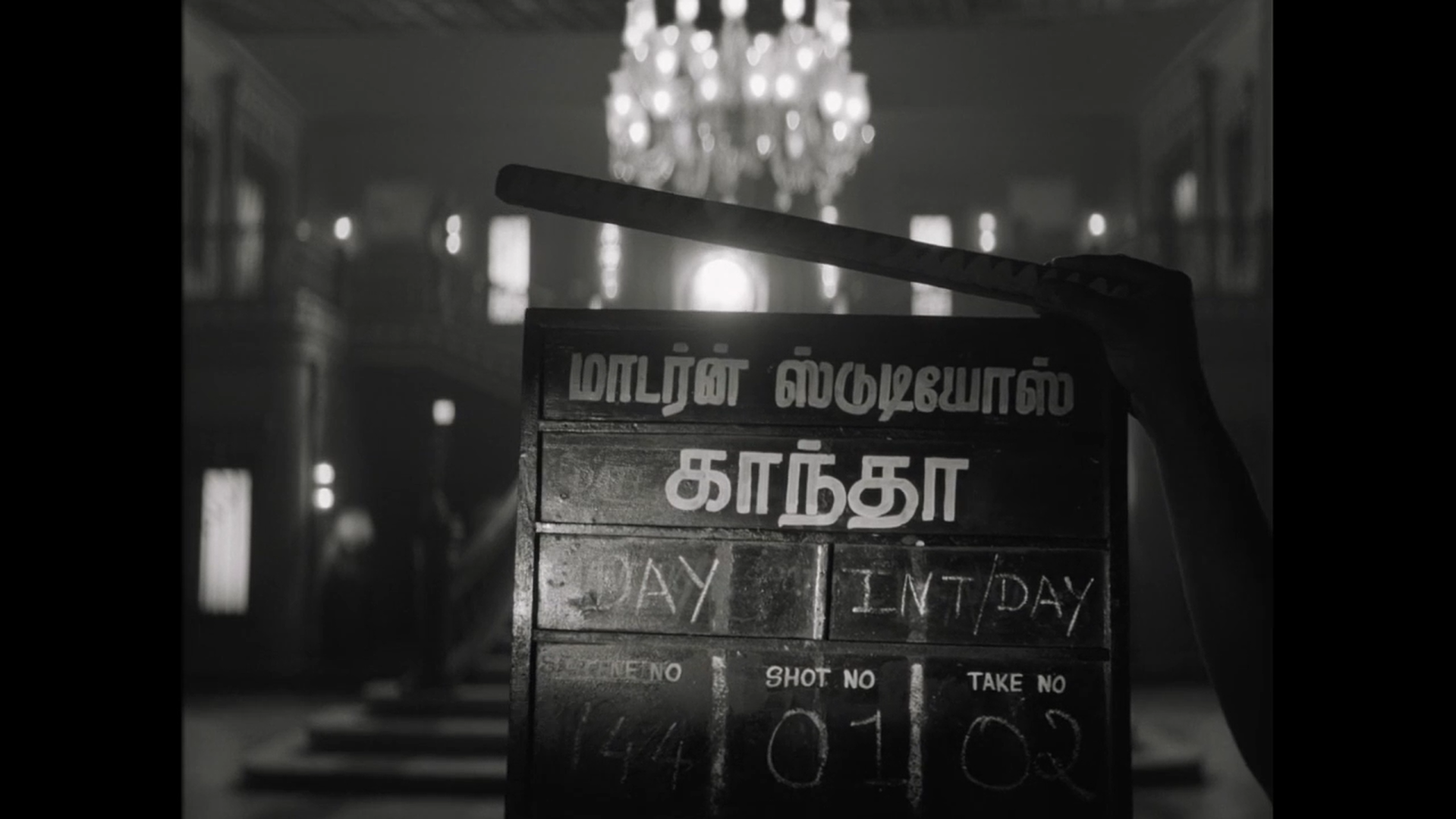
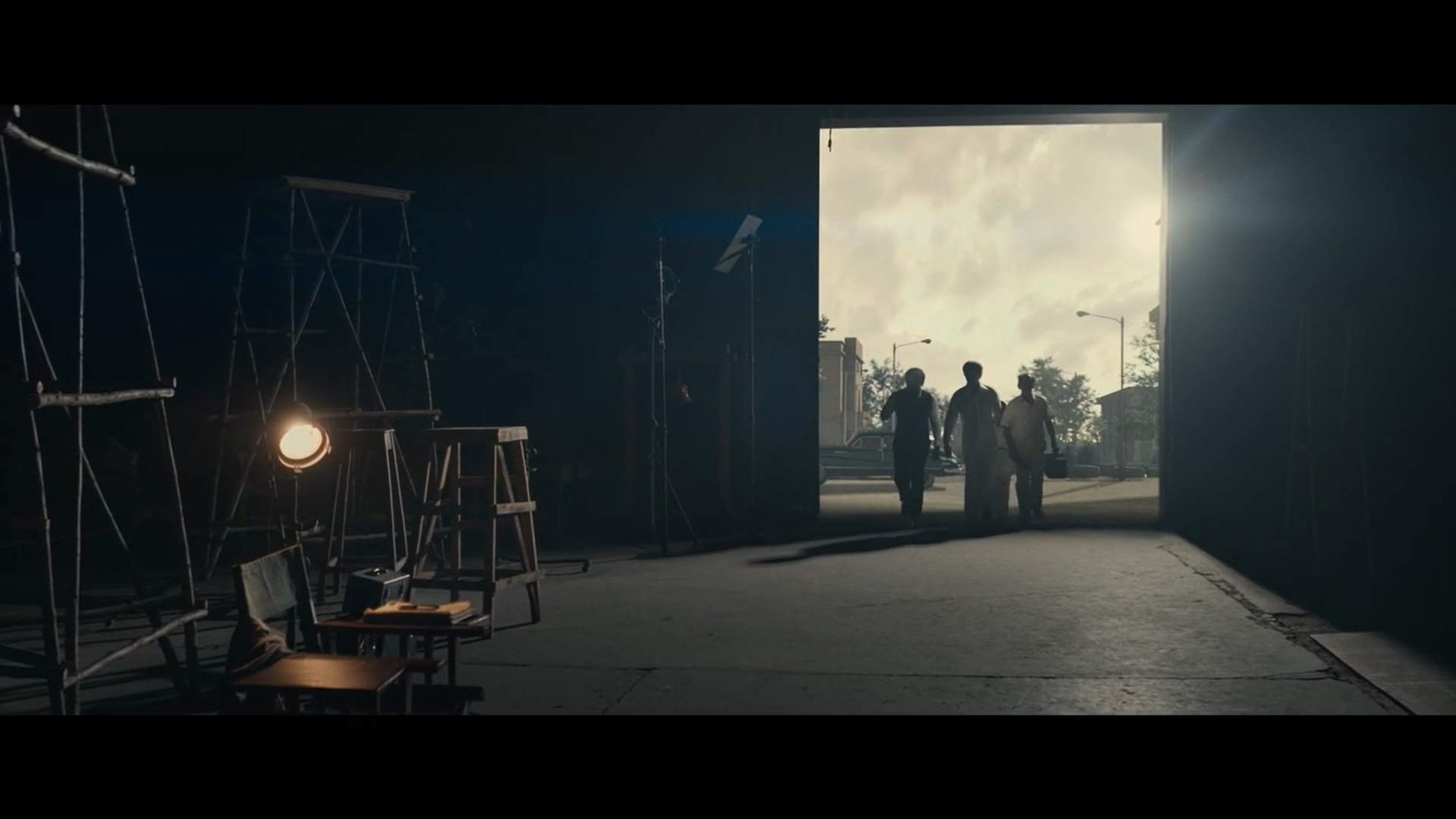
For the next hour, we are pulled into a dense web of clashing egos and bruised loyalties. Set in 1950s Madras, much of Kaantha unfolds within the confines of a film set. The story centres on the reunion of two men bound by a fractured past: TK Mahadevan (Dulquer Salmaan), now a rising star intoxicated by fame, and Ayya (Samuthirakani), a director whose authority once went unquestioned. Years earlier, the two had parted ways after creative differences derailed a project they began together. Now, circumstance forces them back into the same space, attempting to revive what was left unfinished. TKM returns as a star with power to assert. Ayya, outwardly restrained, finds his authority slipping.


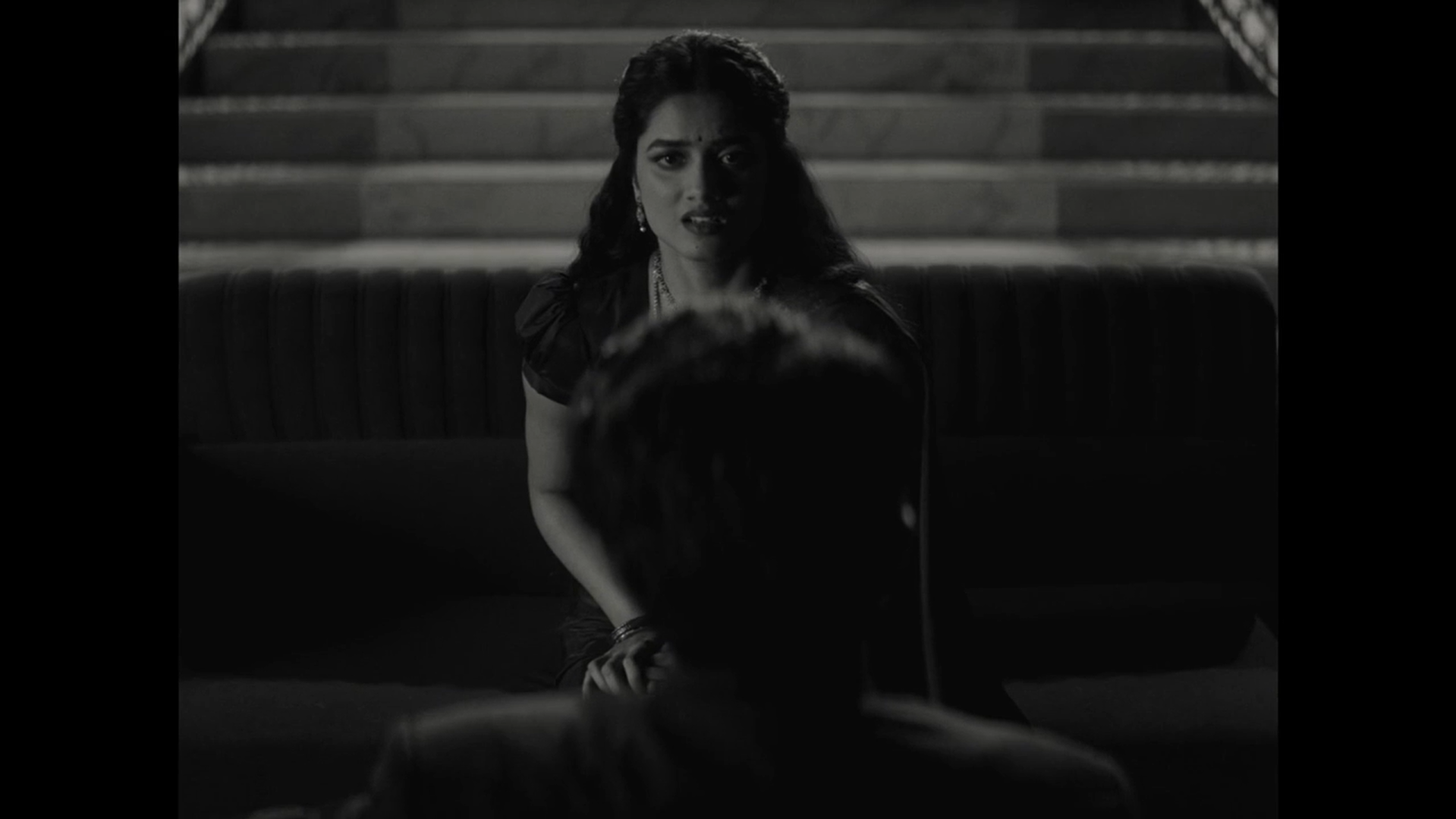
Introduced into the mix is Kumari (Bhagyashri Bose), who finds herself wedged between the two and, by circumstance, is forced to take a side. Through her eyes, the long and complicated history between TKM and Ayya comes into focus; a bond defined by loyalty, rivalry and old wounds. This dynamic becomes the engine of the film’s first half, with the two men circling each other with admiration, resentment and unspoken threat. It's an audacious structural swerve that trusts the audience far more than most mainstream Tamil films dare to. At its core, the film is about the cost of ego becoming identity. This tension is most clearly expressed through its visual design.


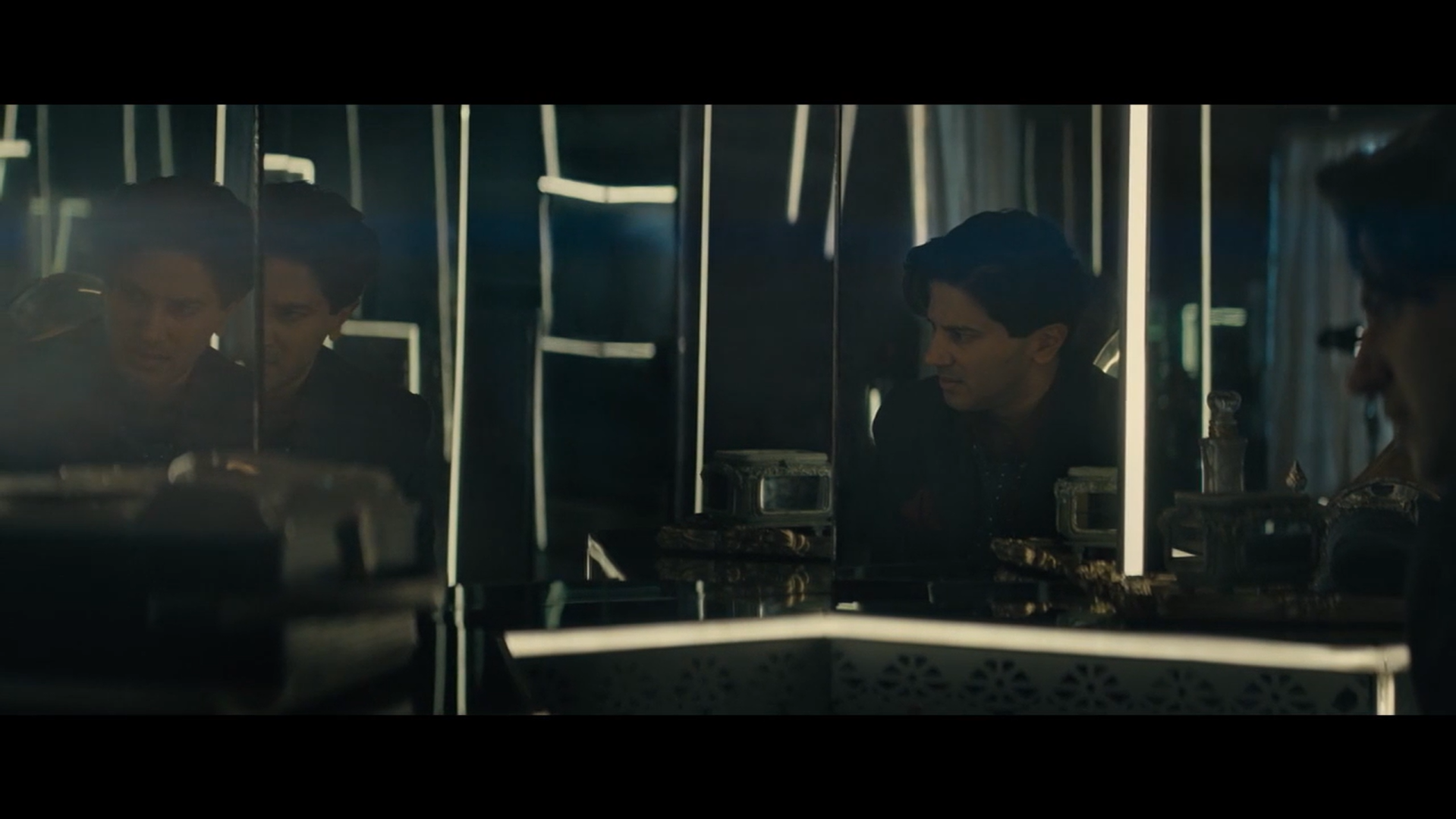
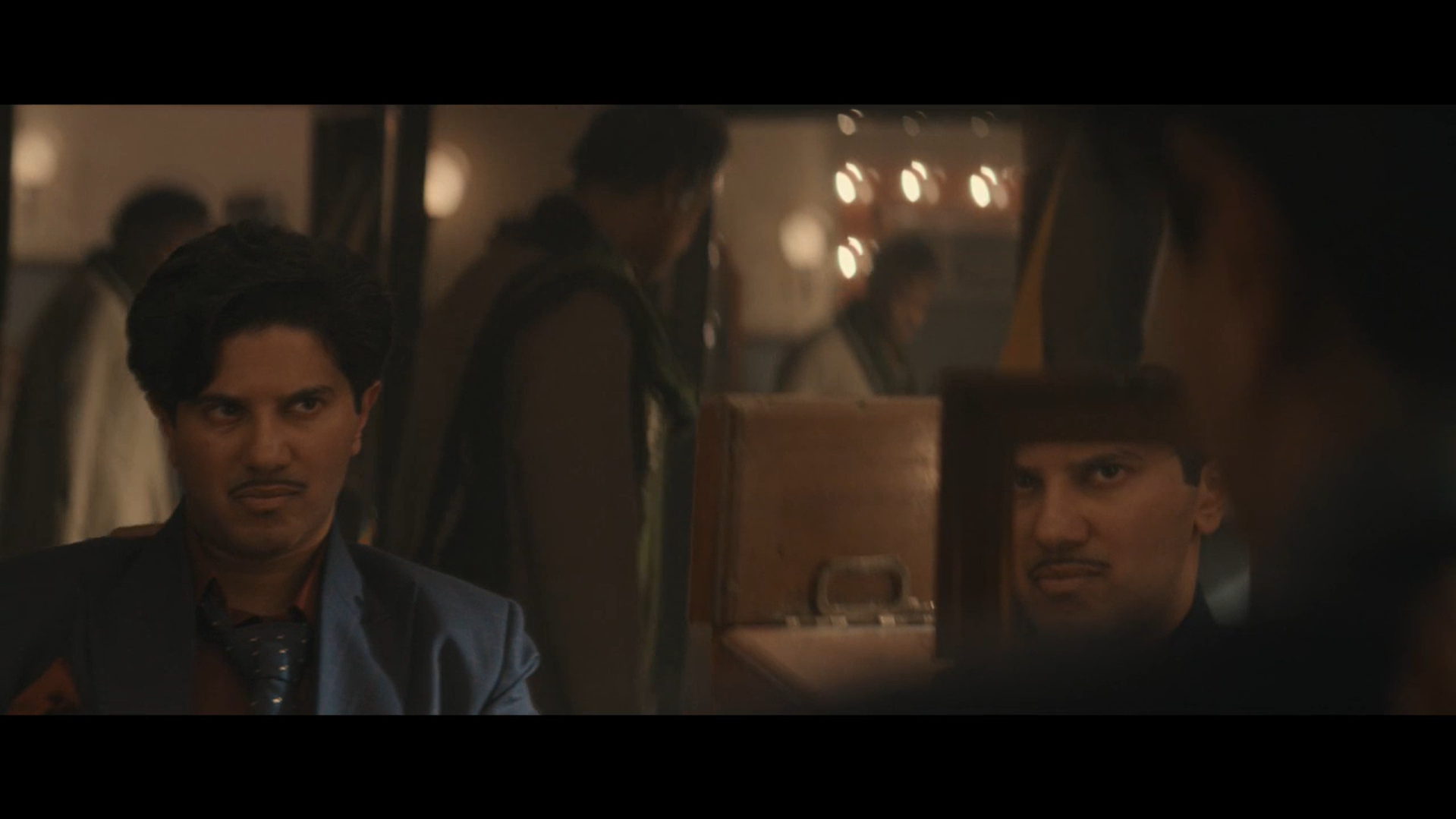
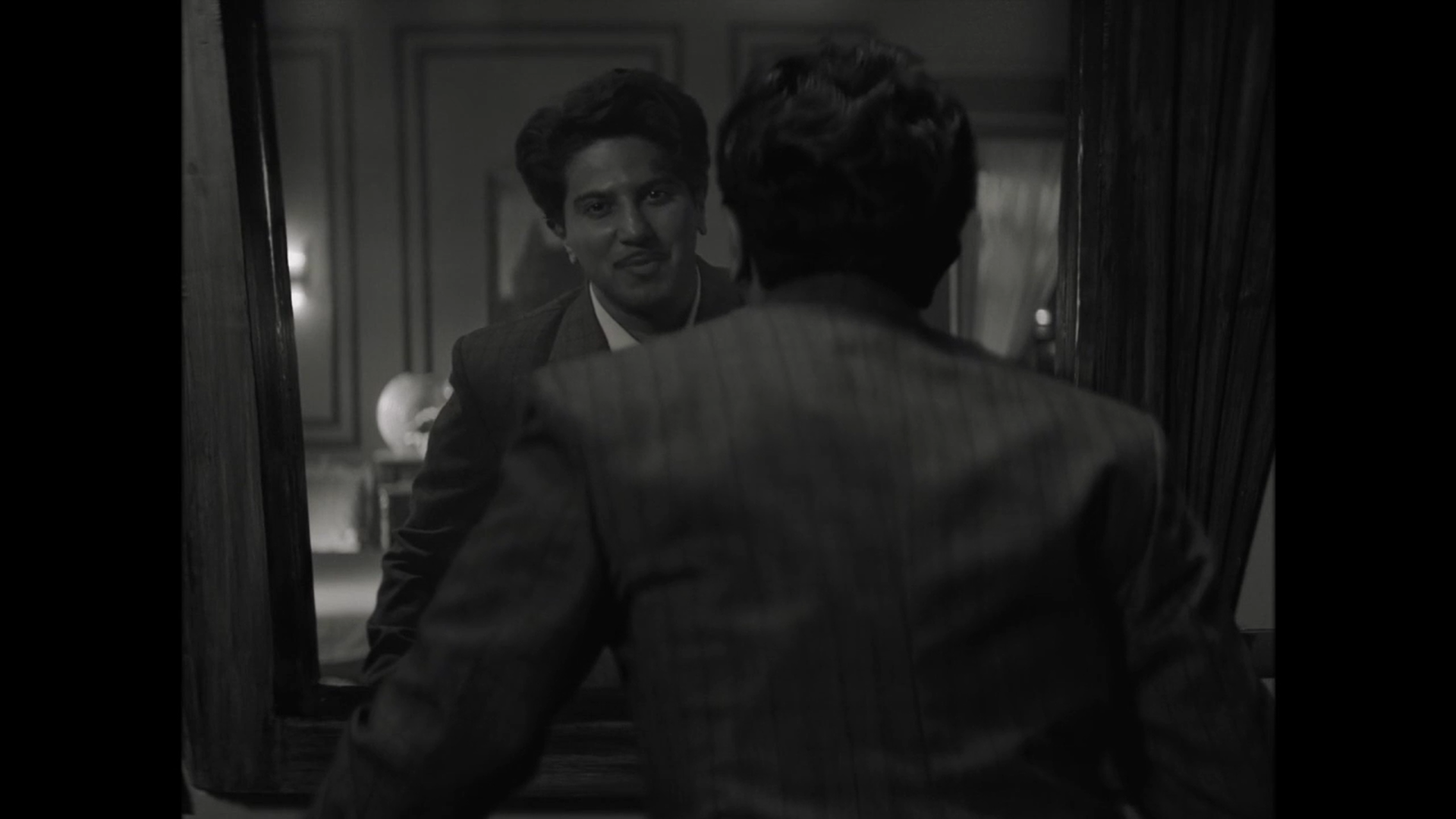
Visually, the film is a knockout. The cinematography leans into contrast-heavy lighting and thick, atmospheric volumetrics. Flashbacks are rendered in textured monochrome with aspect ratios that quietly tighten, mimicking mid-century Indian cinema and blurring the line between nostalgia and confession. The mirror work in this film is particularly striking. Every reflection of all our lead characters feels like a different version of themselves - each one slightly warped, slightly performative, slightly afraid.

The writing is no less sharp. The dialogue is precise, and the characters aren’t pushed around by plot mechanics so much as by their own worldviews and insecurities. Their decisions feel messy, human, and constantly complicate the dynamics in ways that drive the story forward. Here, the film’s bold mid-section comes into focus: instead of deepening the murder mystery, Kaantha throws us into a tense character drama, a genre shift that demands patience from the viewer. Drama, by nature, is less sensational than a whodunnit, but the film manages to keep the tension simmering through ego clashes that feel inevitable. That slow build pays off when the narrative finally loops back to the murder we witnessed at the start as a tragic endpoint.

If there’s one element that feels slightly out of tune at times, it’s the score. The heavy modern percussion and bass lines sometimes clash with the film’s period setting and visual sophistication. A more textured, era-conscious soundscape might have grounded certain scenes more organically. That said, this isn’t a dismissal of the music itself. There are sincere attempts to infuse authenticity into the songs and the tracks are, on their own terms, competently crafted and likely to resonate with most modern audiences.  This tendency to overreach isn’t limited to the music. For instance, the film occasionally drifts into an indulgent mode, lingering longer than needed, luxuriating in its own atmosphere. This is most evident in the second half, when Kaantha shifts into a whodunnit with the introduction of Inspector Devaraj (Rana Daggubatti), who turns the film set into a makeshift

police station. While Rana does what he can with the role and the mystery is compelling, it isn’t complex enough to sustain its length. However, given the choice between a film that plays it safe, succumbs to commercial mediocrity, and one that is bold and ambitious in its cinematic vision, I’ll take the latter any day.


Kaantha is far from perfect, but it is very much cinematically and emotionally alive. It trusts the audience to sit with ambiguity, and refuses to dilute its vision. Tamil cinema needs more films that swing this hard, even if they don’t always land cleanly. In the end, Kaantha leaves you with a stark reminder: ego is costly, power is corrosive and some truths are not black and white; they only sharpen when brought into the light.

---------------------


About the author: Chinmaya’s personality runs on cinema, from bingeing films to dissecting every frame. Posting reviews on Letterboxd and Instagram as TheFilmBoi, he’s happiest talking movies all day long. Engineer by trade, filmmaker by passion, he believes life’s better with a little Nolan mind-bend, and a story that keeps you guessing.


This review is published as part of *SCAPE’s Film Critics Lab: A Writing Mentorship Programme, with support from Singapore Film Society.

BLOG

By Lixin Foo February 14, 2026
#FilmFest Guide: TIFF 50
By Benjamin Choo February 13, 2026
“Why does she have so many pictures of herself?” – Piecing together Following (1998)
By Ivan Chin February 13, 2026
Film Review #192: RENTAL FAMILY
By Rachel Xia February 13, 2026
Night King: When the Neon Lights of Old Hong Kong Glow Again 《夜王》:当老港片里的霓虹灯,再次亮起
By Jing January 31, 2026
Film Review #189: Withered Blossoms
By Chinmaya January 28, 2026
Film Review #188: Bugonia
By Kaela Teh January 28, 2026
The Lost Youth and Digital Loneliness of All About Lily Chou-Chou
By Jing January 17, 2026
Seeing from a Distance: Modern Life through Edward Yang’s Lens in Yi Yi
By Rachel Xia January 17, 2026
Is the Person You Once Loved Still by Your Side? 那个曾经深爱的人还在你身边吗? A reflection on Once We Were Us 观《Once We Were Us》有感
By Han Yiheng January 16, 2026
Commentary: Agnès Varda’s Lessons in Humility
More Posts