Film Review #190: Night King
Night King: When the Neon Lights of Old Hong Kong Glow Again
《夜王》:当老港片里的霓虹灯,再次亮起
I have actually never been to a nightclub.
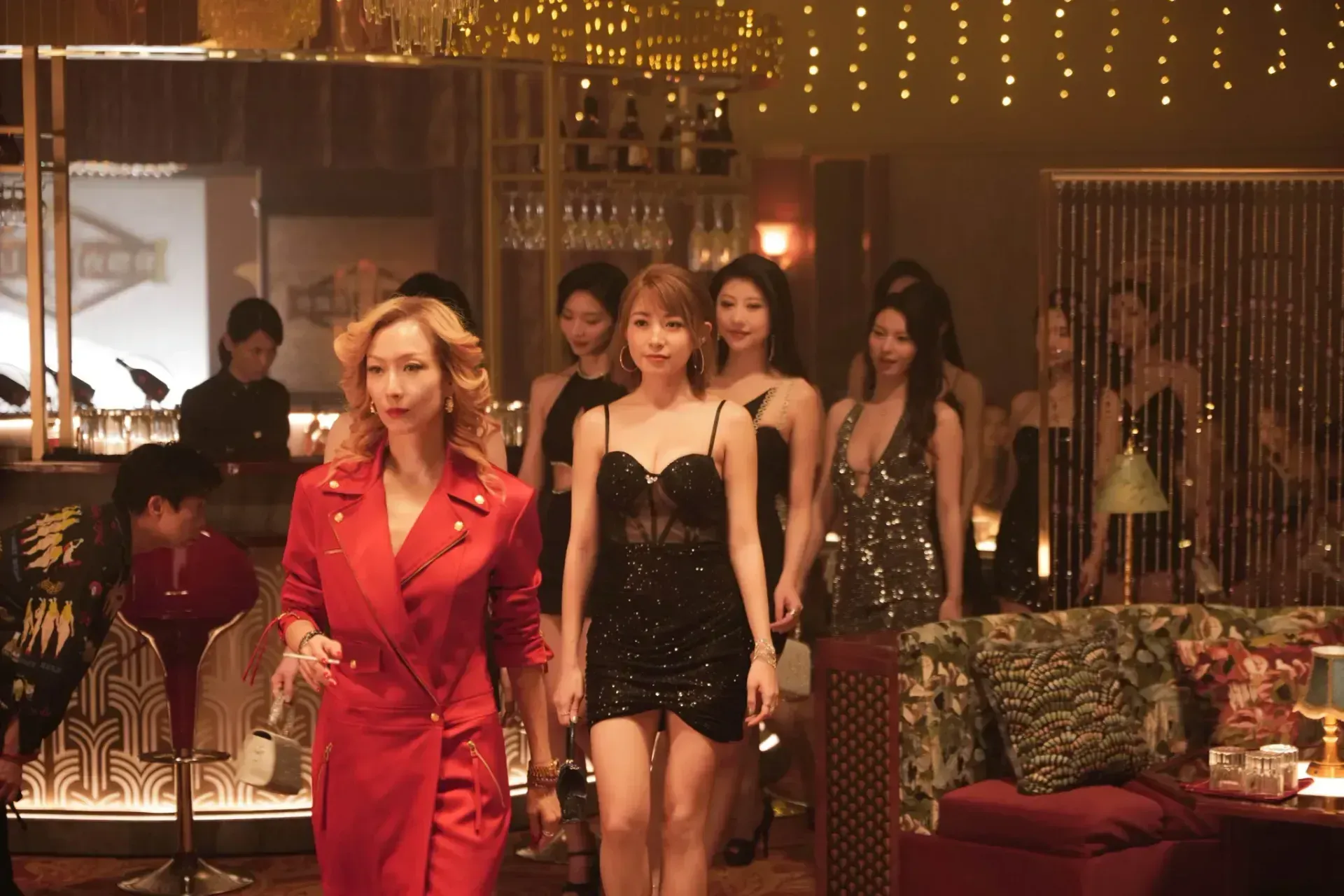
Everything I imagined about that glittering world came from the old Hong Kong films I watched as a child — neon lights flickering in smoky rooms, women in sequined dresses, a gang boss surrounded by admirers, glasses clinking, laughter rising, pleasure and excess everywhere. It felt like a snapshot of an entire era.
So when Night King brings that space back to the big screen, what I felt was no longer legend or glamour, but something quieter — the sadness of a time that has already passed.
The neon lights are still there. But the era has moved on.
Director Jack Ng gained major attention after A Guilty Conscience broke box office records. Returning for the Lunar New Year season, he shifts from courtroom intensity to something lighter and more rooted in Hong Kong culture.
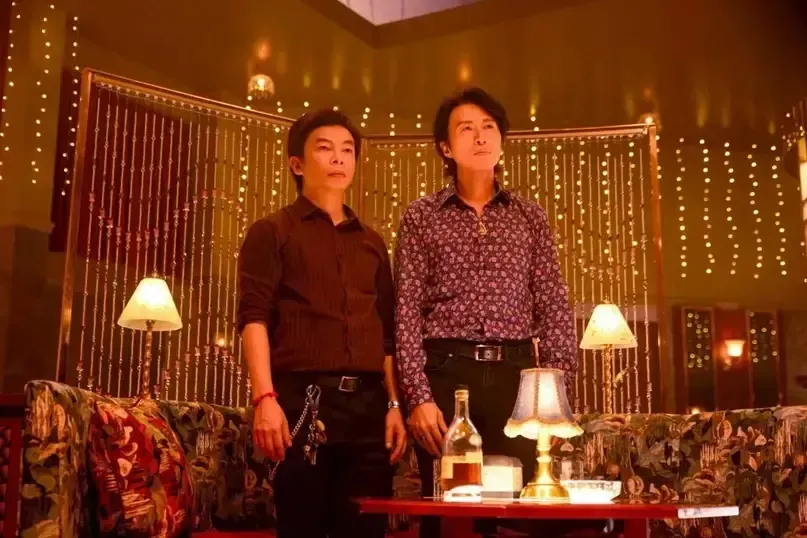
If you’ve seen Dayo Wong in The Last Dance, with his restrained and somber performance, or in A Guilty Conscience with his razor-sharp wit, then you’ll notice a completely different side of him in Night King. He is still funny. But here, the humor feels more like protection. From the very beginning, his character is clearly defined — he is nostalgic. The older something is, the more he treasures it. That single line helps us understand “Huan Ge”(欢哥). He is not a playboy. He is not someone playing emotional games. He stays clear-headed in a world filled with neon lights and alcohol, yet there is always a hint of quiet weariness beneath that calm.
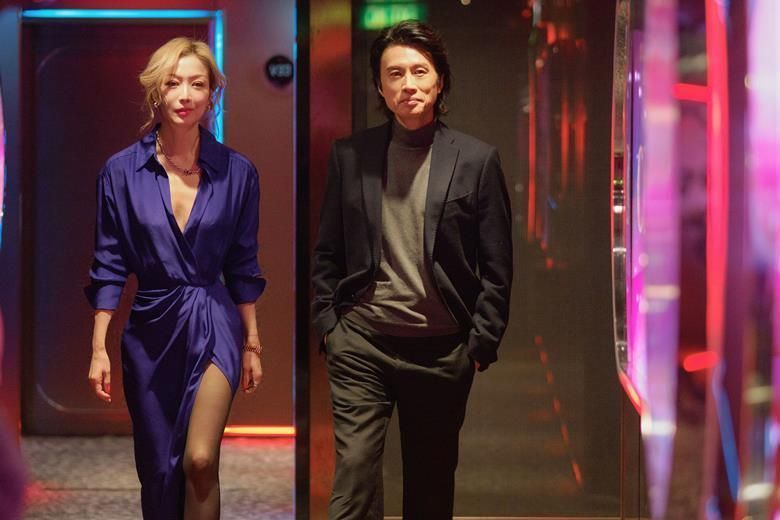
In Q&A, Ng said that the moment he saw Sammi Cheng, he knew she was “V Jie”(V姐), simply because of her presence. But Sammi does not turn the role into a stereotypical “club queen”. She brings warmth to the character. There is strength in her gaze, but also empathy. You can sense both vulnerability and authority in her performance — the sensitivity of someone who feels deeply, and the steadiness of someone who knows how to survive in a complicated world.
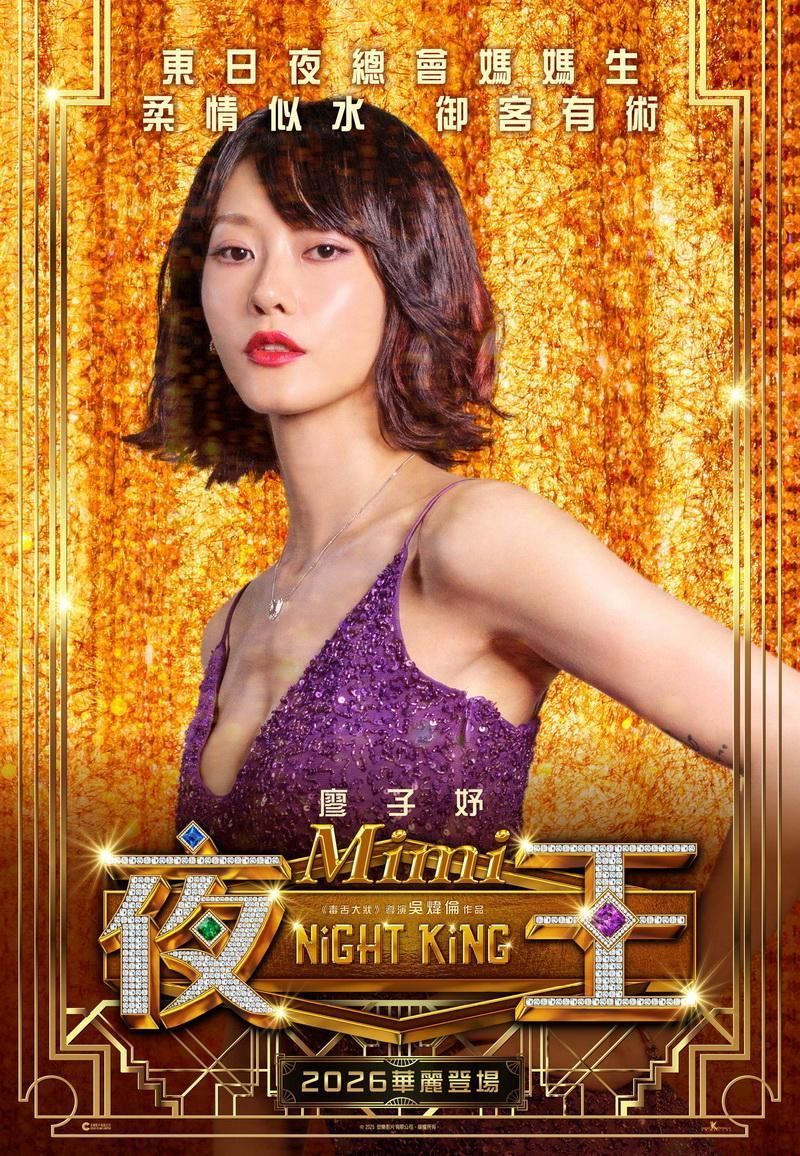
I also want to highlight Fish Liew. The first time I knew her was in Someone Like Me, where she played “Mui”(阿妹) — a woman born with cerebral palsy who insists on living independently and claiming control over her own intimacy and desire. The role was subtle, yet powerful. In Night King, her Mimi is very different. During research, the director met a former madam who stood out from the other hostesses — gentle, thoughtful, and very good at reading people. She always seemed to know what others truly needed. That kind of ability requires emotional intelligence, but also restraint. Mimi is shaped from that inspiration. And the affection Huan Ge holds for Mimi feels layered — mixed with gratitude, companionship, and perhaps even a quiet sense of guilt after sharing lonely years together. It is not dramatic. It is understated. And that is why it feels real.
From the poster alone, audiences might assume this is another flashy story about nightlife and indulgence. But after watching it, I see something else — a reflection on how people hold on to their dignity in complicated environments.
The nightclub is only the setting. What truly moves the film are the glances, the pauses, the careful choices in words, and the space between people. The pacing is not fast, but it never drags.
Night King feels like a late-night conversation — richly humorous, touched by smoke and alcohol, lit by fading neon. For a Chinese New Year release, it is surprisingly thoughtful, and definitely worth seeing in the cinema.

In the end, I cannot help but think about this: There are eras we never lived through, moments we never saw with our own eyes. Yet through film, we can still come close to them. Because cinema exists, time can be remembered. Emotions can move across generations. As long as the images remain, the years we never experienced will still find a way to belong to us.
我其实从来没有去过夜总会。
关于那个花花世界的全部想象,都来自小时候的老港片——霓虹灯下的暧昧光影,空气里弥漫的香烟雾气,穿着亮片裙的小姐,永远被众人围坐的大哥。觥筹交错,寻欢作乐,纸醉金迷,仿佛那是一整个时代的缩影。
而当《夜王》把这个空间重新带回大银幕时,我感受到的,却不再是传奇与浮华,而是一种时代退场后的落寞。
霓虹未灭,只是时代已经远去。
导演吴炜伦凭《毒舌大状》票房破亿而备受关注,这次回归贺岁档,用更轻松、更具香港的味道,进行了表达。
如果你看过黄子华在《破地狱》里的冷冽与压抑,看过他在《毒舌大状》里的锋芒毕露,那么《夜王》里的他,是完全不同的质地。他依旧有幽默,但那种幽默更像保护色。影片一开场,人设就非常清晰——他念旧。越旧,就越怀念。这句话几乎是理解“欢哥”这个人物的钥匙。他不是欢场浪子,更不是情感游戏的操盘者。他在灯红酒绿中保持清醒,却也在清醒中带着无奈。
导演吴炜伦在采访中说,选角时一看到郑秀文,就认定她是V姐。原因很简单——气场。她给了人物温度。她的眼神里既有控制力,也有理解力;既有女性的敏感与脆弱,也有身处江湖的坚定与果敢。
还想特别说廖子妤。第一次认识她,是在《像我这样的爱情》(Someone Like Me)里,她饰演“阿妹”,一位天生脑性麻痹、却坚持独立生活,渴望对自己的亲密与欲望拥有自主权的女性。而在《夜王》,她饰演的Mimi,是完全不同的气质。导演在做调研时,曾认识一位妈妈桑,不同于其他小姐,她温柔,细腻,极会读人脸色,知道人真正需要什么。那种能力,是情商,也是分寸。Mimi就是从这样的原型里生长出来的角色。电影中,欢哥对Mimi 的感情,让我觉得掺杂着一种陪伴孤独岁月之后的亏欠,真实而沉默。

观众可以在电影海报中看到影片有很多的“小姐”形象,在同一个空间里,产生了微妙而立体的张力。
很多观众未看片前,或许会从片名去推断,以为这是一个关于夜总会寻欢作乐的老套故事。但看完电影后的我,更愿意把它看作是一种关于人如何在复杂环境里保有尊严的观察。
夜总会只是场景,真正动人的,是人物之间的分寸、眼神、试探与退让。影片的节奏并不急促,但很紧凑。
《夜王》,像是一场始终带着幽默感的夜谈,裹挟着烟味、酒气与灯光余晖。在新年贺岁期间,值得进影院一看。
最后,还是想要感慨,那些我们未曾经历、未曾亲眼见证的时代,如今仍能通过影像去理解。因为有电影,让时间有了传承,让世代之间的情感得以延续。但只要影像还在,那些未曾经历的岁月,也终将与我们有关。
---------------------
About the author: Rachel Xia is a film director from China who’s been in love with art since childhood. Turning that passion into a career? Pure joy. But where she really has fun is with sharing films and the emotions they bring. She respects every creator’s voice—it's the mix of different perspectives that makes life colorful.
Night King will be screened in its original Cantonese dialogue at Golden Village Vivocity during the SFS Special Presentation: Dayo Wong Film Festival from 21 February to 1 March. SFS Members can enjoy $2 off tickets.