Film Review #181: Sentimental Value

Jing • December 16, 2025

The Music of Memory: Form, Intimacy, and Musicality in Joachim Trier’s Sentimental Value

Can a broken structure still be a home? 


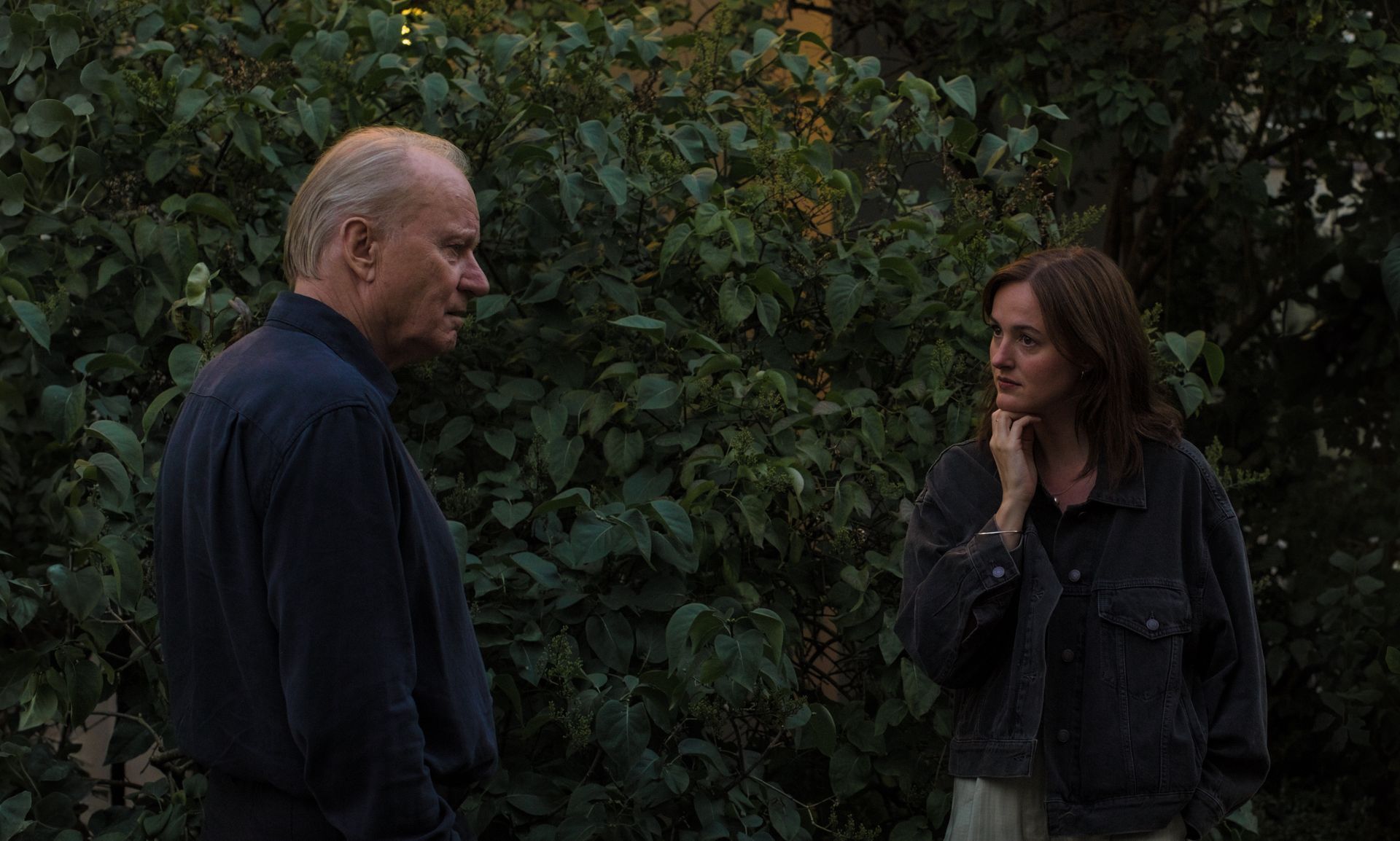
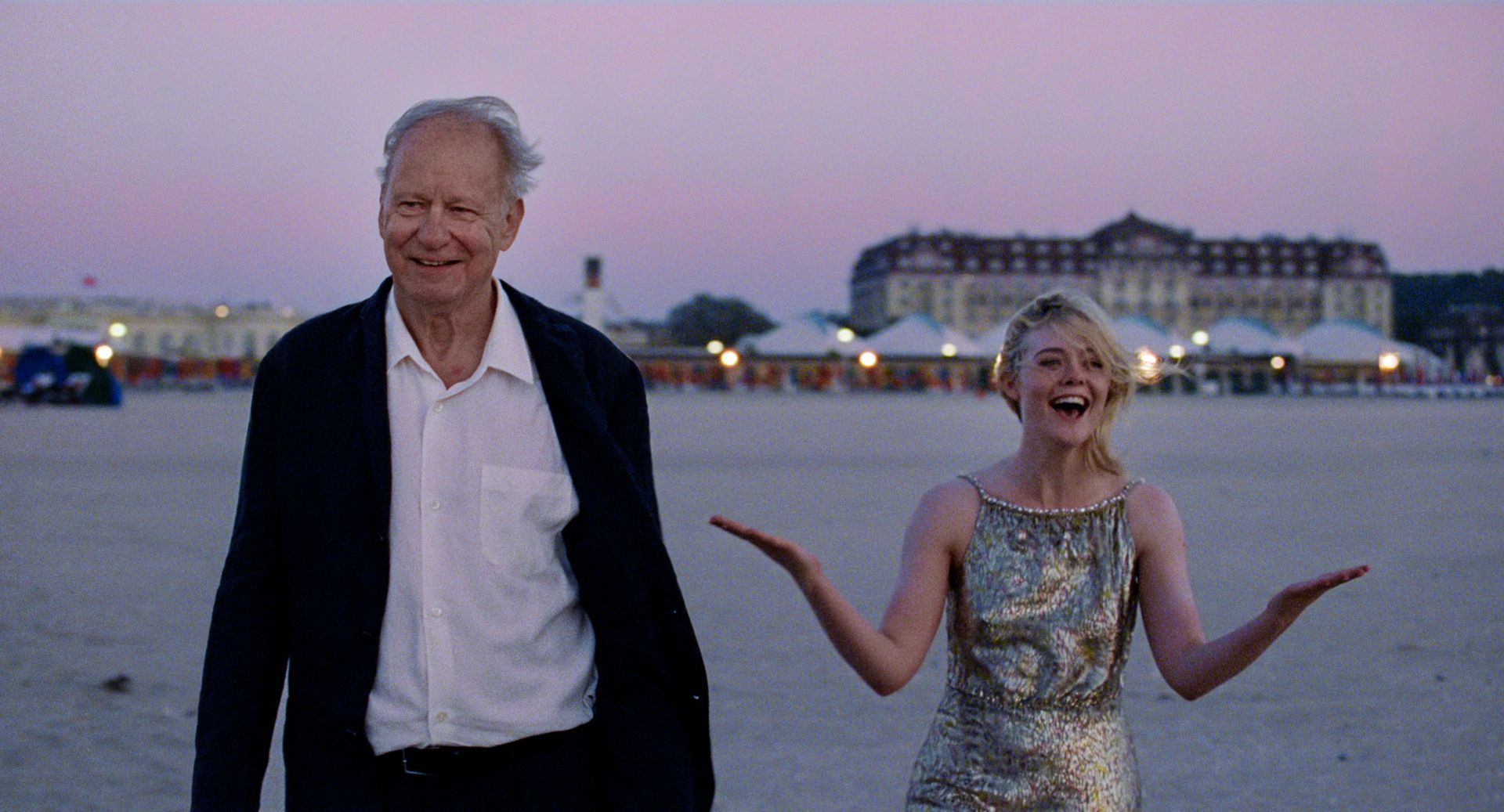
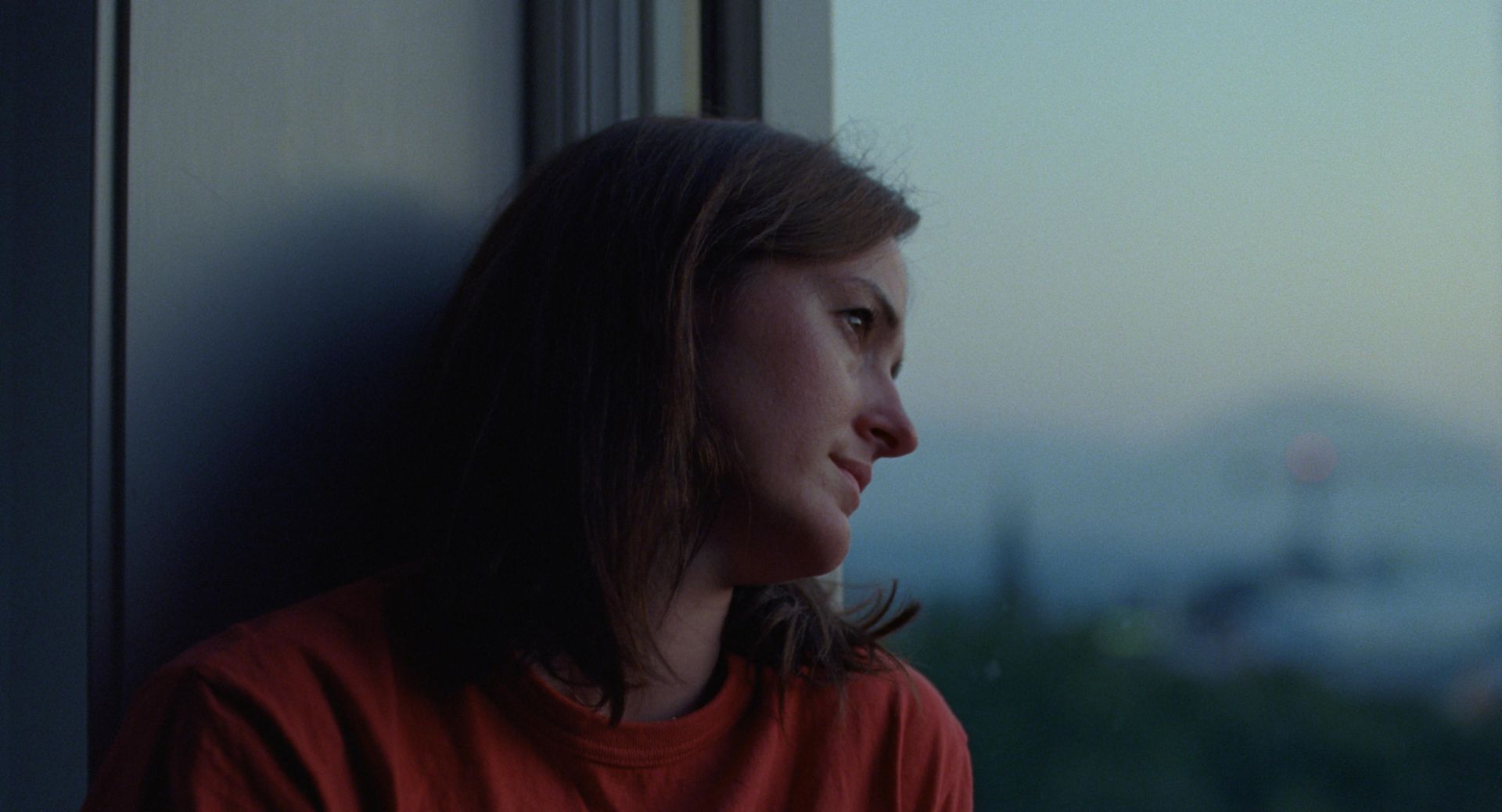
As with Joachim Trier’s previous works, Sentimental Value is, at its core, a profound and at times comedic exploration of the human condition, a story nestled deeply within the walls of the Borg family home. Absent father and renowned filmmaker Gustav Borg (Stellan Skarsgård) returns to the lives of his daughters, Nora (Renate Reinsve) and Agnes (Inga Ibsdotter Lilleaas), after the death of their mother. Despite the lack of any genuine relationship with her, Gustav reveals to Nora that he has a script written for her, in which he wants her to play the leading role. Nora rejects this offer, and her part is passed on to young Hollywood star Rachel Kemp (Elle Fanning). Unexpectedly, this paves the way for the two sisters to confront their fractured relationship with their father, with Kemp unintentionally swept up in the turmoil of this dysfunctional family.


Trier renders the family’s emotional intricacies with an intimate and tender honesty, expounding on themes of love, grief, history, generational trauma, and the healing power of art. In tracing these emotional textures, he opens a pathway to the film’s deeper musicality, which guides not only the viewer’s experience, but also the creative harmony behind the camera. 

A polyphonic experience


In the writing room with fellow director and screenwriter Eskil Vogt, with whom Sentimental Value marks their sixth theatrical collaboration, Trier tends to approach scenes as if the film were an album. This approach is perhaps most apparent in their previous feature, The Worst Person in the World, which is divided explicitly into 14 parts: a prologue, 12 chapters, and an epilogue. Each scene functions like an individual song, focusing on specific moments and relationships in protagonist Julie’s life (also played by Renate Reinsve), together painting a complete picture of Julie’s journey through love, adulthood, and self-discovery.


While Trier departs from this formal structure in Sentimental Value, he turns to the use of segmented blackouts as a key element of the film’s narrative style. Through this technique, scenes upon scenes accumulate to reveal the histories of the house and its occupants. This musicality in the film’s movement between characters and time creates what Trier himself describes as a polyphonic experience, one in which fragmentation paradoxically guides the viewer towards a deeper sense of continuity and intimacy than a more narrowly subjective, single-character perspective would offer.


At the same time, Trier has characterised this film as his attempt to go acoustic, stripping down the cinematic apparatus such that the camera dissolves into the scene, thereby creating a sense of direct, unmediated intimacy with the actors. The film’s elliptical and fragmented first half, with a series of abrupt cut-to-blacks, therefore serves as a deliberate counterpoint, momentarily shifting into a more objective mode through Gustav’s movie footage and essayistic detours on the house’s memories (listen to Joachim Trier reflect more on this here). In doing so, a productive contrast between the distance of memory and the closeness of the present is preserved, allowing the film to approach its characters with an unfiltered closeness while still retaining the larger polyphonic perspective that gives their shared histories and inherited traumas its resonance.

Building on this, the film’s musicality in its form also extends into its soundtrack. Trier and Vogt use music to introduce tonal shifts, from Terry Callier’s tender, breathy soulfulness to the bright, gliding pulse of the ‘80s synthpop of Roxy Music and New Order, adding layers and textures to the film’s musical and emotional landscape. As editor Olivier Bugge Coutté notes on the making of Sentimental Value, a record collection almost resembles “rings in a tree trunk”, and here the soundtrack reveals the eras that have shaped the lives of those passing through the house. This further builds on the film’s rhythm, guiding the viewer through its temporal jumps and emotional modulations, overall contributing to the rich narrative flow that links its fragmented parts.

Musicality in the craft


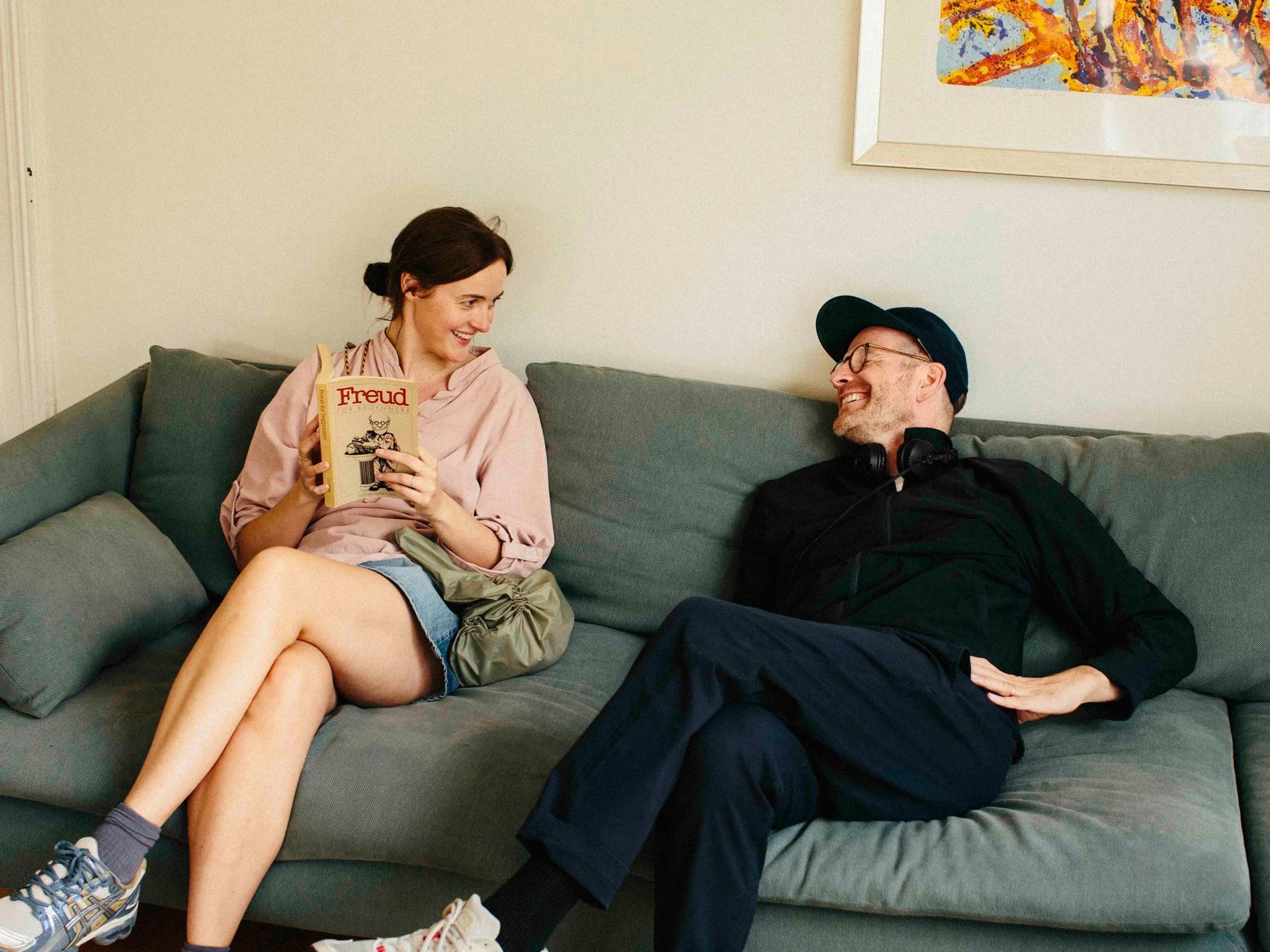
This musicality seeps into the way Trier works behind the camera. Beyond the almost musical-like rehearsals he conducts with his actors, designed to work through the script, shape new moments, and help the actors inhabit their characters before filming begins, Trier relies on what actor and long-time collaborator Anders Danielsen Lie has coined “jazz takes”. Borrowing from the freedom and responsiveness of jazz, these looser, improvisational versions of a scene allow the actors to see where things go, following whatever feels most authentic or emotionally true in the moment.


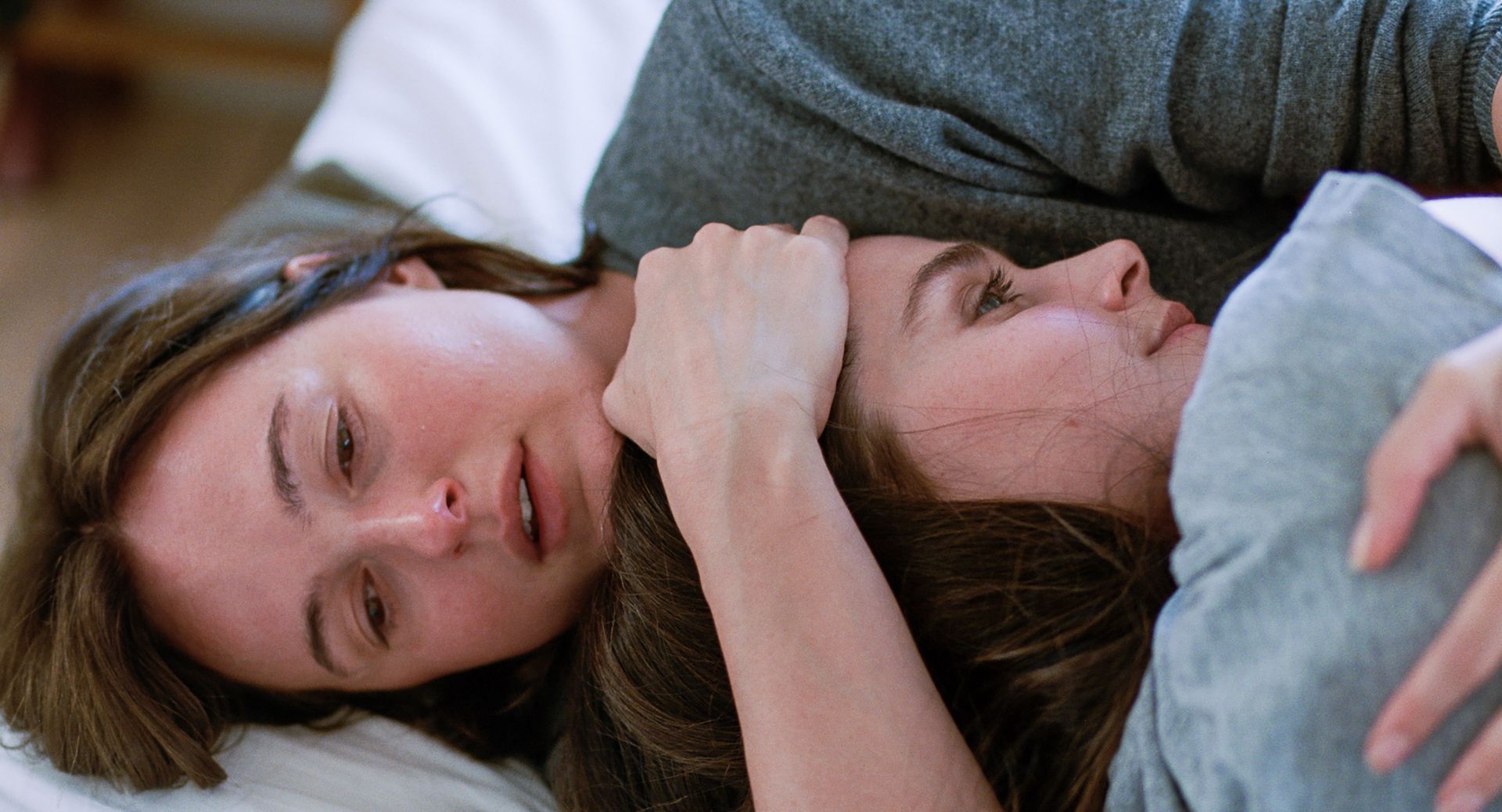
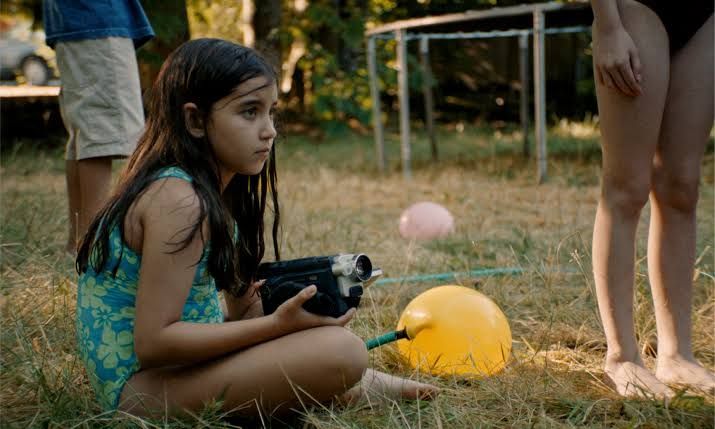
In Sentimental Value, this unfolds in a crucial scene between the two sisters. After Agnes finally convinces Nora to read the screenplay written by Gustav, the pair have an intimate conversation by the bed. The sequence drifts into an unscripted ending in which Agnes climbs onto the bed, hugs Nora, and tells her she loves her, a line which Nora returns with some difficulty. These takes enable the actors to continually search within themselves for a deeper emotional honesty, a sincerity that carries through their performances and gives Trier’s work its distinct, lived-in, and heartfelt warmth.

Cannock Chase and beyond


The musicality running throughout Sentimental Value, represented in its masterful weaving of different times, memories, and emotional registers, forms the core of its narrative power. These fragments, layered with care, provide viewers with a nuanced understanding of the family’s past and the lines of inherited emotions and trauma that bind Gustav, Nora, and Agnes together in the present. Trier’s direction is both beautiful and precise: the camera lingers where it needs to, the performances by the cast are stellar, and the film closes with “Cannock Chase”, another well-chosen final song that perfectly captures the essence of the film, much like “Waters of March” in The Worst Person in the World


The film leaves us not with a tidy resolution, but a gesture towards the possibility of love and reconciliation through filmmaking, no less, which is perhaps the only way Gustav is capable of communicating with his children. The complexity of trauma and forgiveness, and of breaking cycles of hurt and neglect, are rendered with a rawness and tenderness ever-present in characters that are flawed, but above all, human. The house, a witness to the family’s fractures and a keeper of their memories, may be built poorly, its cracks widening over time. But a broken structure can still be a home, and in the cracks, undoubtedly, there is love, fragile and imperfect, and there is light.


Anticipate Pictures will bring “Sentimental Value” to local theatres from Thursday, January 1. 


---------------------


About the author: Jing’s morning ritual includes refreshing Letterboxd and catching up with the latest reviews. With an intense and ever-growing passion for film, Jing believes deeply in the beauty and importance of the movie-going experience and hopes to spread the joy of cinema to a wider audience. When not watching films, Jing enjoys reading and watching football (visca el Barça!). Jing is always excited to meet and connect with fellow film lovers, and can be found on Instagram at: @_j.img_


This review is published as part of *SCAPE’s Film Critics Lab: A Writing Mentorship Programme, with support from Singapore Film Society.


BLOG

By Jarrett Yang December 16, 2025
SGIFF Film Review - Amoeba (2025) 
By Ivan Chin December 16, 2025
Film Review #179: RESURRECTION
By Deepagcharan Chandran October 6, 2025
JAPANESE FILM FESTIVAL 2025 Intentional and Instinctual: An Interview with Director Kazuhiro Soda
By Pan Wenbo August 12, 2025
香港邪典电影《红鬼仔》《蜈蚣咒》影评 Black Magic Horror Double Bill (Chinese Review)
By Amadeus Yeo August 12, 2025
SFS Restored Double Bill: HK Black Magic
By Jarrett Yang July 8, 2025
Commentary: A Decade with Anthony Chen 
By Chloe Loo June 9, 2025
Love is… Resilient: An Interview with Agnes Goh, Writer of Living & Remembering
By Mark Tan June 2, 2025
Film Review #175: THE WILD ROBOT The Triumph of the Last DreamWorks Animated Film (The Extended Review)
By Chloe Loo May 20, 2025
Film Review #174: THE UGLY STEPSISTER PRETTY HURTS
By Chloe Loo May 1, 2025
Film Review #173: Papa (爸爸)
More Posts