SYFF: Mountain Mountain

Kyle Pillai • June 29, 2026

Share this article

SYFF: Mountain Mountain


山上有人吗 (Is there anyone on the mountain)?


The voice cries out into the distance, reverberating between the landscapes, desperate to be heard. 


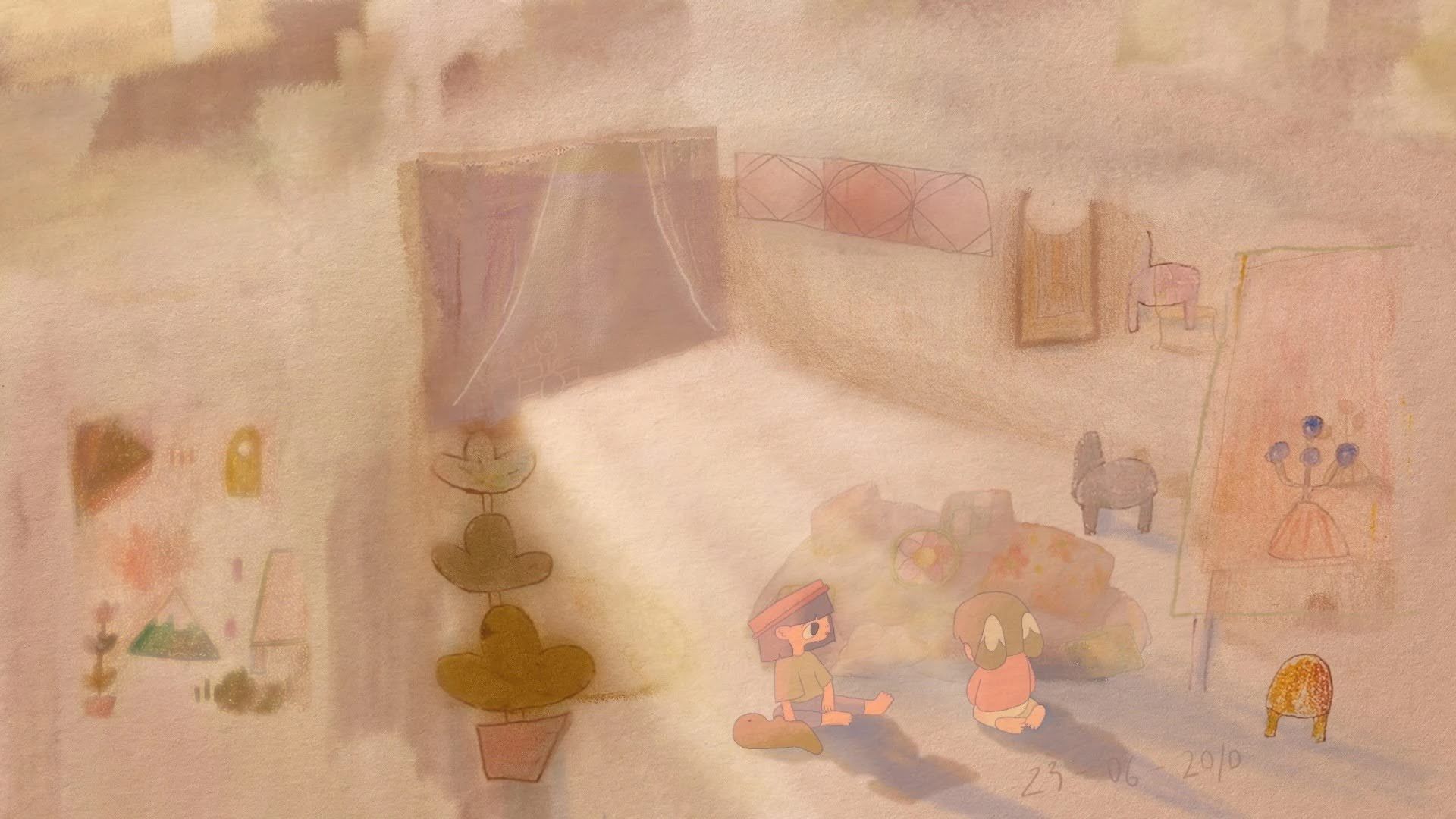
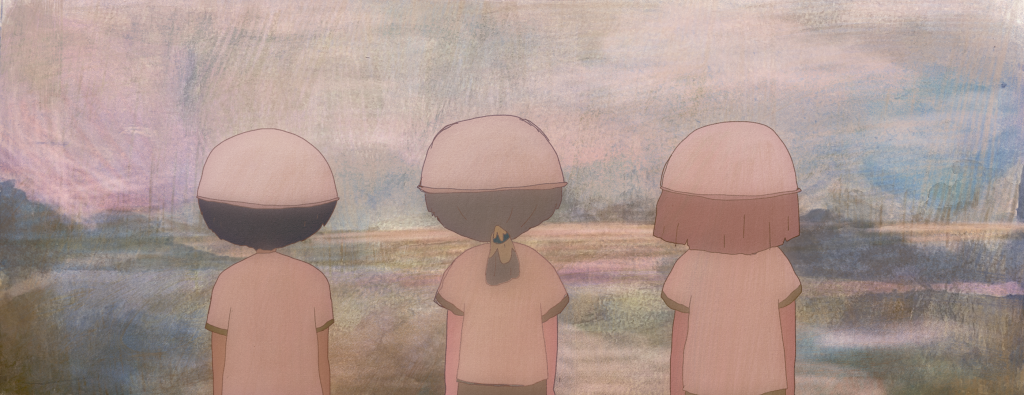
Mountain Mountain, a short film from Grace Cheu and Ben Tan, follows two young girls who ride a cable car up Mount Faber. As they continue their much anticipated ascent, they recall their personal stories. What starts off as an innocuous journey into Singapore’s pastures becomes a sombre piece on the uncertainties of childhood and future in the country’s landscapes. 


These opposing extremes are imbued into the film’s animations. The hand drawn, uneven, erratic textures add a sense of surrealism to the film, acting as a ricochet between various childhood memories.
Mountain Mountain lacks a chronological structure, utilising Kishokentetsu, a form of non-linear storytelling. Originating in East-Asia, Kishokentetsu disregards the familiar three-act structure or Campbell’s renowned “Hero’s Journey” narrative in place of a four-act structure: beginning with the introduction (ki), then the development (sho), which is then followed by an unexpected twist (ten) which reframes the prior two acts, and ending with the conclusion which presents a new understanding of the story elements (ketsu).


It echoes similar Japanese narratives, with Hayao Miyazaki’s
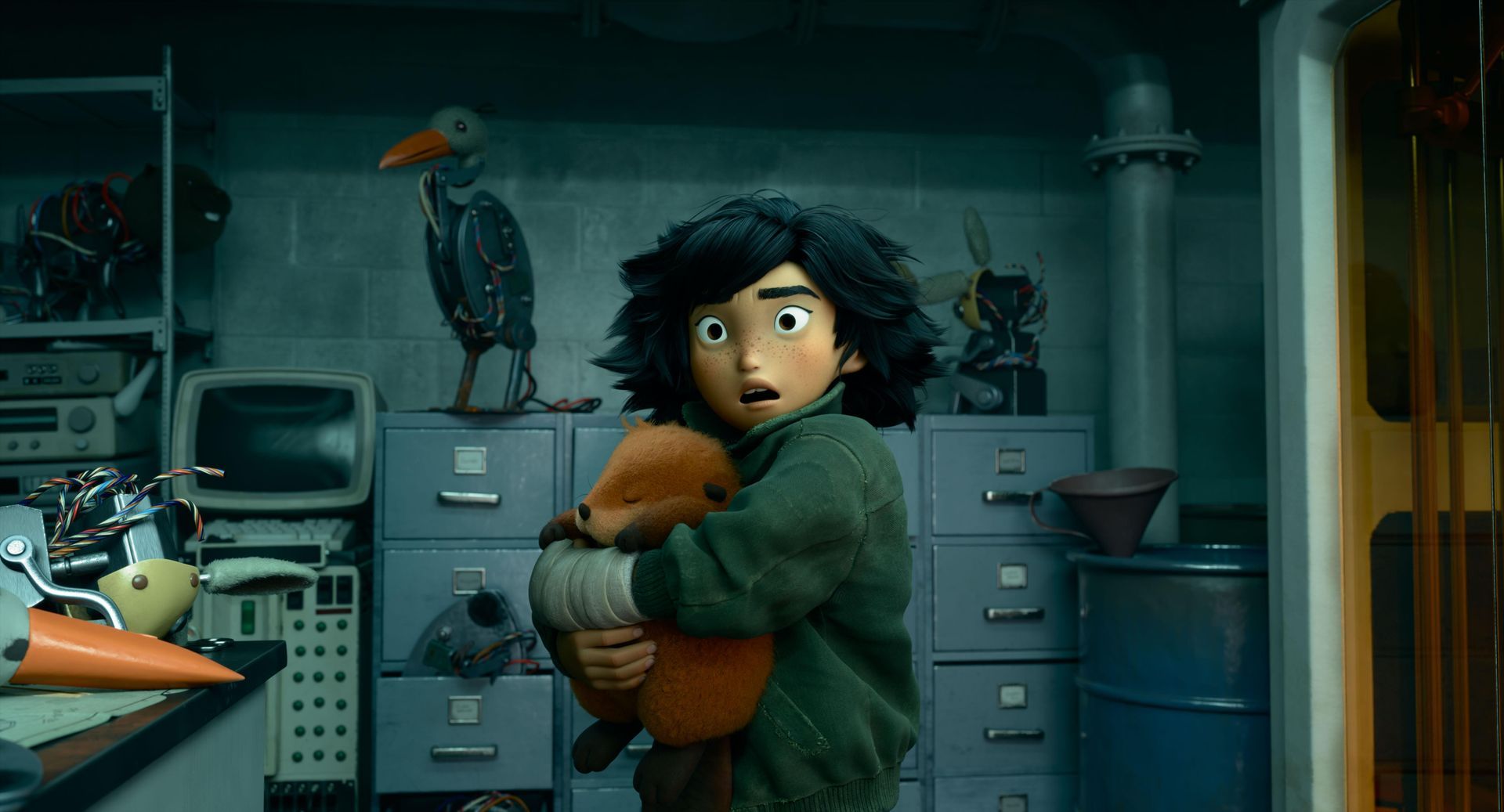
The Boy and The Heron coming to mind. In The Boy and The Heron, the dream world becomes the subconscious of a young boy attempting to reconcile with his mother’s death in a struggling post-war Japan. Similarly, Mountain Mountain follows the experience of the two children as they piece together how their formative years shape their subconscious emotions. References to schooling experiences are presented, invoking a bittersweet nostalgia. 



In The Boy and The Heron, the ten — or twist — comes with its reframing of the magical realm from a series of surreal lamentations to a collection of fading and forgotten stories, presenting childhood as an incomprehensible set of fading memories we are bound to forget. In a similar realm of childhood, Mountain Mountain comes with the realisation of the incompleteness of their journey. Their excited anticipation to ascend through Mount Faber is replaced with a sobering reality. “Because Singapore has no mountains,” one of the girls bemoans, beginning to tear up. Childhood here is not grounded as romantic nostalgia, but as a series of events that we continuously try to make sense of, shaping our pursuit of meaning. In Singapore, growing up manifests into a sense of restlessness in the desire to overachieve. It’s a heartbreaking representation of the neverending pursuit of triumph, of some elusive peak that we strive to latch onto in our society. 


It’s fitting that the film was the bookend title for SYFF’s Programme 2: “Can You Hear Me?” A collection of stories longing to be heard and a yearning for connection. The vast lands stretch endlessly, as we try to reckon with the pursuit and that pervading sense of loneliness in a cold world. 


Our childhood is a mosaic of eclectic thoughts and feelings. To reconcile with the irrational subconscious and emotions is definitely an emotional experience, especially since the strive for the mountains is imbued into us. However, Mountain Mountain reminds us that we are not alone in that experience. 


---------------------


About the author:  Kyle is an aspiring creator and artist who is currently majoring in Communications. He’s always curious about different forms of art and is interested in unpacking the psychology and the intricate, vulnerable emotions behind creations. When he’s not in the cinema, he’s probably discovering a new album to listen to, reading, writing or obsessing over a random hyperfixation for the month. 


This review is published as part of *SCAPE’s Film Critics Lab: A Writing Mentorship Programme, with support from Singapore Film Society.


Recent Posts

By Lixin Foo June 23, 2026
Interview with The Creators Behind ‘Mountain Mountain’ By Lixin Foo 
By Yu Jing Lim June 23, 2026
Are We Finally Back?: Backrooms, Obsession, Theatre-going, and the State of the Industry
By Chinmaya June 18, 2026
The Beast in the Woods 
By Elena Goh June 12, 2026
Commentary: Fiction and Vulnerability in Drive My Car (2021) [SPOILER ALERT] This review contains spoilers for the film Drive My Car (2021). 
By Yong Xiang June 9, 2026
City of Small Blessings (2024) “A Certain Degree of Impermanence”: An Interview with Filmmaker Wong Chen-Hsi
By Lixin Foo June 9, 2026
Primavera (2025) dir. Damiano Michieletto Operatic stage director Damiano Michieletto’s staunchly feminist portrait of a violinist and her mentor is a virtuosic feature film debut.
By Yiheng May 29, 2026
The Riskless Joyride of Marty Supreme
By Jun Sen May 22, 2026
Ikiru - To Live Or Not To Live? A narrative analysis by Jun Sen of Akira Kurosawa’s Ikiru (1952) – what it means to truly live.
By Jun Sen May 14, 2026
In Conversation with Seth Cheong An interview with Seth Cheong on his unconventional filmmaking journey and process, hailing from a non-film school background.
Show More