Film Review #189: Withered Blossoms
Withered Blossoms 花开花谢 (huā kāi huā xìe), a short film written and directed by Lionel Seah, invites its viewers to reflect on love, loss, and the passage of time from the get-go. The Mandarin title, literally translated as “flowers bloom and flowers wither”, evokes the life cycle of flowers, a metaphor that resonates throughout the film’s portrayal of the relationship between a young woman (Stella Ye) and her ageing grandmother (Rachel Young). In its intimate moments and subtle performances, Withered Blossoms draws attention to the impermanence of life and the fleeting nature of human connection, reminding us that in beauty, there is loss, and in loss, a fragile but deeper grace.
The film unfolds over the course of a single day shared between the protagonist and her grandmother, opening with the protagonist on the phone with her ex-partner Alex. The exchange is brief and awkward, and it is immediately apparent that this chapter of her life has ended. However, when she arrives at her grandmother’s house and helps her get ready to leave, she is asked about Alex, and lies, claiming they are still together. Beyond avoidance, this lie reflects for the first time in the film her understanding that her time with her grandmother is limited, as here, the truth would only serve to burden someone already nearing the end of her life.
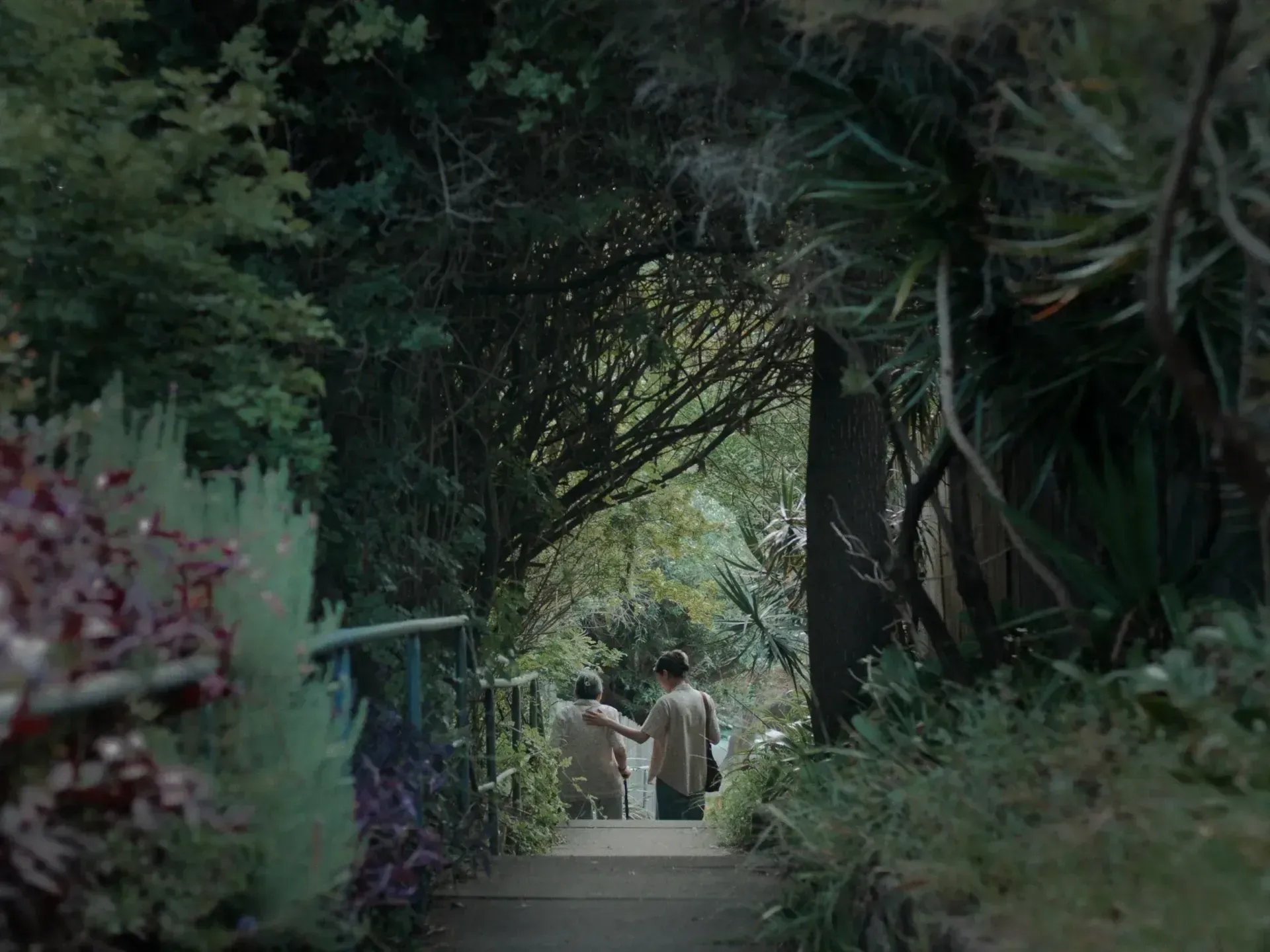
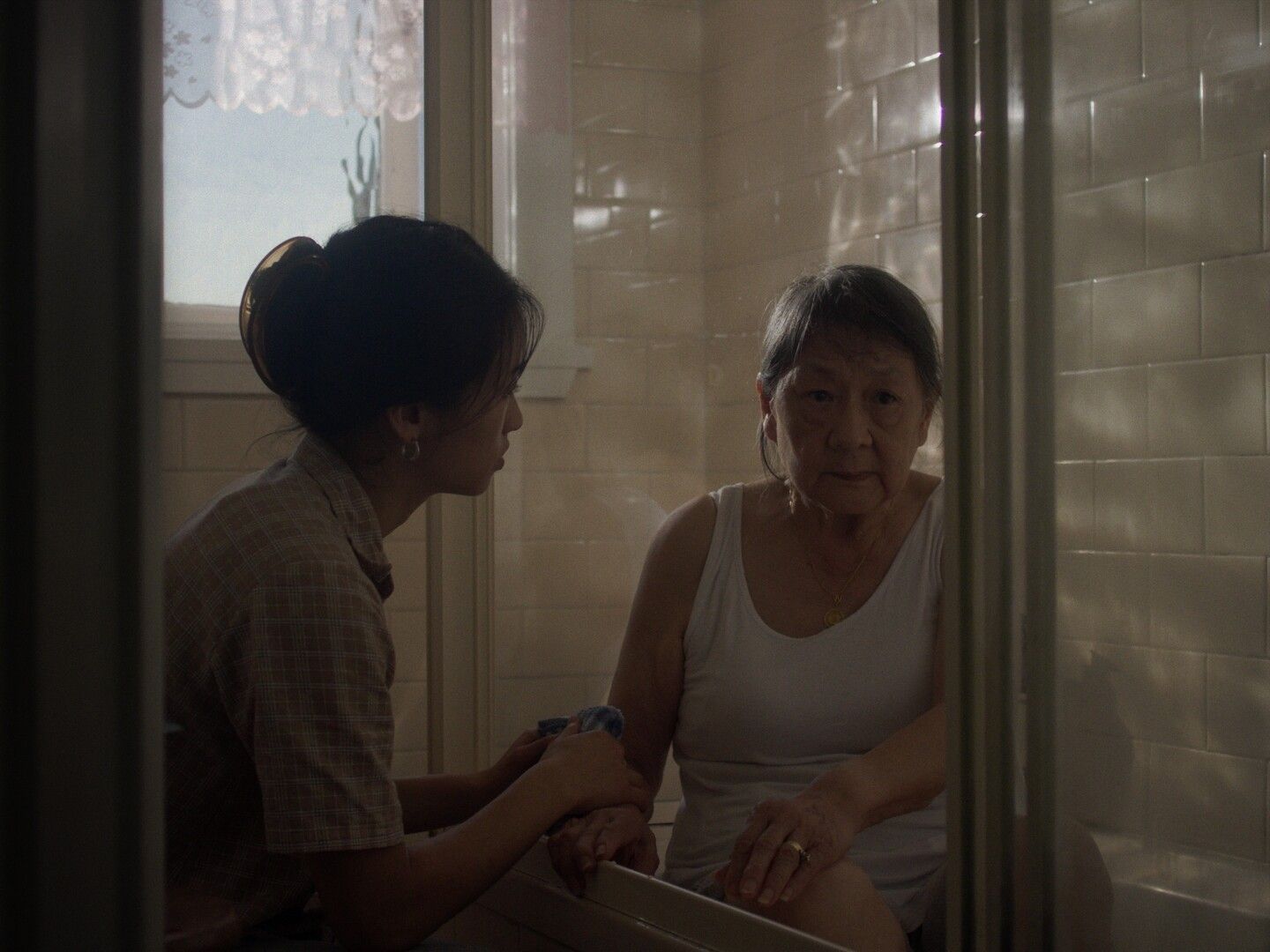
Throughout the film, as we follow the pair from home to the park and back again, they engage in gentle yet meaningful conversation, allowing viewers to gradually grasp the depth of their relationship. In a scene that quietly marks a reversal of roles, the protagonist helps her grandmother to a shower, during which the grandmother remarks on the transience of time. It is here that the film most explicitly raises the idea of life fading away, not through dramatic emphasis, but the inevitability of time.
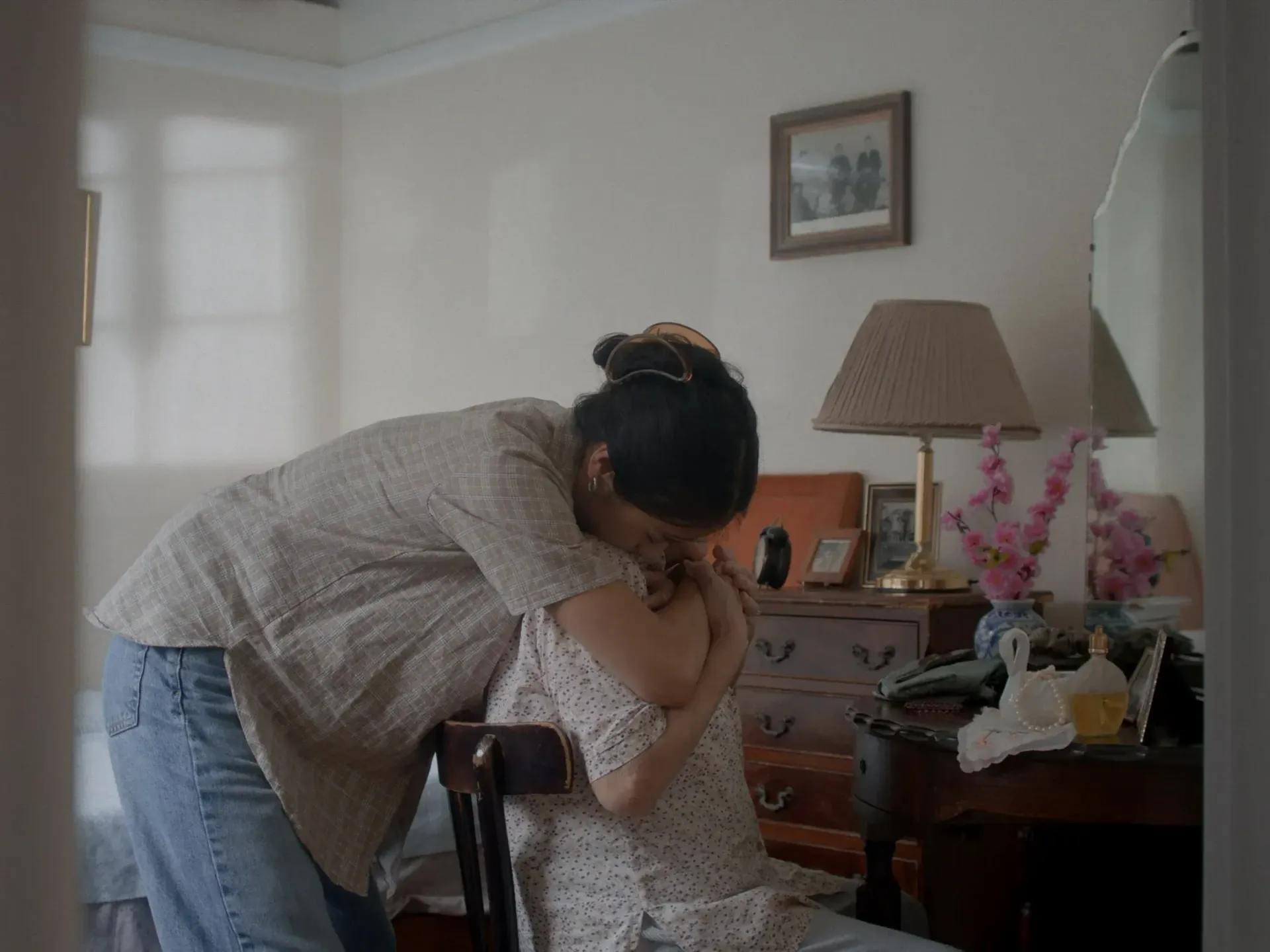
Following the bath, their conversation deepens further, giving new weight to the grandmother’s persistent questions about the protagonist’s personal life. We see them come to a shared emotional understanding that is very much rooted in care, vulnerability, and unspoken fears about what lies ahead. In an especially tender moment, the protagonist rests her head on her grandmother’s lap, a scene that parallels a similar exchange in Edward Yang’s
Yi Yi. Indeed, Seah’s short film closely mirrors Yang’s observational, slice-of-life approach, sketching an intimate portrait of everyday life that leaves space for emotional truths to surface organically. The film finally concludes on a striking visual contrast that encapsulates these concerns, leaving viewers with a lingering meditation on love, separation, and the passage of time.
Ultimately, Withered Blossoms reminds us that our time in this world is temporary and uncertain, with death being the only certainty. Yet, death is not presented as solely devastating. To grieve someone, to be left behind with memories of love and care, is perhaps where loss becomes inseparable from beauty. In its final image, the film offers us a quiet reassurance. Even as we continue living and breathing, carrying on despite loss and suffering, our loved ones remain with us, watching over us as we move forward. Fragile and impermanent as it is, life persists. Still, somehow, moving.
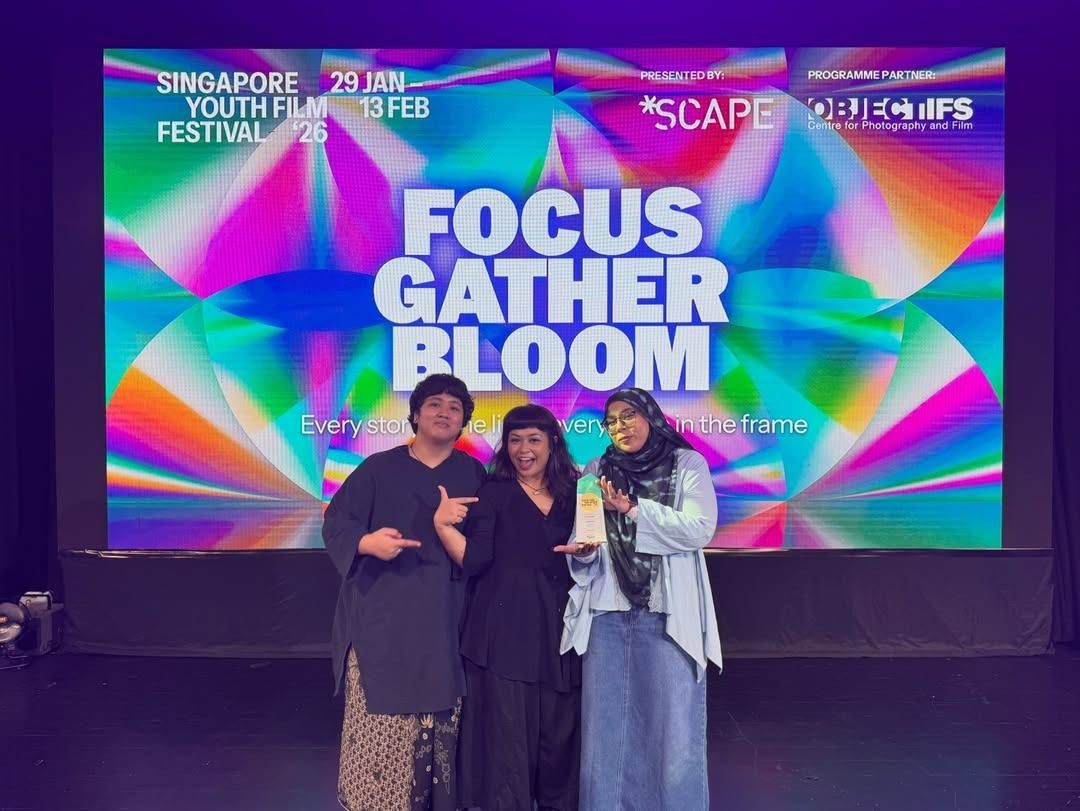
Withered Blossoms will be screened at School of the Arts on 1 February as part of this year’s Singapore Youth Film Festival.
---------------------
About the author: Jing’s morning ritual includes refreshing Letterboxd and catching up with all the latest reviews. When not glued to the big screen, you can find them reading, discussing football (visca el barça), or living in perpetual fear of their ever-growing watchlist. Jing is always excited to meet and connect with fellow film lovers, and can be found on Instagram at @_j.img_ or on Letterboxd at jingsters.
This review is published as part of *SCAPE’s Film Critics Lab: A Writing Mentorship Programme, with support from Singapore Film Society.