Film Review #188: Bugonia
It begins, as it ends, with the quiet hum of bees.
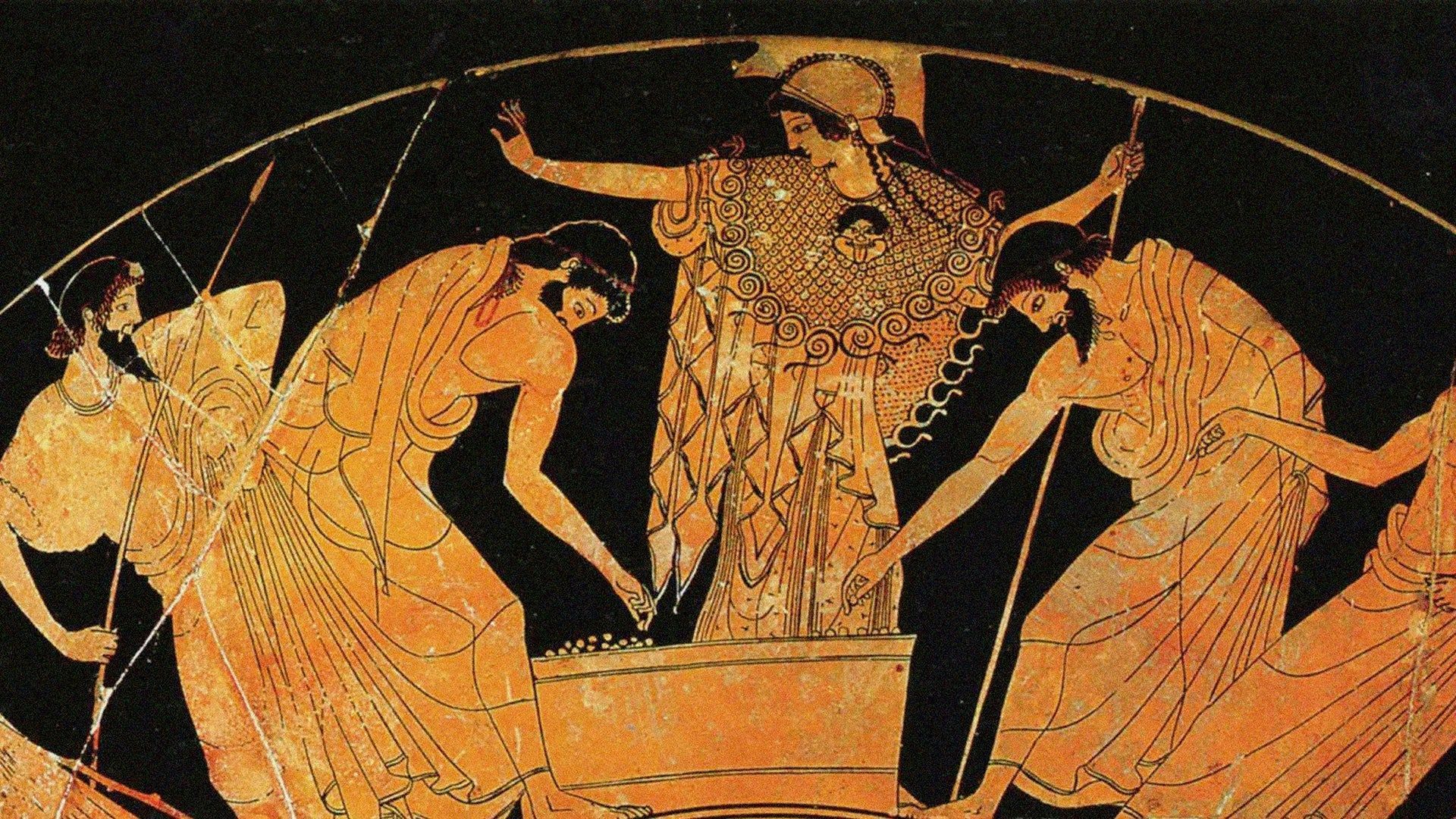
The title Bugonia refers to an ancient Greek belief that bees could spontaneously emerge from the rotting carcass of an ox; a ritualistic fantasy of death giving way to renewal. It’s an idea steeped in superstition and false hope, and a fitting premise for Yorgos Lanthimos’ latest film. Bugonia is filled with Lanthimos’ recognisable traits: strange, unsettling, and absurd, with a postmodern cynicism that quietly fills every frame. Yet it also stands out as one of his more narratively accessible works, with a clearer and more conventional structure; an accessibility that sharpens his exploration of control and paranoia.
Compared to Lanthimos' previous project, the deliberately fractured Kinds of Kindness, Bugonia feels almost inviting at first. The humour lands cleanly, the narrative logic is easier to follow, and the film initially presents itself with an unusual sense of clarity for a Lanthimos film. It follows two conspiracy-obsessed men, Teddy (Jesse Plemons) and his cousin Don (Aidan Delbis), who kidnap Michelle (Emma Stone), a pharmaceutical CEO they believe is an alien bent on destroying Earth. However, slowly and deliberately, the film tightens, replacing amusement with discomfort and clarity with dread.
Emma Stone and Jesse Plemons anchor the film as its central forces. Stone’s performance is finely calibrated. She feels controlled to the point of artificiality, as though every emotion has been rehearsed. Even as a captive, she exerts a quiet power. Plemons, on the other hand, uses his awkwardness as a weapon. His restrained delivery and deadpan humour carry a quiet threat that lingers long after he exits the frame. Together, their performances embody the recurring ideas of this film; that in modern systems, people don’t just live, they perform.

Visually, Bugonia is meticulously controlled. Even before a character opens their mouth, the space around them is already saying something. Characters are often framed at a distance with gorgeous wides, having their bodies dwarfed by architecture or swallowed by rigidly ordered spaces. Individuals are rendered less as emotional centres and more as components within a larger mechanism. This visual language mirrors the film’s thematic fixation on hierarchy and obedience. Like bees within a hive, these characters move with purpose but without agency, their individuality eroded by the systems they serve. The composition of these images are precise, and it is that precision that contributes to the unsettling atmosphere of the film.
Structurally, Bugonia is relentlessly cyclical. There is no true resolution, only repetition. The bees return as a governing metaphor: labour without reflection, obedience without awareness, repetition mistaken for purpose. The film shows that nothing is truly learned, only repeated. Paranoia grows again, power asserts itself, and violence changes form rather than disappearing. Any promise of rebirth is illusory. Perhaps we’re all chained to this futile, cyclical doom.
It begins, as it ends, with the quiet hum of bees.
---------------------
About the author: Chinmaya’s personality runs on cinema, from bingeing films to dissecting every frame. Posting reviews on Letterboxd and Instagram as TheFilmBoi, he’s happiest talking movies all day long. Engineer by trade, filmmaker by passion, he believes life’s better with a little Nolan mind-bend, and a story that keeps you guessing.
This review is published as part of *SCAPE’s Film Critics Lab: A Writing Mentorship Programme, with support from Singapore Film Society.