Film Review #185: Once We Were Us

Rachel Xia • January 17, 2026

Is the Person You Once Loved Still by Your Side?

那个曾经深爱的人还在你身边吗?

A reflection on Once We Were Us 观《Once We Were Us》有感

*This film review may contain plot spoilers, reader discretion is advised.*

*本篇影评含雷,请斟酌阅读。*


After watching Once We Were Us, directed by Kim Do-young, the question that lingered in my mind was not, “What if …?” Instead, it was something far more grounded and unsettling: Have we learned how to love well, and just as importantly, how to part well?


I will not revisit the plot here. The film is a Korean adaptation of Us and Them, directed by Rene Liu Ruoying in 2018.


An Unconventional Sense of Time

Black and white, color, and what memory chooses to keep


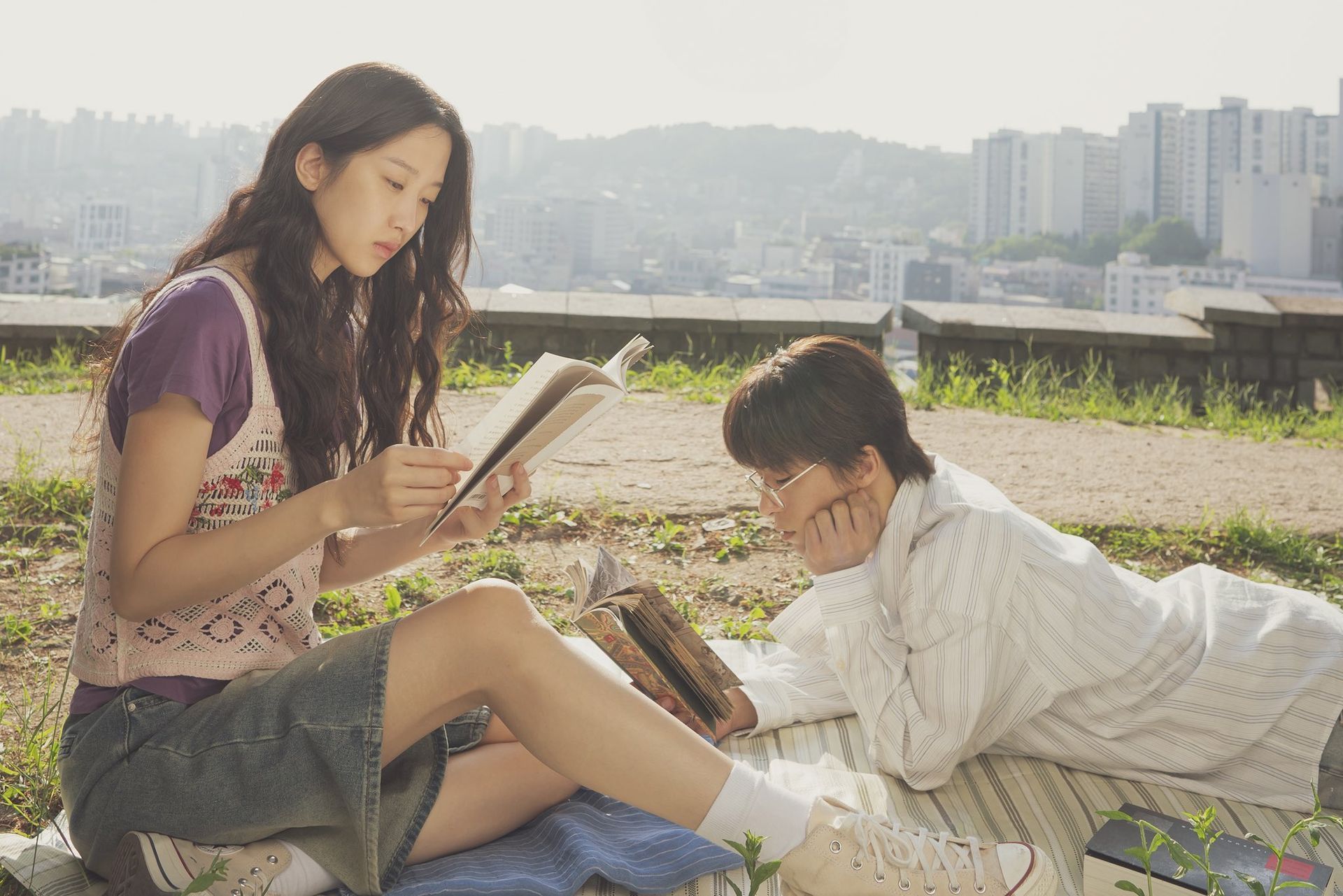
Once We Were Us continues a visual strategy that is rare yet remarkably effective.

The past is rendered in color, while the present unfolds in black and white.


This choice runs against visual convention. Traditionally, black and white signifies the past, while color belongs to the present. Here, the logic is reversed. This approach closely mirrors the creative judgment in Us and Them. Both films reserve their richest emotional warmth for what has already been lost.


Only toward the end does the present return to color. This shift does not signal the rekindling of love. Rather, it feels like a moment of clarity, a quiet acceptance, an ability to finally face the present as it is.

A Father, Death, and a Letter

A moment beyond romance, yet deeply human


The father’s presence in the relationship between the two protagonists, culminating in his death and the letter revealed near the film’s end, became for me the most unavoidable emotional moment.


This is not a narrative twist, but a sudden weight of reality pressing in. At that point, the film moves beyond youthful love. It speaks through the voice of those who have lived longer, who understand love, regret, and the permanence of what cannot be undone. It is an attempt to pass on a quiet lesson, that one must learn how to continue living well, even after loss.


The Bus Scene

When restraint hurts more than tears


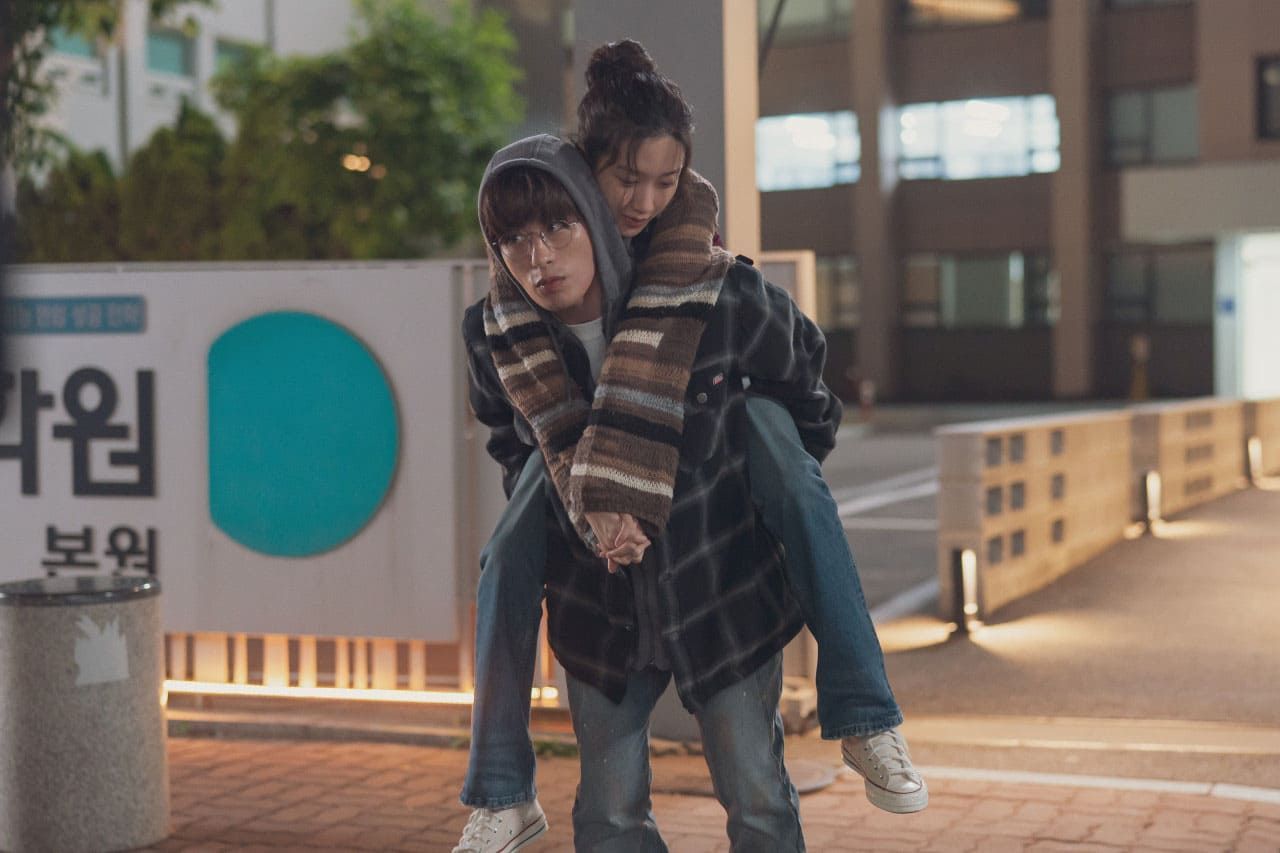
In an interview, actress Mun Ka-young spoke about the crying scene on the bus. The director gave her only one instruction: “Do what feels right.” She chose to hold back rather than cry beautifully. In public spaces, we instinctively restrain ourselves, and it is precisely this restraint that sharpens grief.


What moved me in that moment was not only the fracture of a romantic bond, but the solitude of a person bearing the weight of life alone in a city. It is a feeling that almost anyone living in an urban environment will recognize at some point.


Between 2018 and 2025

Two films, one lingering question


I remember that after Us and Them was released in 2018, Rene Liu Ruoying once summarized her understanding of relationships with a simple yet devastating line: “Fate is already kind if you do not fail the other person. Not failing an entire lifetime is nearly impossible.”


That line feels equally at home in Once We Were Us. It echoes my strongest feeling after watching the film. Neither story treats “what if we had not separated” as a romantic fantasy. Instead, the unanswered question is allowed to remain suspended in time. Both films strip away the illusion of destiny and the romanticization of regret. What remains is the slow, inevitable drifting apart under the pressure of time, space, and the structures of everyday life.


As the repeated line in the film suggests, “If only we had not…”This is not a question directed at the future, but a confirmation of the past. A recognition that the love was real, and that it has truly ended.


For me, placing these two films side by side across seven years is not about comparison. It is about seeing the same question revisited through different cultures and creative voices.

Not all love leads to a lasting outcome, but every love deserves to be taken seriously, understood, and gently laid to rest. Perhaps when we are finally able to look back at a relationship in this way, we have truly arrived at what comes after.
看完韩国导演金度英执导的《Once We Were Us》,在我脑海中反复提出的问题,其实并不是“如果当初我们……”而是一个更为现实的问题:我们有没有学会,好好地爱,也好好地分开。


在此,影片的故事梗概不再赘述。它改编自2018年刘若英执导的《后来的我们》。


一种“反常规”的时间表达

黑白与彩色,并不只是怀旧滤镜


影片《Once We Were Us》延续了一个并不常见、却非常有效的影像策略——回忆是彩色的,现实是黑白的。


这种处理在视觉逻辑上是“反常规”的:通常,黑白意味着过去,彩色意味着现在;而在这里,恰恰相反。这一点,与刘若英版本的《后来的我们》 有着高度一致的创作判断。两部作品都把情感最饱满、最有温度的时刻,留给了“已经失去的时间”。直到影片最后,现实世界重新回到彩色。那并不是重燃爱情的象征,而更像是一种终于能够直视当下、接受现实之后的清明。  


被时代与空间结构拉扯的爱情

属于韩国当代生活的浪漫细节


如果说《后来的我们》更多聚焦的是在城市中打拼的爱情如何被现实消磨,那么韩版《Once We Were Us》也明确地,把目光投向了一个问题:当两个人已经无法再一起走下去,我们有没有能力,好好告别。这里的“现实”,不仅仅是经济、职业或选择,更是一种被时代节奏与城市空间不断拉扯的生存状态。影片中关于情侣相处的诸多细节,非常自然地嵌入了当代韩国年轻人的生活方式,既不刻意,也不悬浮。


影片并不急于制造戏剧冲突,它反而用大量日常、平静、甚至略显克制的片段,让观众在角色上看见自己与伴侣的影子,从而反观现实。它不断提醒观众:两个人能否能够相伴终身,本身就是一件极其困难的事。若要在各自合适的时间,遇见合适的人,更难。


父亲、死亡,与一封信 

那是爱情之外,却直击人心的时刻


父亲在男女主人公关系中的存在,直到他的去世,以及影片最后那封写给女主人公的信,成为我个人观影过程中最无法回避的泪点。这不是情节意义上的“反转”,而是一种突然袭来的现实重量。在那一刻,影片所谈论的,已不只是年轻人的爱情,而是长辈作为“过来人”所体会过的爱、遗憾与无法挽回的现实。他们也试图让晚辈明白一件事:要学会在失去之后,继续好好生活。


关于那场“巴士哭戏”

不哭得漂亮,反而更痛


此前在一篇访谈中,女演员文佳煐提到,那场巴士上的哭戏,导演只给了她一句指令:“做你觉得对的反应。”她选择收住情绪,而不是哭得漂亮。在公共空间里,我们往往会本能地克制自己,而正是这种克制,让悲伤变得更加锋利。


那一刻真正触动我的,不只是爱情的断裂,而是一个人在城市里,确实会有将所有独自承受过的痛苦迸发而出的那个时刻,孤独、无助、挫败与不被理解……那是一种,几乎每个生活在城市里的人,都能与之共振的情绪。


2018年与2025年的两部电影之间


我记得2018年《后来的我们》上映后,在一次导演访谈中,刘若英用一句极其朴素却残酷的话,总结了她对感情的理解:“缘分这事,能不负对方就好,想不负此生,真的很难。”这句话放在2025年《Once We Were Us》里,几乎可以直接作为注脚。也是让我在看完电影后特别深的体会。影片都没有把“如果当初我们没有分开”当成最终幻想,而是让那句悬而未决的提问,停留在时间之中。它减少了“命运感”与“遗憾的浪漫化”,转而让人物在时代节奏、城市空间与生活结构的挤压中,一步步走向分离。


正如影片中那句被反复引用的对白:“如果当时……”,这并不是对未来的追问,而是对过去的一次确认——确认那段感情真实存在过,也确实已经结束。


对我来说,七年的时间,两部电影,再放到一起观看,不是为了比较高下,更像是在不同年代、不同文化、不同创作者的视角中,看见同一个命题能够被反复触碰:不是所有爱都会有结果,但所有爱,都值得被认真对待、被理解、被安放。或许,当我们能够这样回看一段关系的时候,才是真的走到了“后来”。


---------------------


About the author: Rachel Xia is a film director from China who’s been in love with art since childhood. Turning that passion into a career? Pure joy. But where she really has fun is with sharing films and the emotions they bring. She respects every creator’s voice—it's the mix of different perspectives that makes life colorful.


Once We Were Us opens in Golden Village and Shaw cinemas on 22 January 2026.

BLOG

By Jing January 17, 2026
Seeing from a Distance: Modern Life through Edward Yang’s Lens in Yi Yi
By Han Yiheng January 16, 2026
Commentary: Agnès Varda’s Lessons in Humility
By Jun Sen January 15, 2026
Covert Operations, the Liberation of Truth and the Need to Remember – The Universal Rebellion  Seen in The Secret Agent
By Stephanie December 31, 2025
Feeling Death: Review of Kiarostami’s Taste of Cherry (1997)
By Ivan Chin December 31, 2025
Film Review #182: YI YI
By Jing December 16, 2025
The Music of Memory: Form, Intimacy, and Musicality in Joachim Trier’s Sentimental Value
By Jarrett Yang December 16, 2025
SGIFF Film Review - Amoeba (2025) 
By Ivan Chin December 16, 2025
Film Review #179: RESURRECTION
By Deepagcharan Chandran October 6, 2025
JAPANESE FILM FESTIVAL 2025 Intentional and Instinctual: An Interview with Director Kazuhiro Soda
By Pan Wenbo August 12, 2025
香港邪典电影《红鬼仔》《蜈蚣咒》影评 Black Magic Horror Double Bill (Chinese Review)
More Posts