
Film Review #30: WRITING WITH FIRE

Elisabeth • April 5, 2023


Film Review #30: WRITING WITH FIRE


*This film review may contain plot spoilers, reader discretion is advised.*

“When this country was changing, where were you?” Meera, co-founder of Khabar Lahariya has a clear cut answer for that. They were holding a mirror to India’s society, holding politicians and authorities accountable to the promises they made in a bid to win votes. In a country where it is getting more difficult to be a journalist, let alone a woman and from a low caste, Khabar Lahariya retains their dignity, writing with a fire from within.


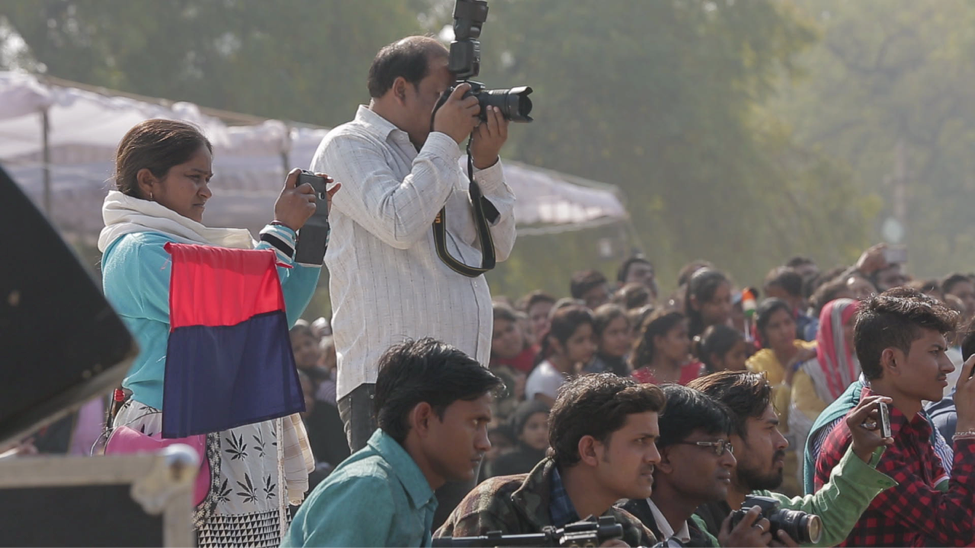
Writing with Fire, a debut feature by Rintu Thomas and Sushmit Ghosh that took five years to make, is a powerful and inspiring documentary on India’s women-run, Dalit (lowest Hindu caste) journalist outfit, Khabar Lahariya. Despite all the despair, corruption, religious fanaticism, sneers and jeers, Khabar Lahariya is a light in the darkness. They elbow their way into the middle of the crowd, asking the questions no one else dares to.

 Film still from Writing With Fire


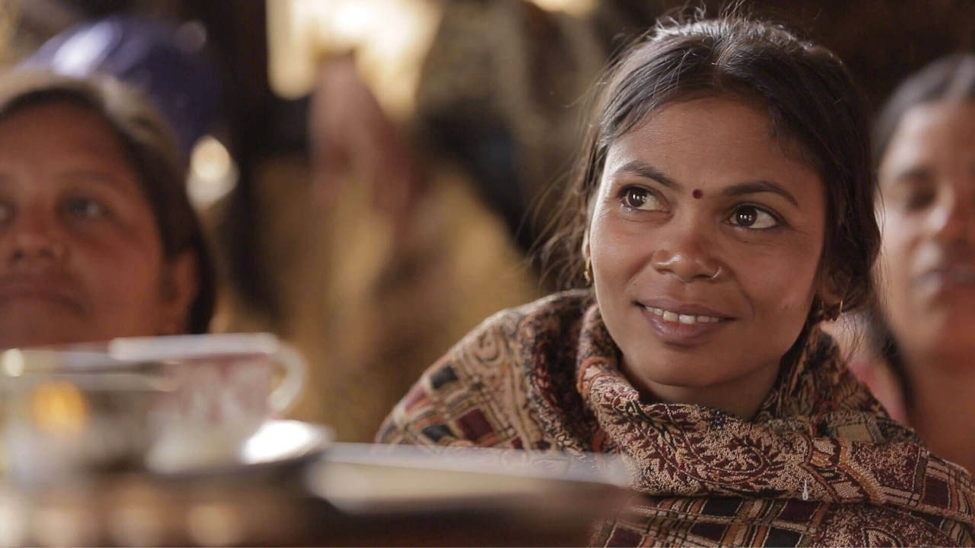
The film is centered around three heroines of Khabar Lahariya - co-founder Meera Devi, fiery Suneeta Prajapati, and soft-spoken Shyamkali Devi. These three women very quickly endear themselves to us - Meera, in her calm and steady stewardship of the team through the paper’s digitisation and a contentious election cycle, Suneeta in her fearless pursuit of the truth of a mining town that tries to intimidate and discredit, and Shyamkali with her doggedness to improve herself as a journalist.

 Film still from Writing With Fire


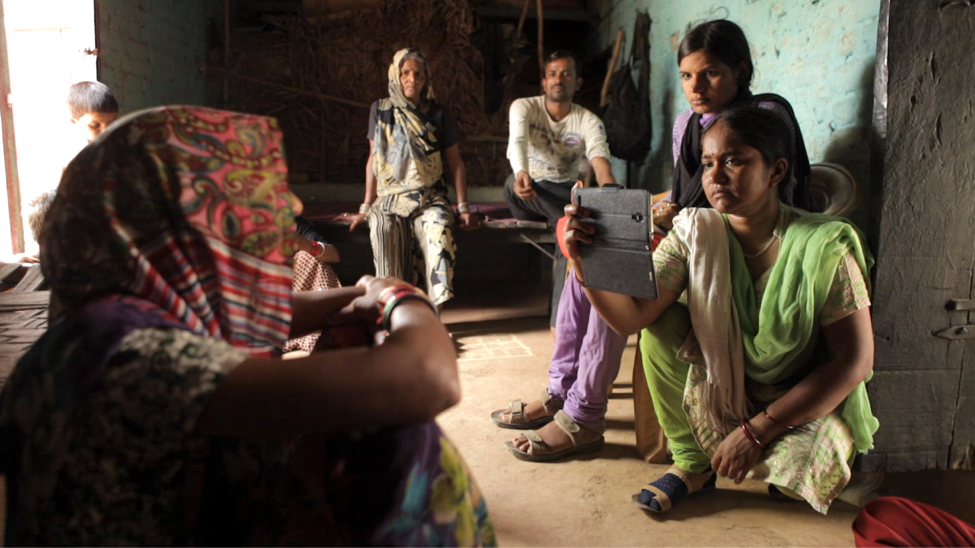
The women of Khabar Lahariya are as compassionate as they are courageous, which is to say, a lot. They grow up under the patriarchy and a discriminatory caste system, and yet they choose to see, listen, comfort and challenge, none of which they were afforded in their own homes. Their lived-in perspectives show in their signs of empathy, and it is this that separates them from their distanced, city counterparts. It’s how Meera insists on taking off her sandals before entering a Dalit family home on the outskirts of a casteist village, leaving the owner visibly shaken by her show of respect. It’s how Shyamkali consoles a grieving father before switching to press mode, and how Suneeta’s first instinct is to speak to a victim’s family, her sharp voice becoming tender.

 Film still from Writing With Fire


The emotional drain from sharing empathy, fending off micro and full-on aggressions, and despair takes its toll. The long days end with a train or rickshaw ride home, and you can see it weigh on their faces. Yet they get up the next day and continue to fight for the truth.


The film balances this heaviness with moments of joy. There’s a snowball fight intermission during Khabar Lahariya’s retreat in Kashmir. We see a beaming Suneetra on a Sri Lankan beach as she becomes Khabar Lahariya’s first international representative. One of my favourite moments was Meera doing an introduction for the ‘Kavita’ show - a news segment by the other co-founder and her childhood friend. The nervousness, excitement and banter is all so relatable, and it’s one of those moments where you get to see Meera without the other hats that she puts on.


Both Thomas and Ghosh have a tricky role to play as they follow the story of those who follow stories, they run the risk of being overly dramatised or voyueristic. While recent developments question whether this is truthful to Khabar Lahariya’s full story, a difficult feat in 92 minutes, I think Thomas and Ghosh have done an exemplar job of allowing us to see the lives of these women beyond the stories they cover. While the filming is very intimate, it is never intrusive. We rarely notice the filmmakers hand in this, a sign of the comfortable dialogue Khabar Lahariya have with each other and with the filmmaker.


The women of Khabar Lahariya are an exemplar for journalists who hold a mirror up to society, to hold them accountable, all while risking their lives to do their job, barging into rooms where they are not welcomed. In an interview between Meera and the filmmakers, Rintu talked about their angle for the film - “What do you feel when you look at these women? Do they give you hope?” It’s a resounding and thundering yes.


Writing with Fire is available to rent on Projector Plus.

——————————————————————————-


This review is published as part of *SCAPE’s Film Critics Lab: A Writing Mentorship Programme, organized by The Filmic Eye with support from Singapore Film Society and Sinema.


About the Author: When not reading letterboxd’ reviews or watching fan-made videos, Elisabeth talks about movies and tv shows on her podcast Critical Cliches.

BLOG

By Jing January 31, 2026
Film Review #189: Withered Blossoms
By Chinmaya January 28, 2026
Film Review #188: Bugonia
By Kaela Teh January 28, 2026
The Lost Youth and Digital Loneliness of All About Lily Chou-Chou
By Jing January 17, 2026
Seeing from a Distance: Modern Life through Edward Yang’s Lens in Yi Yi
By Rachel Xia January 17, 2026
Is the Person You Once Loved Still by Your Side? 那个曾经深爱的人还在你身边吗? A reflection on Once We Were Us 观《Once We Were Us》有感
By Han Yiheng January 16, 2026
Commentary: Agnès Varda’s Lessons in Humility
By Jun Sen January 15, 2026
Covert Operations, the Liberation of Truth and the Need to Remember – The Universal Rebellion  Seen in The Secret Agent
By Stephanie December 31, 2025
Feeling Death: Review of Kiarostami’s Taste of Cherry (1997)
By Ivan Chin December 31, 2025
Film Review #182: YI YI
By Jing December 16, 2025
The Music of Memory: Form, Intimacy, and Musicality in Joachim Trier’s Sentimental Value
More Posts