Film Review #184: The Secret Agent
Covert Operations, the Liberation of Truth and
the Need to Remember – The Universal Rebellion
Seen in
The Secret Agent
Disclaimer: This commentary contains spoilers for The Secret Agent.
Code words. Secrecy. Fractured memories. As I watched Kleber Mendonça Filho’sThe Secret Agent, I picked up a recurring and universal struggle – the fight to remember the truth under oppressive regimes.
The Secret Agent
is a righteously angry film that confronts the perils of dissent under authoritarian governments, while exposing the oppression political dissidents face when speaking truth to power.
Set against the backdrop of the Fifth Brazilian Republic in the 1970s,
The Secret Agent
depicts a society where freedom of expression is heavily censored, and acts of rebellion carry lethal consequences.
The Secret Agent
is rooted in historical fiction inspired by Brazil’s military dictatorship, and the film’s disjointed narrative reflects the chaos and messiness of that period.
Some people say that
The Secret Agent is a mess, but that is precisely the point.
The Secret Agent
features numerous symbolism and narrative elements, which serve as a metatextual narrative about how the Fifth Brazilian Republic distorts the truth regarding the disappearance of political dissidents and their legacies from existence. Kleber Mendonça Filho channels this brutal reality with a bizarre introduction to a non-chronological narrative at the midpoint of the film.
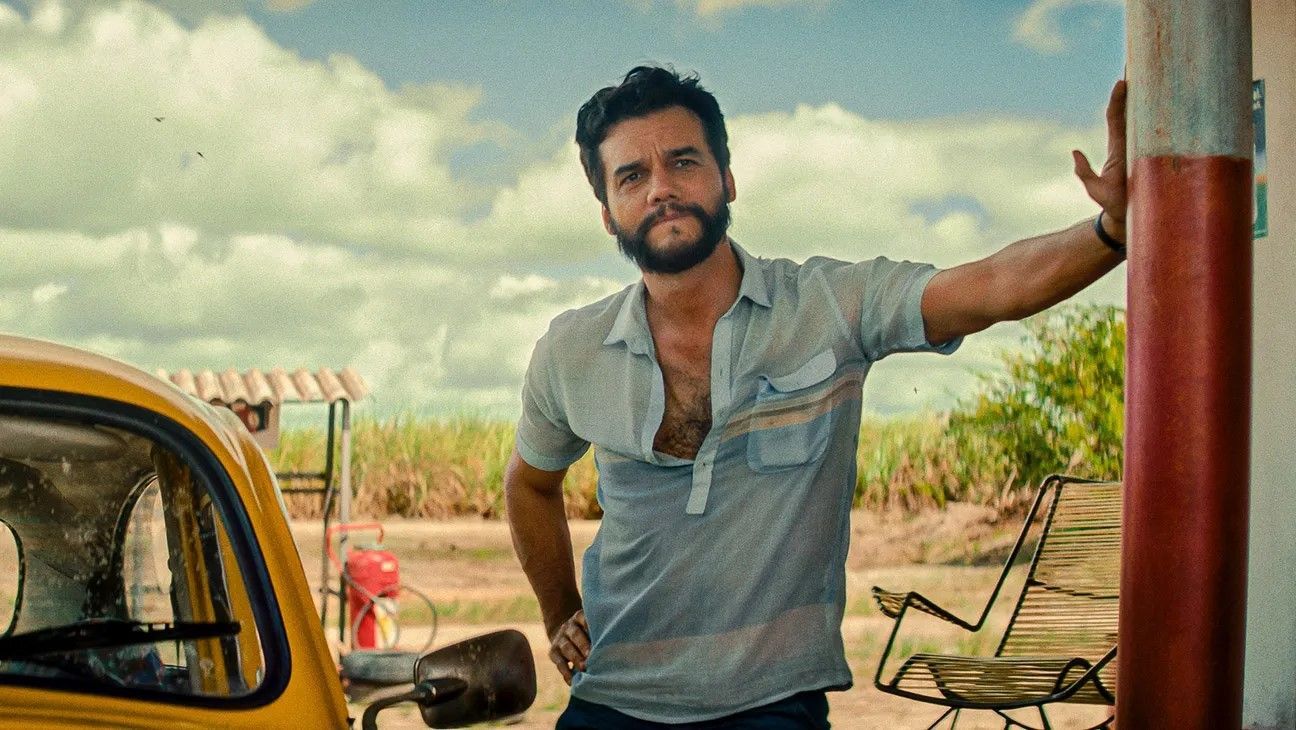
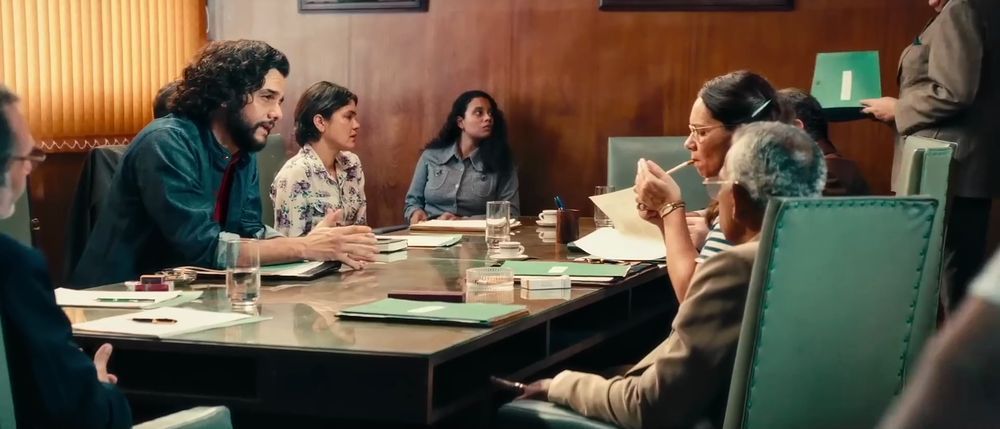
The film seemed to follow Armando’s (Wagner Moura) journey linearly, as he navigates a Recife plagued by political violence. However, the film abruptly cuts to a secondary plot set in the present day – two young female researchers digging for the truth behind his disappearance, buried deep in dated newspaper articles and obscure cassette recordings. These researchers do not know what Recife look and feel like in the 1970s, and their search for Marcelo leads them to a hospital where his son, Fernando (also played by Wagner Moura) works as a doctor in the present day. As a consequence of his memories becoming distorted by the military dictatorship, Fernando tragically does not remember his father.
The truth about Armando is that he is an ordinary professor forced into extraordinary circumstances. He is not a corrupt political dissident as he is made out to be by the government: he became the titular
Secret Agent
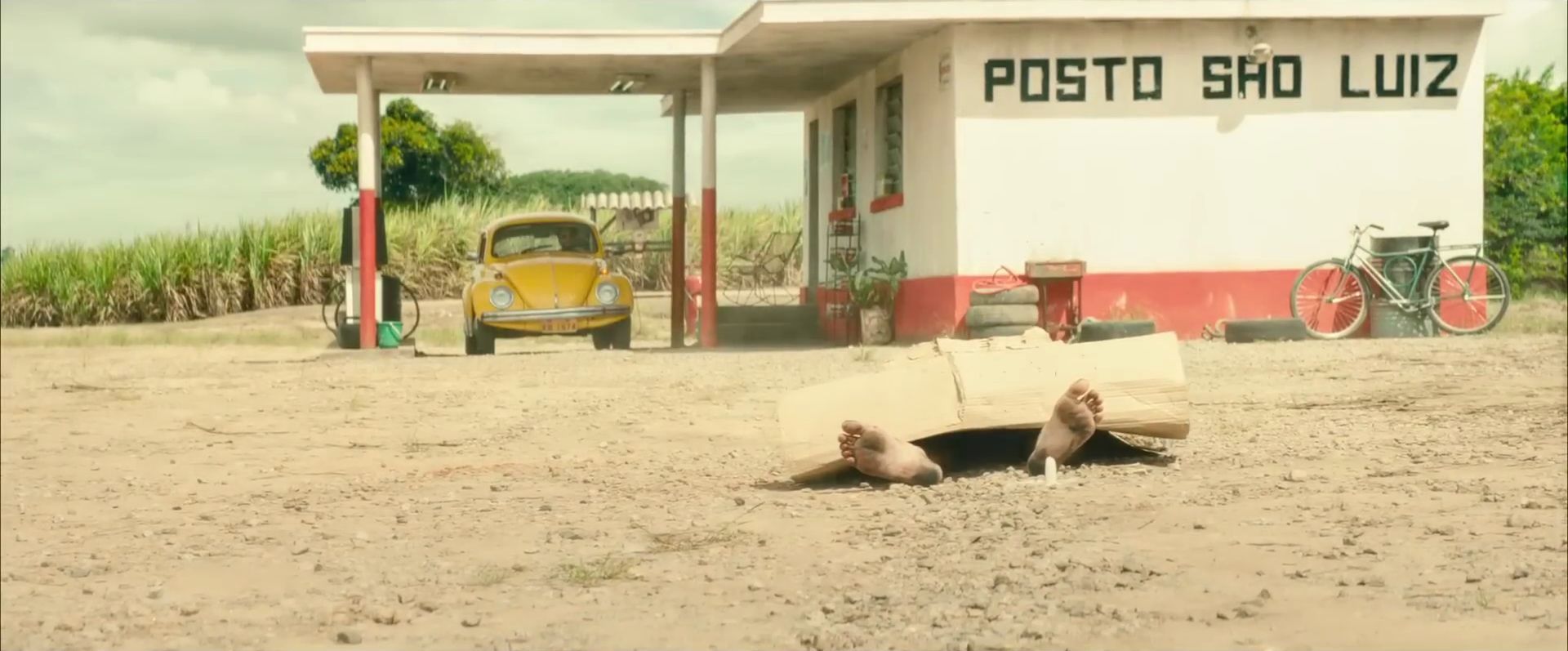
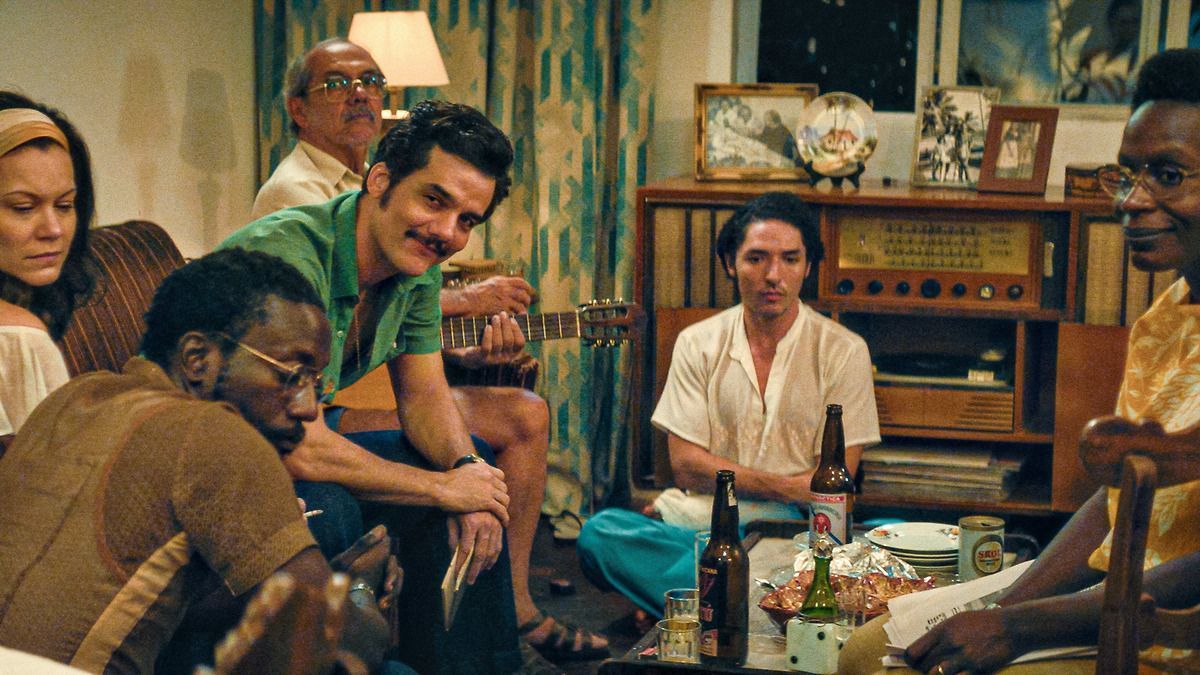
because he insists on his research on electric cars being publicly funded, going against the interests of Henrique Ghirotti (Luciano Chirolli), a corrupt businessman who holds key roles in a private corporation and a government institution that funds academic research in Brazilian universities. Henrique orders Armando’s death, sending hitmen in his way, setting the events of The Secret Agent into motion. Armando has to adopt the false identity of Marcelo, live with a group of political refugees under Dona Sebastiana (Tânia Maria), separate himself from living with Fernando for his safety, and work with Elza (Maria Fernanda Cândido) to flee Recife.
Fernando’s fractured memory of his father is the central tragedy of The Secret Agent – where oppressive powers violently steal the memories of political dissidents from their loved ones, leaving deep intergenerational scars. Many Brazilian political dissidents who died during the military dictatorship were kidnapped and killed, and their death certificates took decades to reach their loved ones, robbing them of the chance to even grieve properly. This disconnect between how the present-day citizens and historical dissidents experience Recife also is reflected in the aesthetics of how Kleber Mendonça Filho depicts the past and present – the warm, saturated colour grading and filmic texture of the 70s is contrasted with the look of a cold and clinical documentary shot on digital cameras in the present day, depicting a modern Recife that has lost its touch with its history.
In
The Secret Agent, historical facts also become distorted by myths. In a bid to evade censorship during the military dictatorship, journalists would invent the urban legend of the “Hairy Leg”, or the Perna Cabeluda, to report state-sponsored violence against the LGBTQ+ community. The film briefly transitions from its political thriller into the horror genre to pay tribute to this urban myth – depicting the Perna Cabeluda as a washed-up leg from a shark’s mouth, who arrives on a beach to attack cruising men at night.
The Secret Agent is a tribute to the preservation of truth in the midst of political turmoil, and that universal tragedy can be seen in many countries under authoritarian rule, even in the present day. If not for these historians, who will choose to remember the prisoners of the Holocaust? Who will choose to remember the brave protestors who chose defiance in the deadly 1989 Tiananmen massacre?
When authenticity is squashed by the crushing weight of gargantuan authoritarian regimes, The Secret Agent is one among many rebellious films that remind us of the promise that the truth will always prevail, and that documenting and preserving the truth is important for posterity, so that every Fernando out there will remember their father and how they came to be.
The Secret Agent arrives in local theatres, courtesy of Anticipate Pictures, in February 2026.
---------------------
About the author: Jun Sen (@itsginsengbutton on Instagram) is an emerging multidisciplinary designer and video editor who loves all forms of meaningful cinema, especially films that depict mortality and the fragility of human life. Outside of work, he can be seen streaming films on the commute, catching films at the cinema, and hanging out with like-minded cinephiles. He is currently pursuing a Bachelor of Arts in Communication at University at Buffalo.